Global Wind Day (June 15) celebrates one of the world's fastest-growing sources of electricity: wind power! For Texas, wind power is more than clean energy - it's a critical part of the state's energy system, helping power homes, businesses, and industries across the state. As electricity demand continues to grow, wind energy will remain an important tool for maintaining a reliable, affordable, and clean energy infrastructure.
What Is Wind Power?
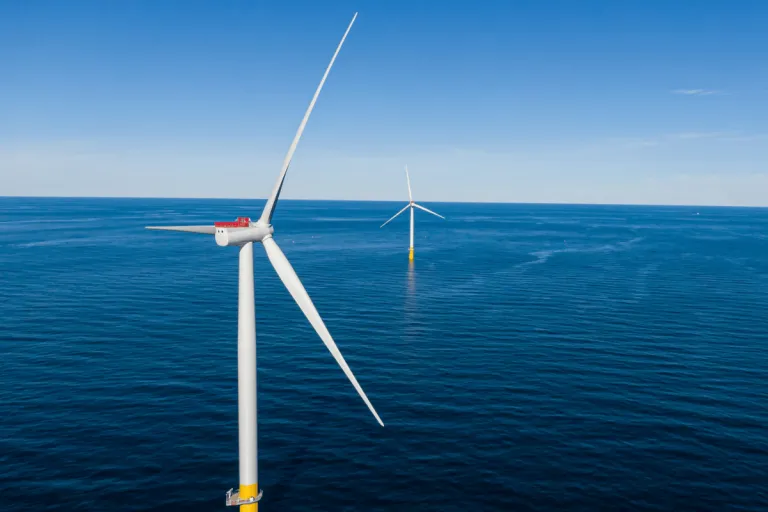
Wind power is electricity generated by wind turbines. As the wind turns a turbine's blades, the turbine spins a generator that produces electricity. Wind turbines can be located on land (onshore wind) or in coastal waters (offshore wind). The electricity they produce is delivered across the electric grid. Wind energy uses a renewable resource - the wind itself - and produces electricity without burning fuel. As a result, it can help reduce air pollution while providing large amounts of energy to the grid.
Texas Is Leading the Nation in Wind Energy
Texas is a national leader in wind power generation. Thousands of wind turbines across West Texas, South Texas, and the Panhandle supply electricity to the grid, helping meet the state's growing energy needs. Texas' strong wind resources, available land, and transmission infrastructure have made the state a hub for wind energy development.
Wind energy also helps lower electricity costs by adding additional power supply to the market. Because wind turbines do not require fuel, they can often generate electricity at a lower operating cost than traditional power plants. Studies have found that wind and solar energy have helped reduce electricity costs for Texas consumers by billions of dollars.
Why Wind Energy Matters for the Texas Grid
Texas continues to experience rapid population growth, business expansion, and increasing electricity demand. Wind energy helps support the grid by adding new sources of electricity generation, diversifying Texas' energy mix, supporting long-term energy affordability, and helping meet growing demand from homes, businesses, and industry. Energy experts consistently note that a diverse mix of resources - including wind, solar, natural gas, storage, and other technologies - helps strengthen grid reliability and resilience.
What Is Offshore Wind?
While most Texas wind turbines are located on land, offshore wind turbines are built in coastal waters. Offshore wind farms use larger turbines installed in ocean environments where winds are often stronger and more consistent. Electricity generated offshore is transmitted back to shore through underwater cables and connected to the grid.
Offshore wind is already a major source of electricity in Europe and is expanding in parts of the United States. In fact, the Texas Gulf Coast has significant offshore wind potential. Federal agencies have identified areas in the Gulf of Mexico that could support large-scale offshore wind development, and researchers have found that Gulf offshore wind resources could provide substantial amounts of electricity for Texas consumers.
Many of the skills used in offshore oil and gas operations are directly transferable to offshore wind development, creating opportunities for workers and businesses already operating along the Gulf Coast.
Climate change is dramatically changing bird habitats. Experts say bird-friendly offshore wind is possible. Birds need responsibly developed offshore wind energy that prioritizes their protection and their habitats. Hear from experts on how bird science and monitoring can help make it happen The National Wildlife Federation's short film shows how projects across the U.S. are being developed responsibly, with wildlife and habitats prioritized every step of the way.
How Offshore Wind Could Benefit the Texas Energy System
As Texas electricity demand grows, offshore wind could provide additional benefits to the state's energy portfolio.
More Electricity Generation
Offshore wind could add new generation capacity to help meet future energy demand. Assessments indicate Gulf wind energy areas have the potential to power millions of homes.
Energy Diversity
Adding offshore wind would further diversify Texas' energy resources, helping create a more balanced and resilient grid.
Economic Development
Offshore wind projects require manufacturing, construction, transportation, engineering, and maintenance services. These activities could support jobs and investment throughout the Gulf Coast. Texas already leads the nation in wind energy and has a well-trained energy workforce. The first U.S.-built offshore wind vessel was made in Brownsville! The first U.S.-built substation was made in Ingleside.
Leveraging Existing Expertise
Texas already possesses many of the ports, supply chains, and workforce skills needed to support offshore energy development, positioning the state to participate in a growing global industry.
Looking Ahead
Global Wind Day is an opportunity to recognize the role wind energy already plays in powering Texas and to explore future opportunities for expanding clean energy resources. From the wind farms of West Texas to the emerging potential of offshore wind in the Gulf, wind energy continues to help support economic growth, energy affordability, and a reliable electricity system for Texans.
As Texas plans for its future energy needs, wind power - both onshore and offshore - will remain an important part of the conversation.