From artificial intelligence to cloud computing, the digital tools we use every day depend on a vast network of data centers. As demand for those services grows, Texas has become one of the country's fastest-growing destinations for data center development.
New facilities are being proposed and built across the state, from Dallas-Fort Worth to San Antonio and West Texas. Supporters point to economic growth and technological innovation, but as the industry expands, Texans are asking important questions about what these projects mean for our electricity grid, water resources, and local communities.
What Is a Data Center?
A data center is a facility filled with computer servers that store, process, and transmit digital information. Every time you stream a movie, save a file to the cloud, make an online purchase, or use an AI chatbot, a data center is working behind the scenes.
While data centers and cryptomines have existed for decades, the rise of artificial intelligence is driving a new wave of construction. AI systems require enormous amounts of computing power, which means companies are building larger and more energy-intensive facilities than ever before to prepare for even more growth.
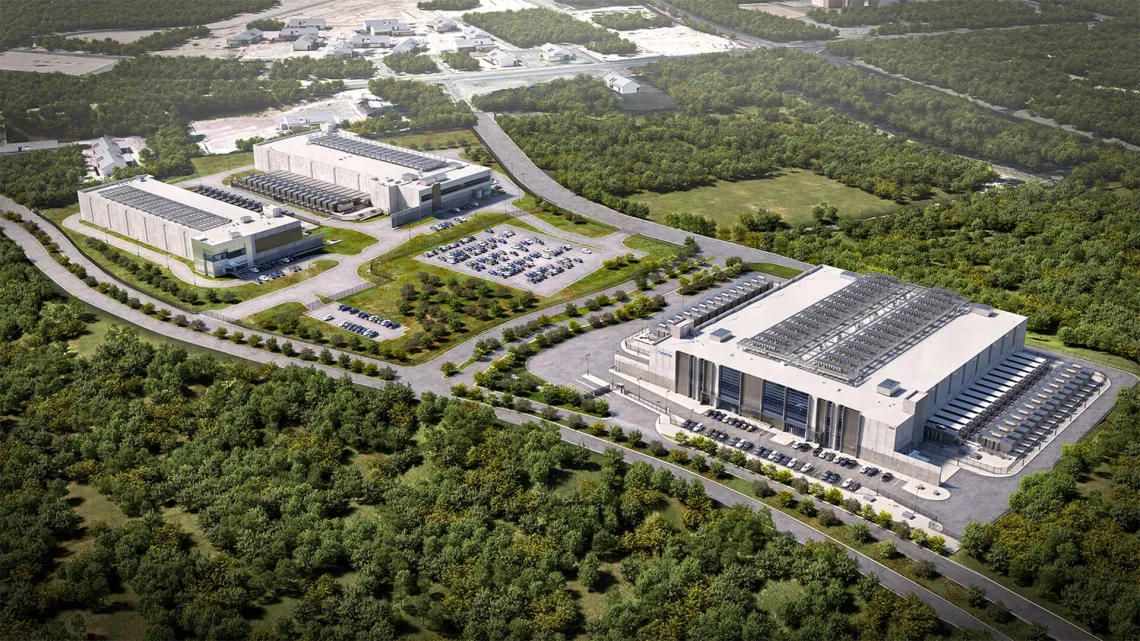
Why Are Data Centers Coming to Texas?
Texas offers several advantages for data center developers. The state has abundant land, a competitive electricity market, tax incentives, and access to significant energy resources. Our main electric grid - ERCOT - is an open-access grid that allows anyone who can get through the process to connect to be served or build a generator to serve. It is also home to rapidly growing metropolitan areas and major transportation infrastructure.
As companies race to build the computing capacity needed for artificial intelligence, Texas has emerged as one of the most attractive locations in the country. Industry analysts now regularly identify Texas as a leading market for new data center investment, particularly for facilities designed to support AI technologies. The Texas Governor has called the state an “epicenter of AI development.”
Data Center Demand for Electricity
One of the biggest conversations surrounding data centers is energy use. Data centers operate around the clock, and many require tremendous amounts of electricity to power servers and cooling systems. Large AI-focused facilities can consume as much electricity as a small city.
Texas is already experiencing rapid growth in electricity demand from population increases, industrial expansion, and economic development. The addition of large data centers is expected to place even greater demands on the electric grid in the coming years. This raises important questions about reliability, infrastructure investment, and who ultimately pays for the upgrades needed to serve new facilities.
Recently, in April, Texas’ main grid operator - the Electric Reliability Council of Texas - made a startling prediction: Texas’s total peak demand could go from roughly 90 gigawatts of electricity demand today to roughly 370 gigawatts of demand by 2032 - a four times increase if all the large AI, data centers and other large loads that say they want to come actually do. While this amount of potential demand will not occur - we don’t have the power or the transmission system to serve that many data centers - it points to the pressure that officials and communities are facing as these large loads compete to get access to our system. The real danger is that we - the people - will end up paying for all the transmission and power generation that these facilities will require.
Data Center Water Use
Electricity is only part of the conversation. Many data centers also require significant amounts of water to keep equipment cool. Water use varies depending on facility design and cooling technology, but researchers are increasingly examining how large-scale data center development could affect water supplies, particularly in regions already facing drought conditions and long-term water challenges. Recently, for example, the Bureau of Economic Geology at the University of Texas at Austin produced a report that said data centers and other large water users could require anywhere from 3 up to 9 percent of Texas’s total water supply by 2040.
As Texas communities grapple with increasing water scarcity, residents and policymakers are beginning to ask whether future data center growth should be evaluated not only through an economic lens, but also through the state's long-term water needs.
Data Centers and Air Pollution
Data centers can create more air pollution in several ways. First, because data centers require vast amounts of power, they require electricity from power plants, whether onsite or on the grid. While some data center developers have pledged to only use renewable energy and storage, most have not made this pledge, and instead are investing heavily in fossil fuels, whether it is Meta’s plan to build small polluting gas plants in El Paso to fuel its gigantic project, or Fermi America outside of Amarillo seeking permits to build more than 10,000 MWs of both peakers and combined cycle gas plants.
Additionally, large energy companies like NRG Energy are leveraging growing electricity demand from AI data centers to justify extending the operation of aging coal plants and expanding methane gas generation, potentially locking in decades of additional fossil fuel emissions.
The second way these data centers can pollute local communities is with backup generators. While these generators would not be used frequently, if the grid becomes stressed or there is an emergency, data centers and other large computational loads would rev up extremely dirty diesel or gas backup generators. Some data centers literally have dozens of these backup generators onsite and Texas has outdated air quality standards for their use meaning local communities will feel the burden. Recently, dozens of local residents showed up in South San Antonio to fight against a proposal by Vanguard to locate dozens of polluting backup generators at their latest site.

Do Data Centers Create Jobs?
Supporters often highlight job creation as a benefit of data center development. Construction projects can generate hundreds of temporary jobs, and facilities require workers to maintain operations, manage equipment, and oversee security systems.
However, data centers typically employ far fewer permanent workers than many other large industrial developments. Despite often appealing for public subsidies in the form of long-term tax breaks, most developers are not required to hire locally for the actual construction of the facilities, nor to collaborate with local workforce development programs and trade schools to help maximize local economic impact. As a result, communities are increasingly weighing the limited economic benefits against the demands these facilities place on local infrastructure and natural resources.
What Can You Do About Data Centers?
The growth of data centers reflects a broader transformation taking place across Texas. The state is becoming a hub for the technologies that will shape the future economy, from artificial intelligence to advanced computing and cloud services. At the same time, Texans deserve transparency about how these projects affect the communities where they are built. Questions about energy demand, water use, environmental impacts, and public accountability are not obstacles to progress - they are essential conversations about how growth should occur.
As more data centers come online across the state, policymakers, utilities, businesses, and residents will need to work together to ensure that technological development does not come at the expense of reliable electricity, healthy water supplies, or thriving local communities.
The decisions Texas makes today about data centers will help determine how we balance innovation, economic growth, and environmental stewardship for decades to come.
To learn about how communities are fighting back against unchecked data center development, watch our recent Keep the Power On meeting, “Data Center Organizing in Texas.” Then, sign up for email updates about our work. We’re mobilizing Texans across the state to push for change at the Texas Legislature and the state agencies responsible for data center regulation.
Together, we can ensure every day Texans don’t bear the financial, economic, or generational burden of massive industrial development.