By James Perkins
James Perkins is a North Texas-based organizer with the Sierra Club’s Beyond Coal Campaign, working with communities affected by NRG’s WA Parish coal plant on the Gulf Coast.
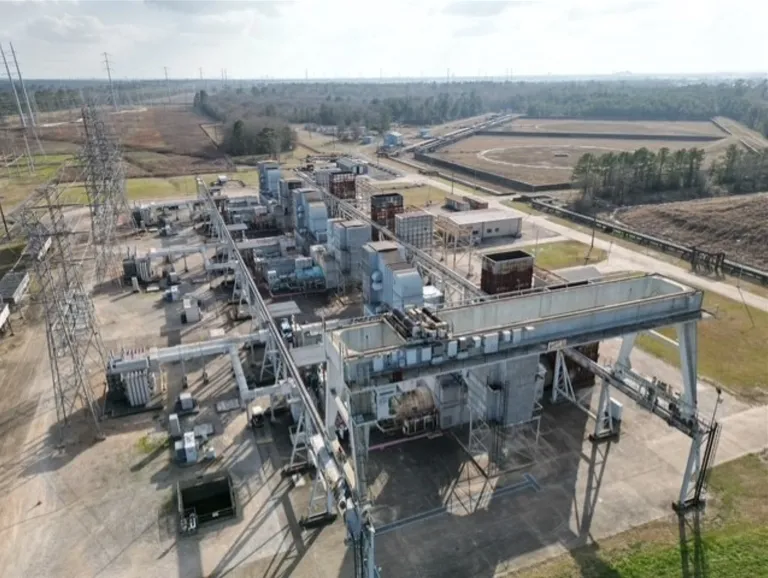
From the Houston area to North Texas, NRG has secured hundreds of millions in low-interest loans from the Texas Energy Fund, a result of pro-gas lobbying, to expand its fossil fuel footprint. At its Greens Bayou site near Houston, the company plans to build a new gas plant just miles from communities that have lived for decades with industrial pollution. In North Texas, NRG is proposing the Tolar gas plant - claiming the expansion is a necessary response to population growth, grid reliability concerns, and rising data center demand.
Supporters argue that new gas plants provide dispatchable power when demand spikes and that Texas’ rapid growth requires every available resource. Reliability matters. No one wants a repeat of past grid failures. But reliability does not require doubling down on the same fuel sources that have repeatedly failed in extreme weather and exposed communities to harmful pollution.
These NRG projects are a taxpayer-backed guarantee of decades more gas dependence, harmful pollution, and sick communities. Gas- and coal-fired power plants release nitrogen oxides, sulfur dioxide, fine particulate matter, and toxic metals like mercury and arsenic into the air. These pollutants trigger asthma attacks, increase the risk of heart disease and stroke, damage lung development in children, and contribute to premature death. Even so-called “clean” natural gas plants emit smog-forming pollution and climate-warming methane that worsens extreme heat and severe weather. At a time when cleaner, cheaper, and more reliable alternatives are already supporting the grid - these new builds are not only unnecessary, but completely irresponsible.
During recent winter storms, wind, solar, and battery storage helped stabilize the grid and prevent widespread outages - demonstrating that clean energy and battery storage are already playing a reliability role once dismissed by critics. If these clean, reliable, and affordable energy solutions are working - why invest taxpayers’ hard-earned money in energy sources that pollute communities and set us back decades of progress?
The result is the same: public dollars flowing to private fossil fuel expansion, while communities shoulder the health costs.
On the Gulf Coast, the damage is already painfully clear. NRG’s WA Parish coal and gas fired power plant near Houston is old, dirty, and dangerous. It has failed during winter storms, leaving Texans without power when they needed it most. Units have caught fire, hospitalizing workers. And the pollution it emits is linked to more than 170 premature deaths every year, according to peer-reviewed health impact analyses. The ongoing pollution translates into hospital visits, missed workdays, and families living with chronic illness - year after year.
Rather than shutting WA Parish down and taking responsibility, NRG has decided to double down on fossil fuels. This is where the hypocrisy really kicks in.
While NRG expands coal and gas across Texas, it also wants applause for its clean energy branding. In January, the company announced a partnership with Sunrun to create a virtual power plant using rooftop solar, home batteries, and smart devices.
While this effort is laudable, a handful of home batteries cannot offset a coal plant linked to hundreds of premature deaths. Smart thermostats do not make smokestacks clean. A virtual power plant does not erase the real-world pollution coming from WA Parish, or that will come from Greens Bayou or Tolar.
The clean-tech image can not make up for the damage being done to our air, our communities, and our future. NRG talks about resilience while running plants that fail in extreme weather. NRG talks about innovation while expanding fossil fuel infrastructure with public money. They talk about helping Texans while leaving communities on the Gulf Coast and in North Texas to deal with dirtier air and higher health risks.
North Texas and the Gulf Coast are proof of NRG’s statewide strategy. Pollute here, expand there, rebrand everywhere. Texans deserve better than this bait and switch. We deserve energy companies that match their clean rhetoric with a renewable energy reality, not ones that hide fossil fuel expansion behind solar buzzwords and tech partnerships.
If Texas is going to spend billions of public dollars on energy infrastructure, it should invest in solutions that lower costs, improve reliability, and protect public health - not entrench pollution for another generation.