It was a year ago that a series of floods, beginning with the July 4th Central Texas Flood, devastated communities in the Hill Country area known as “Flash Flood Alley.” At least 139 Texans - 119 of them in Kerr County, including 28 at Camp Mystic - were killed, thousands of people were injured, more than $1.1 billion in residential property was lost, in addition to $100s of millions in additional infrastructure like roads, bridges and levees. All told, the economic impact was in the billions of dollars, some estimating up to $22 billion in damage when all costs are considered.
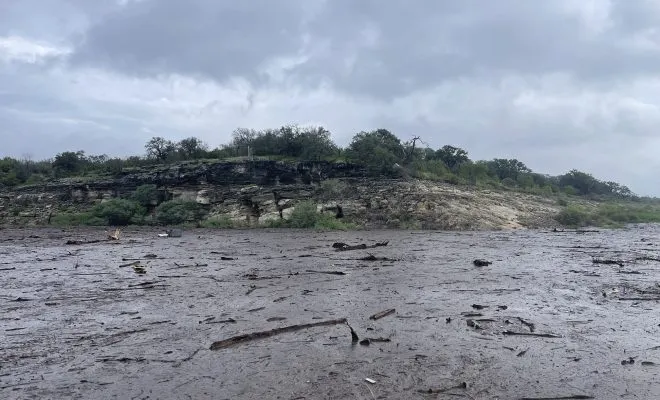
One year later, we’re still asking why Texas - one of the most flood-prone states in the country - could have been so unprepared. A total of 9 people died in Travis County, 3 in Williamson County, and 5 in Burnet County. The Central Texas July 4th floods - in reality flooding continued for more than a week with a series of other storms hitting parts of the region - were the most impactful floods in the US since the 1976 Thompson River flood in Colorado, and were even more damaging than the 2024 floods in Florida that resulted from Hurricane Helene as the Guadalupe River surged more than 28 feet in less than an hour.
There was some grace in the coming week and months as tens of thousands of volunteers donated time and money, working closely with local emergency responders to save lives, clean up debris and help Texans in need. The disaster did show the kindness and empathy that so many Texans feel toward their neighbors.
But key issues emerged in the coming months, including the decision by Kerr County to reject funding for early warning systems and sirens along the rivers, construction of camp sites and RV parks in flood prone areas, lack of investment in meteorological and hydrological tools, and other failures. What was perhaps of even more insult was just a year before the Texas Water Development Board (TWDB) had finalized a five-year planning process with the adoption of the 2024 State Flood Plan, which included thousands of potential projects totaling more than $50 billion dollars in needs, as well as a series of key legislative and management recommendations. Nevertheless, most of those recommendations were ignored in 2025 during the regular legislative session.
In the days following the floods and disaster relief efforts, the Governor did call a special session with some 17 items - four of them related to flood issues - but the first special session was dominated instead by an effort to gerrymander congressional districts, an effort which was eventually covered in the second special session. While again the Governor did add an additional charge - camp safety - the Legislature spent the 30-day special session accomplishing relatively little and completely ignoring most of the recommendations provided in the State Flood Plan.
In the end, after all the efforts, the Legislature passed two camp safety bills, one early flood warning system bill, and put a significant amount of money into early warning flood siren systems ($50 million), disaster relief ($200 million) and meteorological stations ($28 million). A major bill on emergency response and better disaster relief procedures failed to pass in part over disagreements around the establishment of an “Interoperability Council” favored by the House but opposed by the Senate leadership. To be clear, the camp safety bills and the funding for a county grant program for early warning systems as well as disaster relief money are good first steps, but they largely ignore other key recommendations and policy solutions.
Fortunately, despite the failure of the government to do their job to assure safety for Texans from floods and other extreme weather events going forward, we are now just months from the beginning of the 2027 Legislative Session. The Sierra Club is continuing to call on the Legislature to increase funding and enact legislative changes to protect Texans through investments and smart policy. Among our key asks are:
- Direct the TWDB to establish enhanced floodplain standards required for cities and counties, including standards around buildings and infrastructure;
- Update floodplain maps to reflect the reality of climate change and extreme weather;
- Update city and county building codes to assure that buildings are built to be resilient to floods and other natural disasters;
- Provide counties with enhanced authority over drainage fees, building codes, impervious cover and key water and flood issues;
- Invest in a statewide land conservation program to protect riparian areas and utilize green infrastructure to help Texans;
- Authorize funding for flood infrastructure, including technical assistance and community outreach as part of the Flood Infrastructure Fund.
Send A Message to Your Legislators by Clicking Here
TWDB Legislative Recommendations from the 2024 State Flood Plan:
- Flood funding and financial mechanisms. The legislature should consider allocating dedicated funding for ongoing flood mitigation efforts through the Texas Water Development Board, including flood risk reduction solutions through the Flood Infrastructure Fund, and continued funding for regional flood planning groups, flood risk modeling, and mapping.
- Community financial and technical assistance. The legislature should consider establishing and funding a targeted technical assistance program specifically aimed at small, remote, rural, or otherwise socioeconomically disadvantaged communities to develop and/or perform floodplain management activities to protect Texas’ most vulnerable communities against loss of life and property.
- Low water crossing safety. The legislature should consider expanding funding to enhance safety at low water crossings, prioritizing improvements based on traffic counts, roadway type, and existing risk levels through structural enhancements and flood warning systems.
- Flood early warning systems. The legislature should consider prioritizing and expanding funding for implementing flood early warning systems on a regional scale, with emphasis on rural areas, to enhance public safety and reduce flood risk to communities.
- Enhanced dam and new levee safety programs. The legislature should consider developing a levee safety program and enhancing the existing Dam Safety Program to further identify and assess risks to dams and levees.
Regional Flood Planning Group Legislative Recommendations
- Authority of counties, including regarding drainage fees. Consider providing counties with authority to establish and collect drainage fees, at their own discretion, in unincorporated areas. Clarify regulatory authority of counties regarding floodplain management.
- Statewide floodplain management standards for infrastructure and buildings for flood risk reduction. The legislature should consider developing and adopting statewide, minimum design standards for infrastructure and building to reduce loss of life and property from flooding. All statewide design standards must be simple and flexible enough to accommodate the broad range of development needs and flood risk conditions across Texas.
- Statewide building codes regarding flood risk. The legislature should consider updating consistent, statewide building codes in a manner to make Texas eligible for maximum federal Building Resilient Infrastructure and Communities funding regarding flood risk.
- Transportation infrastructure considerations. The legislature should consider the following: 1) Local regulation integration for Texas Department of Transportation to enhance flood resilience at the community level; 2) Critical infrastructure (roadways and bridges) protection to improve the flood resilience of evacuation routes and other essential infrastructure; and 3) Minimum elevation standards for roadways to account for current and future flood risks.
TWDB General Recommendations for Floodplain Management
- Existing minimum Federal Emergency Management Agency (FEMA) floodplain standards required for cities and counties under Texas Water Code § 16.3145 and recommendations for higher standards. Consider implementing the FEMA’s Federal Flood Risk Management Standard, where appropriate, while developing the design guidelines or flood management standards to help reduce future flood damages and recovery costs.
- Enhance current floodplain management activities. Encourage National Flood Insurance Program participation and adoption of minimum floodplain management practices for all Texas communities, including ensuring development is in line with current flood risk assessments. Enhance coordination among state agencies for floodplain management. Improve education for state agencies that perform a variety of permitting functions (Texas Parks and Wildlife Department for park properties, Texas Department of Licensing and Regulation for mobile home installations, and The Railroad Commission of Texas for propane tank installations).
- Nature-based solutions. Seek ways to provide funding and incentives for incorporating nature-based solutions, such as open space and floodplain preservation for development or drainage projects. Consider leaving adequate space for water to flow today so it can prevent increasing or creating new flood risk to life and property in the future.
- Asset management. Generate and maintain a statewide inventory and assessment of major flood infrastructure. Provide statewide guidance on how to best manage drainage and floodplain assets.
- Education and outreach. Seek to improve awareness and ways to mitigate risk at low water crossings (e.g., improved mapping of locations, improved flood warning, and increased or prioritized grant funding). Improve public flood education and outreach. Improve coordinated messaging between all agencies (federal, state, regional, local). Increase targeted marketing campaigns through avenues like social media, print media, TV, and billboards. Increase regional and statewide activities related to flood warning. Support National Weather Service release of new Flood Inundation Mapping products in late 2023. Improve guidance and outreach related to developing flood warning systems and flood sensors.
- State flood planning. Maintain coordination between the Texas Division of Emergency Management’s state hazard mitigation planning and the TWDB’s state flood planning processes. Seek to incorporate state flood planning into other statewide planning processes, such as Texas Department of Transportation planning, Texas Parks and Wildlife Department planning, and Texas Facilities Commission planning.