It’s easy to look at our energy use and grid in Texas and feel concerned. First, energy costs are going up; you notice it when you are pumping gas, or paying your electric bill. This is true inside or outside our main electric grid. And costs related to transmission and distribution in particular are going up astronomically as inflation and new investments for a growing Texas hit our monthly bills. Recently, we participated in an interim committee hearing at the Capitol about the rising costs. Our comments can be found here.
While solar and battery storage are growing fast, and helping reduce those already-high electric costs, we are seeing a steep increase in the number of proposed gas-burning power plants, especially plants linked to data centers and facilities using artificial intelligence. Data center proposals are popping up around the state, and many of them are being linked to new gas plants.
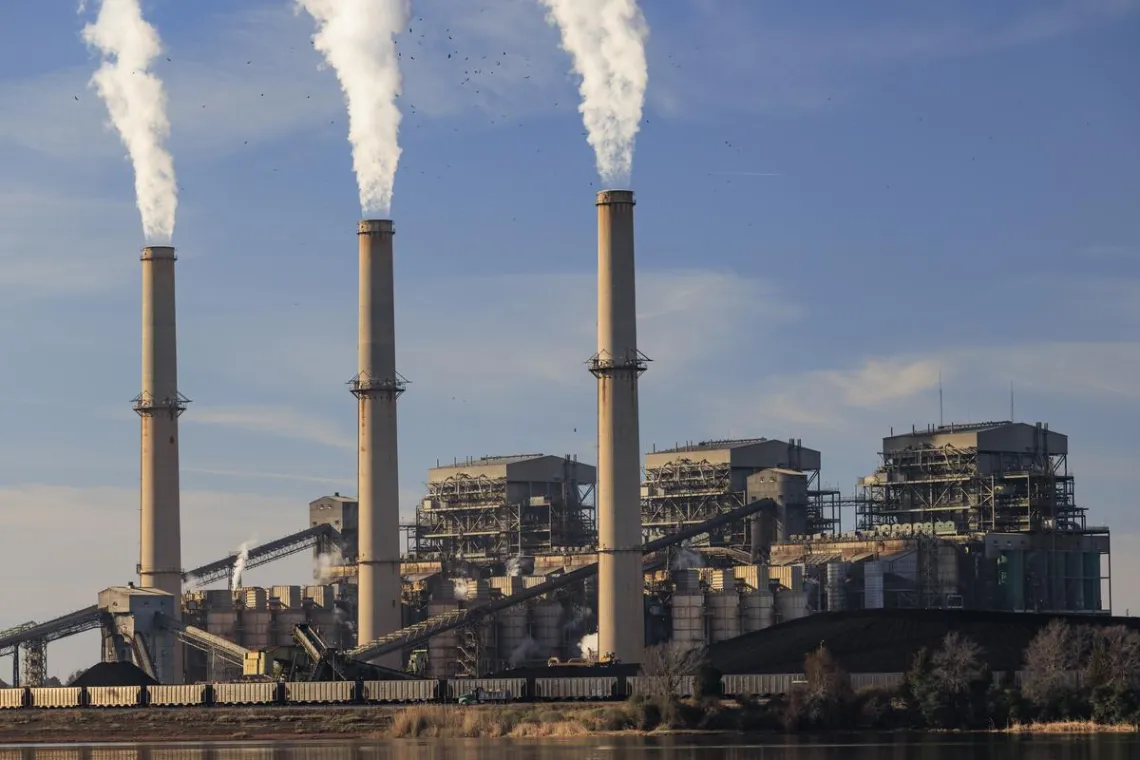
Progress Toward Ending Coal Use in Texas
Still, here’s the good news. Companies in Texas are continuing to plan to retire coal plants, which on a MWh basis, are still the dirtiest form of energy due to carbon and other emissions, but are also extremely expensive and major users of water, as highlighted in a recent report by the Sierra Club. Sierra Club has been working to help transition away from these plants, and working with the Beyond Coal team and other allied organizations in Texas, we are having some success.
Tolk Coal Plant: Retirement and New Renewable Energy
Earlier this month, the PUCT approved a proposal by Southwestern Public Service Company (SPS) - which is a unit of Xcel Energy - to finally close its dirty, water-thirsty Tolk coal plant near Lubbock and replace it with a variety of resources, including wind, solar and battery storage.
Sierra Club was a party in the proceeding, and our lawyers were successful in assuring that the coal plant will retire by March 2029, as SPS builds out new resources to serve its customers in Texas and New Mexico. While the plan isn’t perfect - it does include building two large gas peaker plants - the PUCT did impose cost caps on that resource and allow wind, solar and battery storage to move forward. A copy of Sierra Club’s press release can be found here.
Welsh Coal Plant: Ending Coal Use in East Texas
Second, last month, the PUCT approved a related plan by SWEPCO - the Southwestern Electric Power Company (SWEPCO) to build on its previous closure of the Pirkey Coal Plant in East Texas with the announcement that its other East Texas 1,000+ MW coal plant - Welsh - will stop burning coal. While one unit had already closed several years ago, two others will be reconverted to run on gas in 2027 and 2028.
Again, while the Sierra Club would prefer replacing coal with clean energy – due gas plants’ using considerable water resources, costing a lot, and emitting high levels of methane throughout the frack life cycle – emissions of NOx, carbon dioxide and sulfur dioxide in Titus County in Northeast Texas will come down significantly.
Spruce and Coleto Creek: More Plans to Move Away From Coal
CPS Energy is still planning to retire one of its Spruce coal units by 2028, while converting the other to gas in 2027. Sierra Club members and Public Citizen advocates were active in calling on CPS Energy to end its use of coal. Meanwhile, Vistra plans to close Coleto Creek by 2027, although part of it could then run on gas. Coleto Creek itself has had major problems.
San Miguel Coal Plant: A Transition to Solar and Battery Storage
Plans by the San Miguel Electric Cooperative to close its incredibly destructive San Miguel Coal Plant appear to be proceeding on course, if somewhat delayed. Sierra Club helped advocate for USDA funding for the electric cooperative to help close the plant and instead invest in solar and storage to replace its energy.
Under the federal funding, the facility will be closed within a few years and will be replaced by a 400 MW solar generation and 200 MW battery storage project, both of which would come online by the end of 2029, according to the most recent ERCOT Generation Interconnection System Report.
The Work Ahead: Securing Coal Retirements and Clean Energy
Sierra Club lawyers, staff and volunteers must remain vigilant and assure that these retirements at Welsh, Spruce, San Miguel, Tolk and Coleto Creek come to be, and, as much as possible, are replaced with clean energy – not polluting gas.
Assuming everything goes right over the next few years, five of Texas’s existing 12 coal plants will no longer burn coal, in part because of the work of the Sierra Club and our allies. Within ERCOT, coal now produces less energy than solar, and less energy than wind as we continue to transition to cleaner forms of energy. We hope the upcoming legislative session can put some guardrails in place.