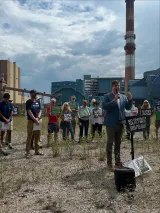
Why are Hudson Valley electricity costs increasing?
As with any product or service, balancing supply and demand is critical in providing a stable and predictable marketplace for consumers. When demand exceeds supply, the costs associated with that product would be expected to rise. The demand (and therefore the cost) of electricity in the Hudson Valley has been increasing steadily over the last decade, with growing demand for industrial supply (for instance, large data centers to power AI and crypto development) as well as broader marketplace demand such as the growth of EVs (electric vehicles) and electric heat pumps in our homes. Energy customers in the Hudson Valley are estimated to pay an average of about $27 per megawatt-hour, more than double the rates in parts of western New York, where renewable energy generation and battery storage installations (BESS) are more common. At a recent presentation in Saugerties, a panel of experts explained how extreme weather can increase our electric bills. They used as an example a day in June 2025 in which temperatures approached 100 degrees and demand peaked, with prices rising as high as $2,500 per megawatt-hour. Those costs are passed on to residents through our monthly electric bills. With the growth in electricity demand and increase in future extreme weather events, what can be done to bring the cost of electricity down for Hudson Valley residents?
Solutions to the rising demand of electricity: does each “solution” address costs?
The good news is, there are existing solutions to this problem. Some solutions are better than others, as will be explained. One common characteristic required in terms of these solutions – the need for community support. We have the ability to greatly influence the path our communities take to address energy costs and availability in the future.
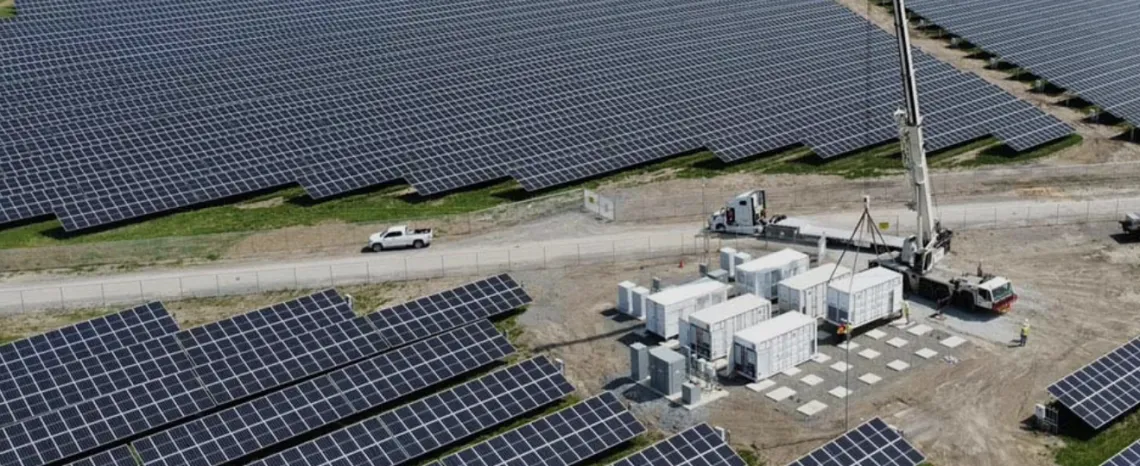
Transition from natural gas and other fossil fuels to Renewable Sources of Energy:
Yes, this solution addresses the rising cost of electricity and serves as the best long term solution to our energy needs and costs. Wind and solar power are often the most inexpensive, most cost-effective sources of electricity, with little to no fuel cost following installation.
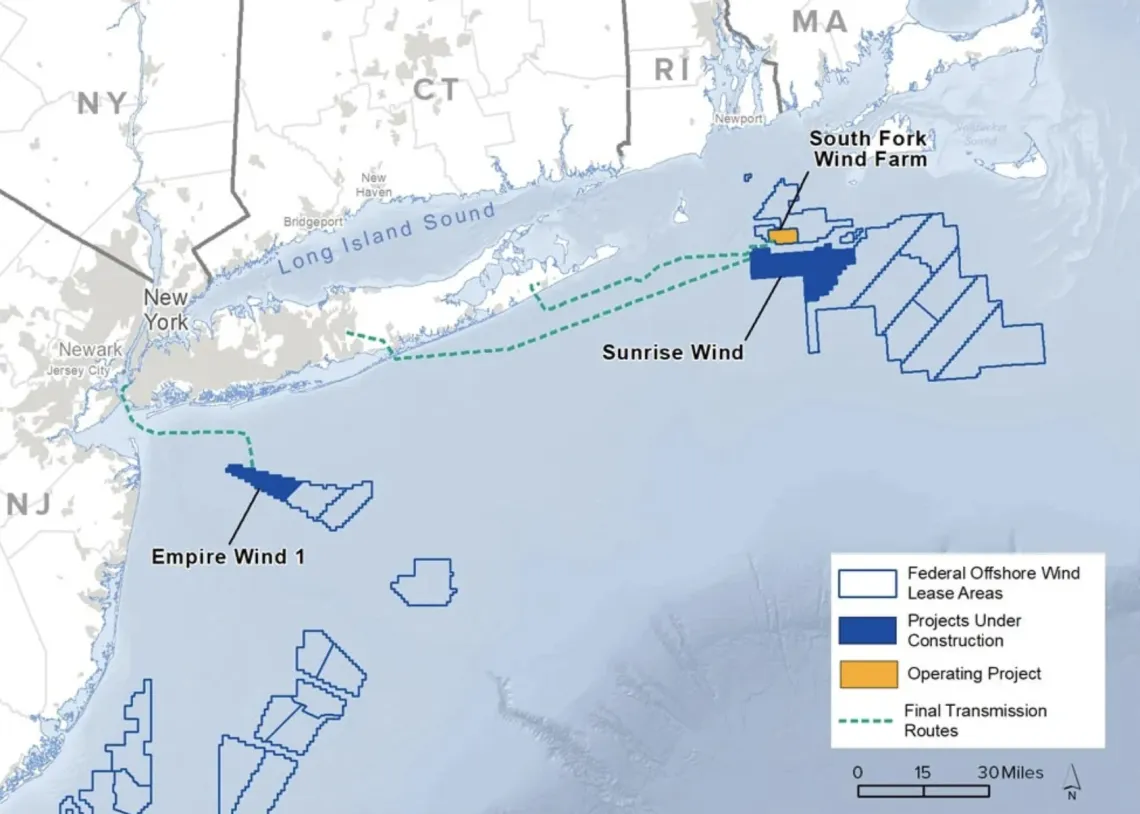
However, many of the utility scale solar and wind developments are located far from the Hudson Valley – wind turbines in ocean waters and large utility scale solar arrays in western and northern New York State. Because we live in a more densely populated area where land is not always available, and our local communities are more resistant to allowing utility scale solar farms in our region, we don’t have the readily available and inexpensive renewable energy sources that exist elsewhere in the State. Proximity to these more economical sources of energy is an important factor in lowering energy costs. As a result, while communities are not supporting large solar projects, many residents have installed solar panels on or around their homes to reduce their reliance on their public utility for electricity. This of course represents a longer-term cost efficiency strategy since an up-front investment is required.
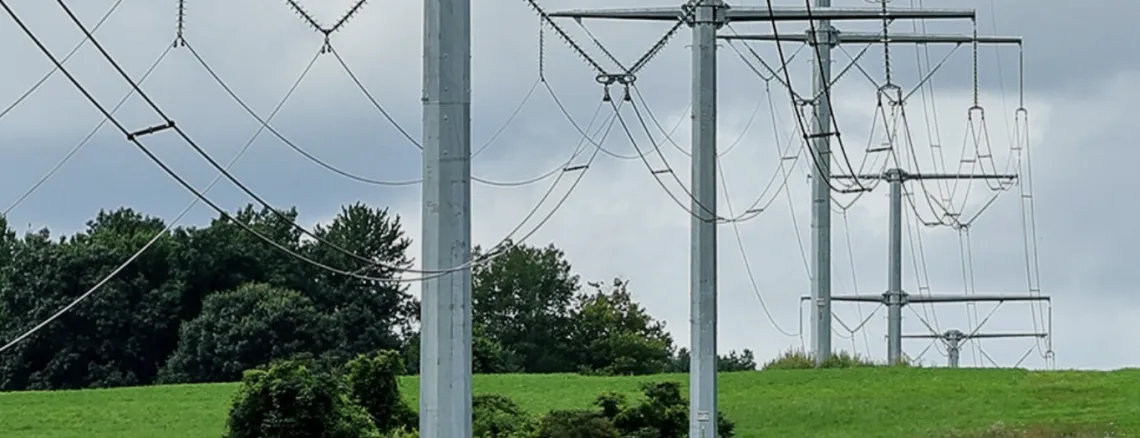
Grid Modernization and Efficiency:
Yes, this solution addresses the rising cost of electricity…but it is flawed and not feasible in the short term, because it represents a highly capitalized process that takes too long to implement. Upgrading grid infrastructure with advanced technology reduces transmission congestion and optimizes energy flow. The grid is continuously being updated across New York State, but this represents a very slow and costly process, and with the cost of electricity growing steadily, we need solutions that allow for a more immediate impact on affordability. We don’t have the ability to continue funding higher and higher energy costs before the grid upgrades impact our region. The lack of a critical transmission link in our region means that Hudson Valley, New York City and Long Island utility customers have only limited access to the western and northern grid that is mostly powered by less expensive, carbon-free energy. Since utility scale renewable energy is not as established in this more populous southeastern region of the State, this region is almost exclusively fossil fuel powered, a more costly and unhealthy energy source.
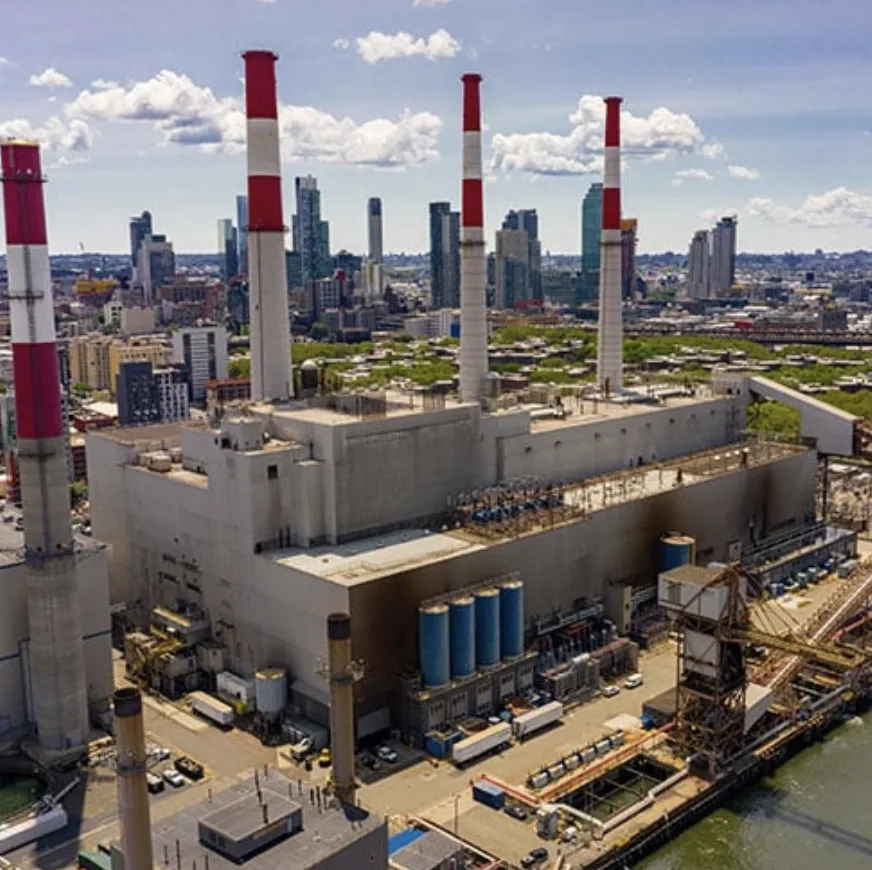
“Peaker” Plants represent the primary legacy solution (with a lot of downsides):
No, this alternative does not address the rising cost of electricity. This is not an affordability or wellness solution since it represents a costly energy source that is extremely unhealthy for area residents. Peaker plants (or "peakers") are specialized, generally fossil-fuel-powered, natural gas-driven power plants that only operate during periods of increased electricity demand, such as hot summer days. When demand increases and the normal transmission is constrained, the grid operators turn to these peaker plants. The result for Hudson Valley residents is a spike in electricity rates and poor air quality (they are largely responsible for the reference to the Hudson Valley as "asthma alley"). Their advantage is that they can start up within minutes to meet sudden spikes in demand to prevent blackouts, but their disadvantages far outweigh this advantage. They are generally less efficient, therefore more expensive, and more polluting than baseload plants. These plants also disproportionately impact lower income communities since they are often located near to or within these communities. They run infrequently, typically less than 10% of the year, to supplement the grid when demand exceeds capacity. Most importantly, they can be replaced by a technology that is a less expensive, more efficient, and safer alternative that also occupies a much smaller footprint than do the peaker plants. This technology is…
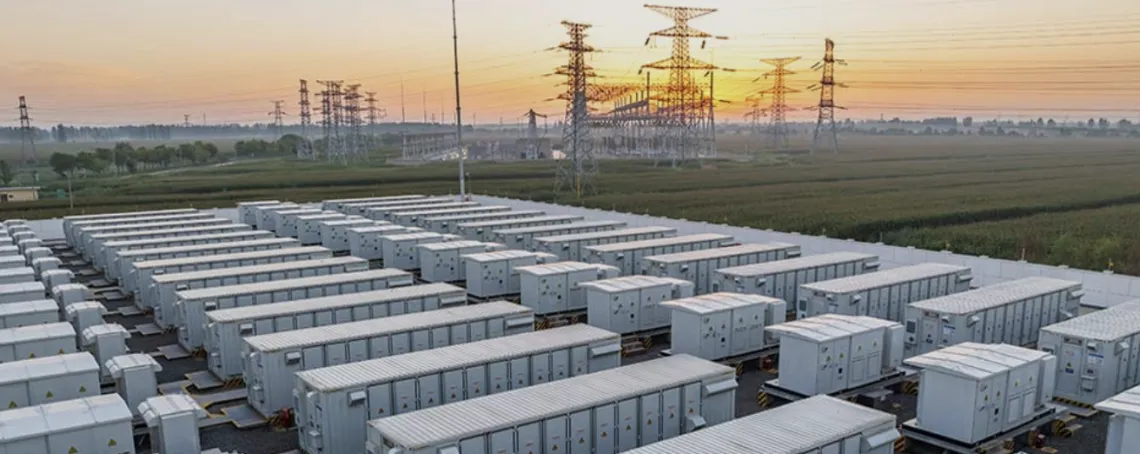
Battery Energy Storage Systems (BESS):
Yes, this solution addresses the rising cost of electricity and serves as the best short (and long) term solution to our energy needs and costs. Installing battery storage units helps to integrate all types of energy generation, renewable as well as fossil fuel sources, preventing waste by storing excess power, and reducing the need for high cost, inefficient, and redundant peaker plants. A primary feature of BESS installations is grid resiliency. At low demand times, such as overnight, when the transmission is not constrained (if not underutilized) and rates are low, the batteries can charge. When the grid operator is looking for more power, the batteries release their charge, eliminating the pollution and higher rates represented by the peakers. As a result, utility scale BESS projects are being proposed at a prolific rate in the Hudson Valley, and across the State as well as the nation. This is enabled in part due to the scale of technological advances that have resulted in reducing the cost of battery development and deployment. The most prevalent BESS battery technology is Lithium Iron Phosphate (LFP). LFP’s rise to dominance is fueled by superior safety, lower costs, and longer lifecycles as compared to Nickel Manganese Cobalt (NMC) alternatives, making them ideal for stationary storage such as BESS. This technology is also found in other mass market applications, such as EV’s.
Summary:
Reliance on fossil fuel as an electricity source is more costly and unhealthy than renewable sources. Electricity demand peaks during the extremes of the heat of summer or the cold of winter can result in there simply not being enough supply to meet the peak demand, and electricity rates rise widely. It is likely given the current climate trend that the future represents more frequent extreme days, raising the risk of blackouts. Projections are that our electric rates will climb steeply and rapidly in the current state of the grid, with batteries representing what may well be the only near-term and less expensive way to mitigate those rapid price increases. BESS reduces the short-term need for the capital intensive and slow to implement transmission lines and eliminates the need for the expensive and polluting peaker plants. Most importantly, the BESS installations do not need to be near solar farms or peaker plants to be useful. As long as they have access to transmission lines, such as at substations, they can charge and discharge as needed. Clink this link for more information regarding BESS systems and the facts (and misconceptions) about them.