Written By Dustyn Thompson
Edited By Tammis Dowling
The Sierra Club has been hard at work this year in Delaware. We teamed up with dozens of organizations from across the state, and even made some friends from surrounding states, to help pass some of the strongest environmental legislation in Delaware in recent history.
Due to the efforts of so many passionate advocates working tirelessly to make a difference through the legislative process, the General Assembly was able to pass nine bills that will improve our environment and ensure equitable access to renewable energy.
Renewable Energy
 The year started off strong after advocates worked all through the summer and fall to expand Delaware’s Renewable Energy Portfolio Standard (RPS). The RPS is a schedule that Delmarva has to follow which directs them to purchase their energy from renewable resources at an increasing rate each year. On January 19th, Senator Hansen introduced Senate Bill 33 which sought to increase our state’s RPS goal to 40% renewable energy by 2035, up from the previous goal of 25% by 2025. The Sierra Club has been advocating for a 50% short-term goal and a 100% long-term goal and we received strong support from a number of legislators who have committed to revisiting the legislation in 2022 to increase the goal again.
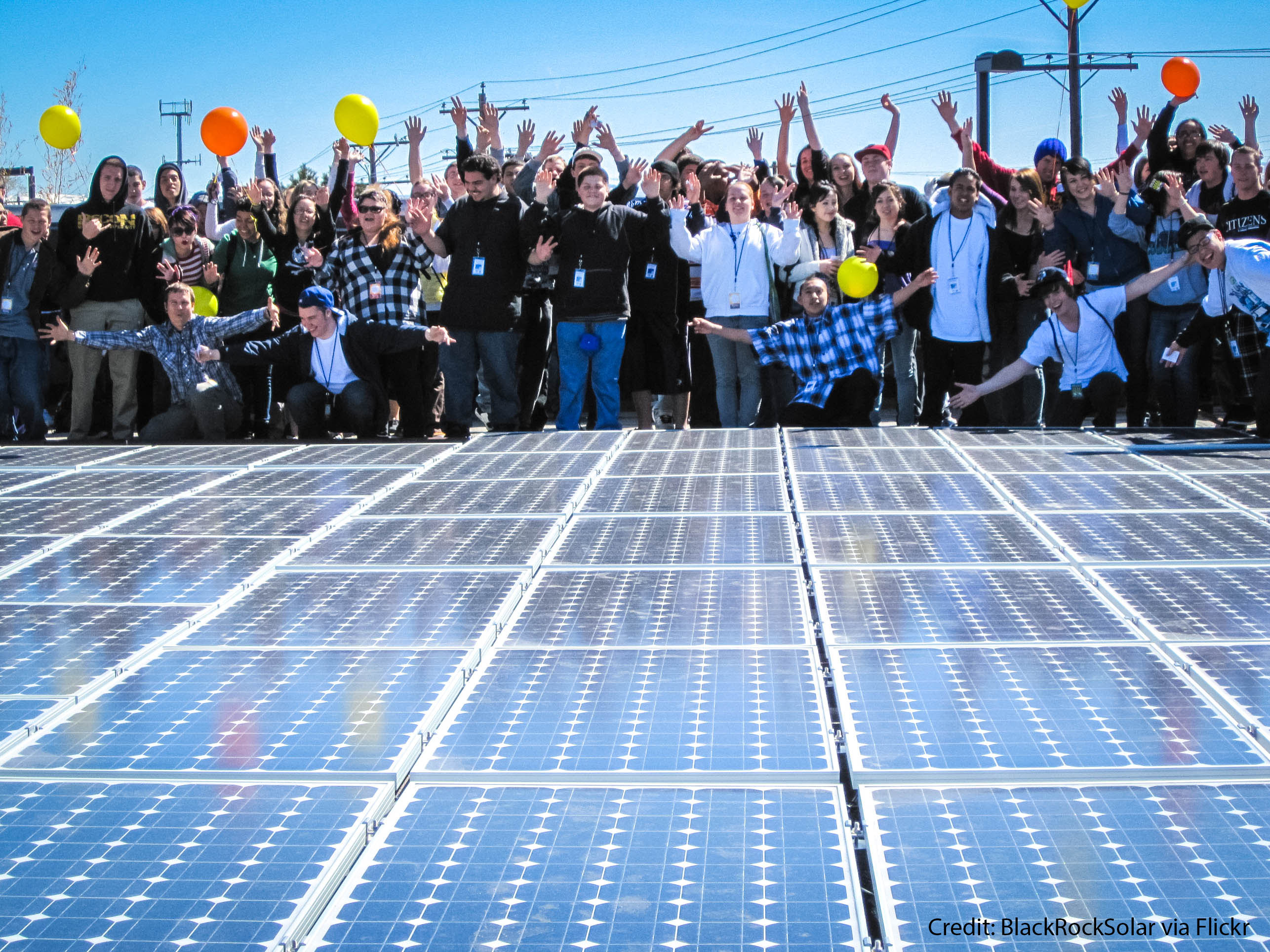 Part of the legislative effort in 2021 to increase the RPS was a renewed effort to create a Community Solar program in Delaware. Both efforts had failed in the 2020 legislative session. So over the summer, fall, and winter of 2021 through spring of 2022, the RPS Coalition and our partners worked together to come up with a comprehensive restructuring of the Delaware Code on Community Solar. We were then invited to serve on the stakeholder group with Senator Hansen to officially draft the legislation that would ultimately become Senate Bill 2, an act to create a Community Solar for All program in Delaware. The bill requires that 15% of every solar project be reserved for low-income participants and creates strong consumer protections for solar installations. It is set to be signed by the Governor soon which will officially launch one of the strongest community solar programs in the region.
Electric Vehicles
 The state also took action to help expand EV charging in Delaware as well. Senate Bill 21 will help expand the availability of public EV charging stations at state-owned property including state service buildings and state parks. The stations will be used by the expanding state fleet of EVs and when not in official use will be available to the public for a small fee to offset electric costs. Following up on that, the Senate took the first step to help ensure that all Delawareans have access to EV charging stations at home. For many living in our state’s largest cities, street parking serves as a barrier to EV ownership as there is currently no way to install a charging station if you park on the street. Senate Bill 187 would require any municipality with a population over 30,000 to develop a way for individuals to install charging stations outside their homes for those who rely on street parking.
Clean & Safe Water
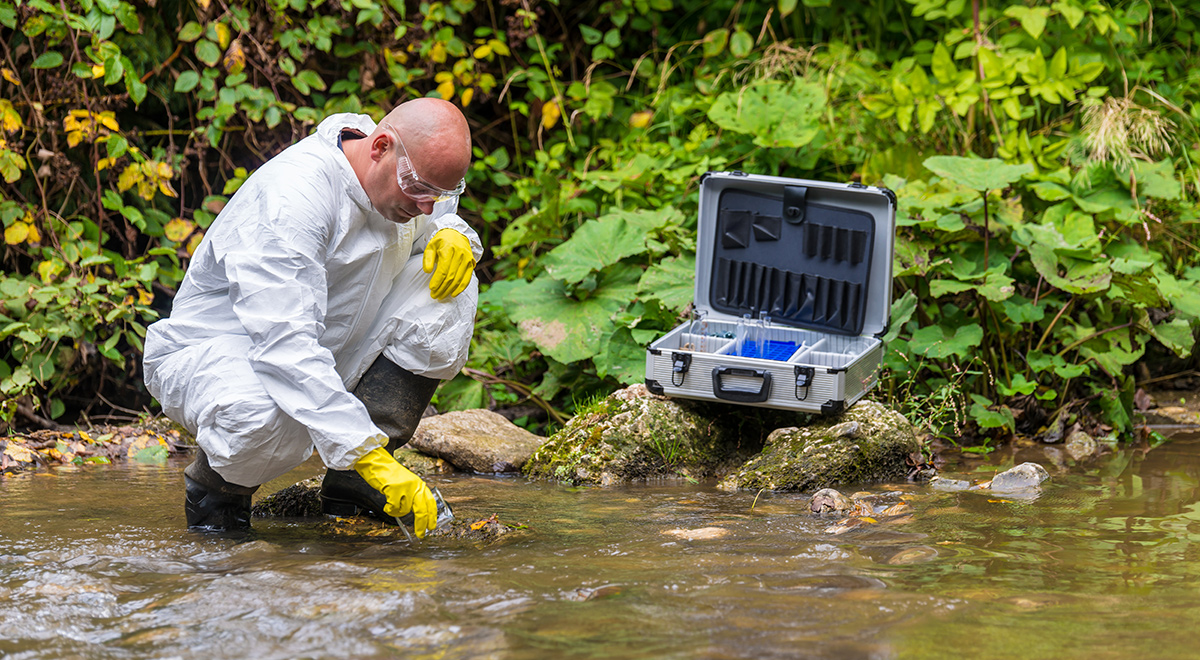 Delaware also took steps to help ensure our waterways and drinking water supplies are protected from toxic chemicals. House Bill 8 directs the Department of Natural Resources and Environmental Controls (DNREC) and the Division of Public Health to work together to set a maximum allowable limit for PFAS chemicals, also known as “Forever Chemicals,” in our drinking water. The legislature also was finally able to pass the Clean Water Act, House Bill 200. This bill creates a special trust specifically designed to hold federal matching funds to increase the value of any state appropriated clean water funds allocated at the discretion of the Governor and the General Assembly. Then, at the end of the legislative session, legislators passed Senate Joint Resolution 2 which instructed DNREC to engage with federal agencies to investigate what would need to be done to establish a state nontidal wetlands permitting program, effectively shifting the permitting program from the federal to the state level. This would help ensure that the protection of our wetlands does not rely on shifts in political power at the federal level.
Environmental Justice

 Thanks to the efforts of freshman legislators, Senator Marie Pinkney and Representative Larry Lambert, the state passed a resolution to establish the Justice Forty Oversight Committee to ensure that President Biden’s Justice Forty Initiative is followed in Delaware. The Justice Forty Initiative was created by President Biden as part of his efforts to rebuild the infrastructure of the United States. The plan sets the target of delivering 40 percent of the overall benefits from the American Jobs Plan’s massive investment in clean energy and infrastructure to disadvantaged communities. According to the resolution, tax credits, grants, and low-cost flexible loans will be used to combat racial and environmental injustice and to invest in communities disparately impacted by pollution and lack of clean energy investments. The resolution creates a committee to locate and help organize disadvantaged communities to ensure that these communities derive the full benefit of these credits, grants, and loans to improve the overall quality of life in Delaware.
Consumer Behavior
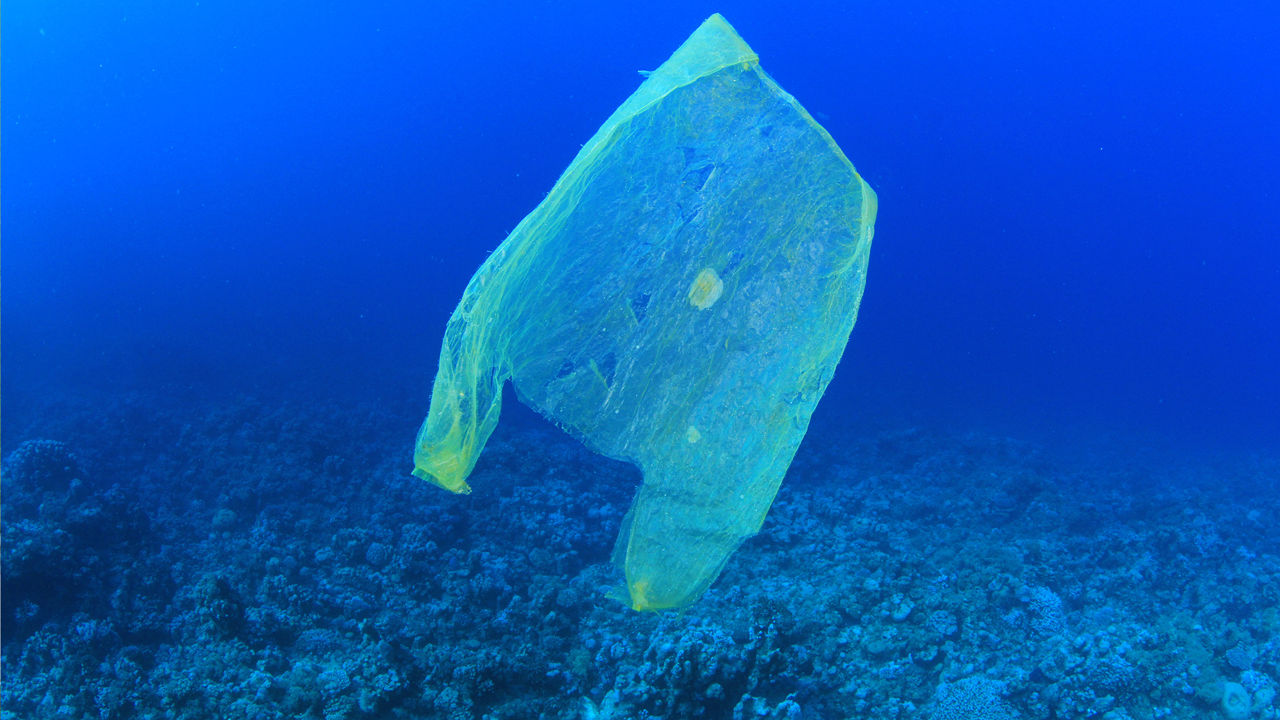 In addition, the state enacted two bills to help reduce consumer-created pollution as well. House Bill 212 was passed to help close a major loophole in the plastic bag ban that went into effect in January of 2021. The original law allowed plastic bags over a certain thickness, which led many chain retailers to distribute those rather than encourage customers to bring truly reusable bags or make the switch to paper bags. Senate Bill 24 was also passed this year and effectively bans the mass release of balloons in Delaware. A deal was struck with legislators from the city to reduce the punishment for a first offense and there is a phase-in period where law enforcement would only issue warnings for infractions during the first year.
Finally, Senator Hansen and the Delaware Native Species Commission were able to pass Senate Bill 22, which bans the sale or transfer of invasive species to Delaware to help stop the ecological destruction that these plants have had on our state.
All in all, it was a pretty darn successful year in Delaware when it comes to environmental progress! We look forward to working with our friends and allies to help ensure that we have even greater successes in 2022.