By Jess Gardner
Published October 19, 2022
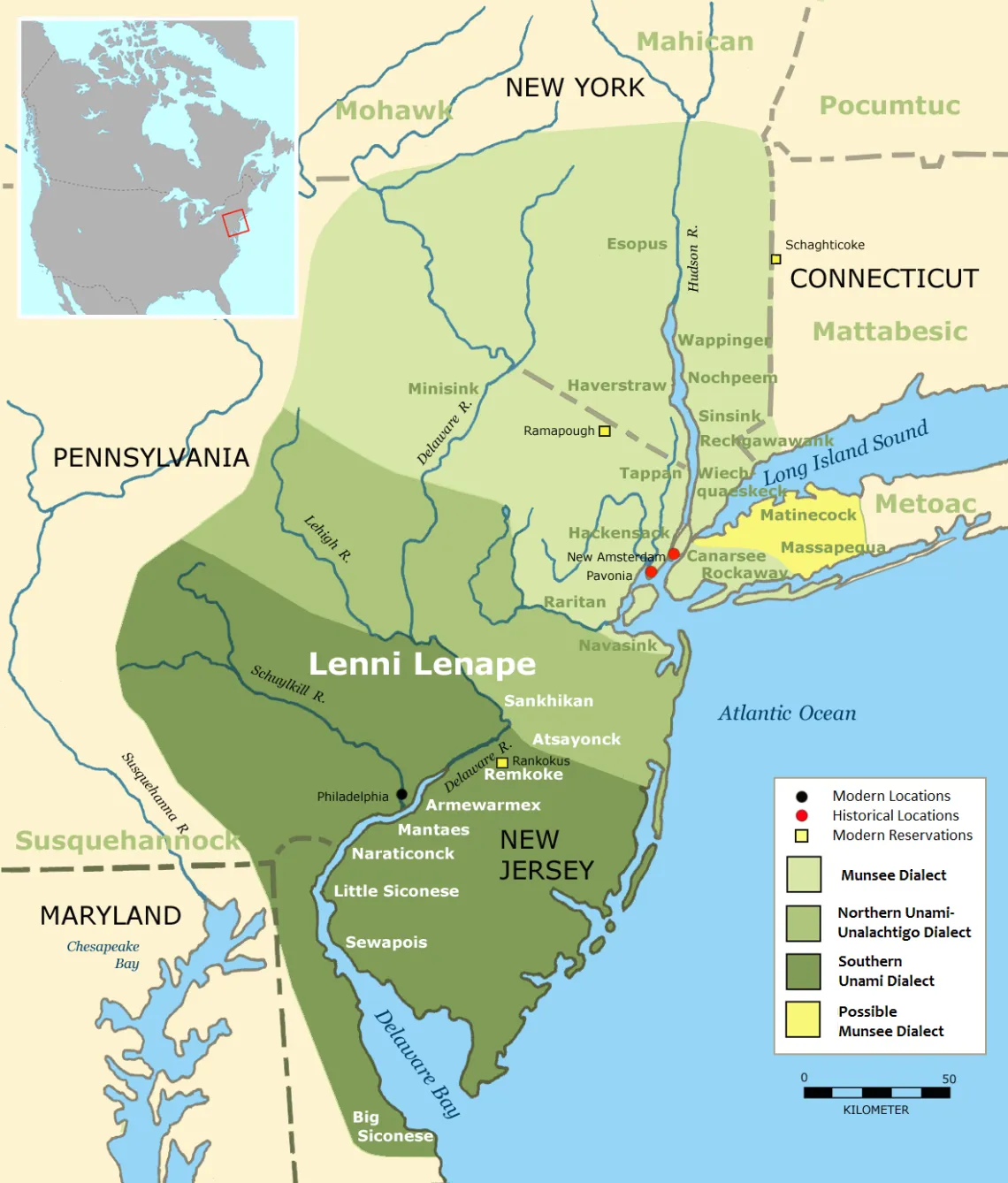
Four hundred years ago, the greater Lenape Tribe’s territory (Lenapehoking) encompassed the Delaware River Basin, and included present-day New Jersey, most of Delaware, the Eastern parts of New York and Pennsylvania. Lenapehoking was home to 20,000 Lenape in three clans. Before this summer, the Lenape Indian Tribe of Delaware (LITD) only owned one half-acre of this land. In the four hundred years without Native American land stewardship, most nature within this region has faced severe degradation due to population growth, industry, and invasive species. It’s more important than ever to work with the original people in order to restore this land.
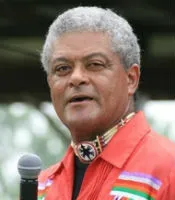
“We were the first conservationists and preservationists, our philosophy was to take what you need, but be grateful and give gratitude and thanks for everything you take. We've lost that: everybody’s taking what they need, but they aren't showing gratitude for what they've taken,” LITD Chief Dennis Coker said.
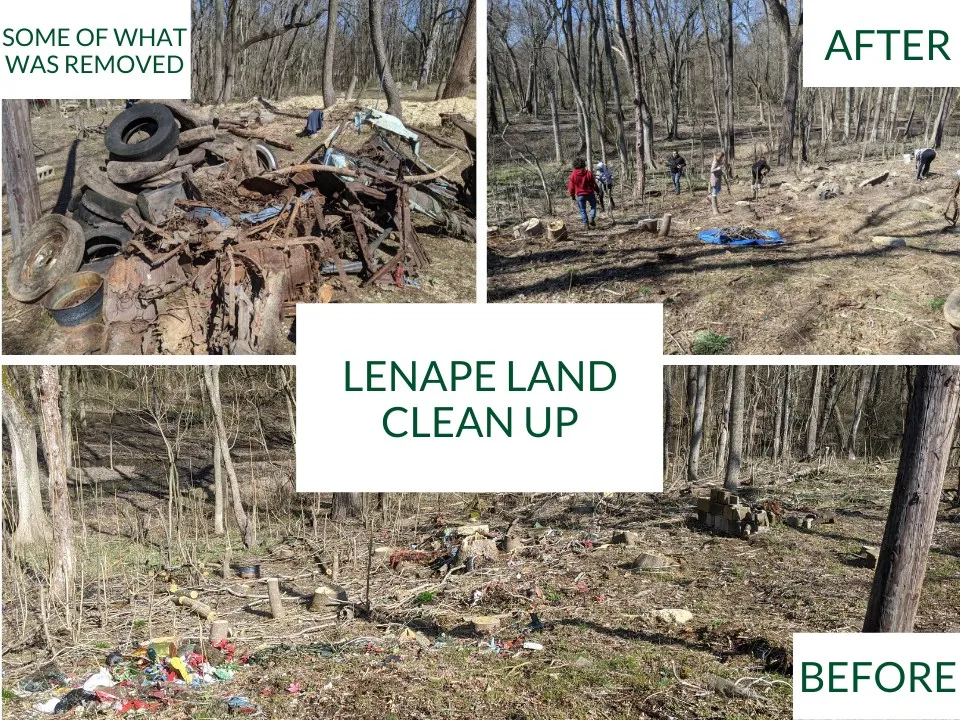
The LITD reacquired their first half-acre of property in the nineties after it was purchased sight unseen by flippers, who then donated the property to the Tribe when they saw that it lacked value. The land was in horrible condition; it was used for decades as a midnight dump and the natural landscape was overrun with invasive plants. However, the local Lenape community and their neighbors wanted to make an example of this land and show that they could be good stewards even of degraded property, when given the chance.
“Our future held the possibility of having some land returned to us. And so we thought it prudent to demonstrate that we could be good stewards of land if we had access to it. So as an effort to demonstrate our sovereignty, by reclaiming this piece of land that had just been abused and cast to the side, we decided to rehabilitate it,” Chief Coker said.
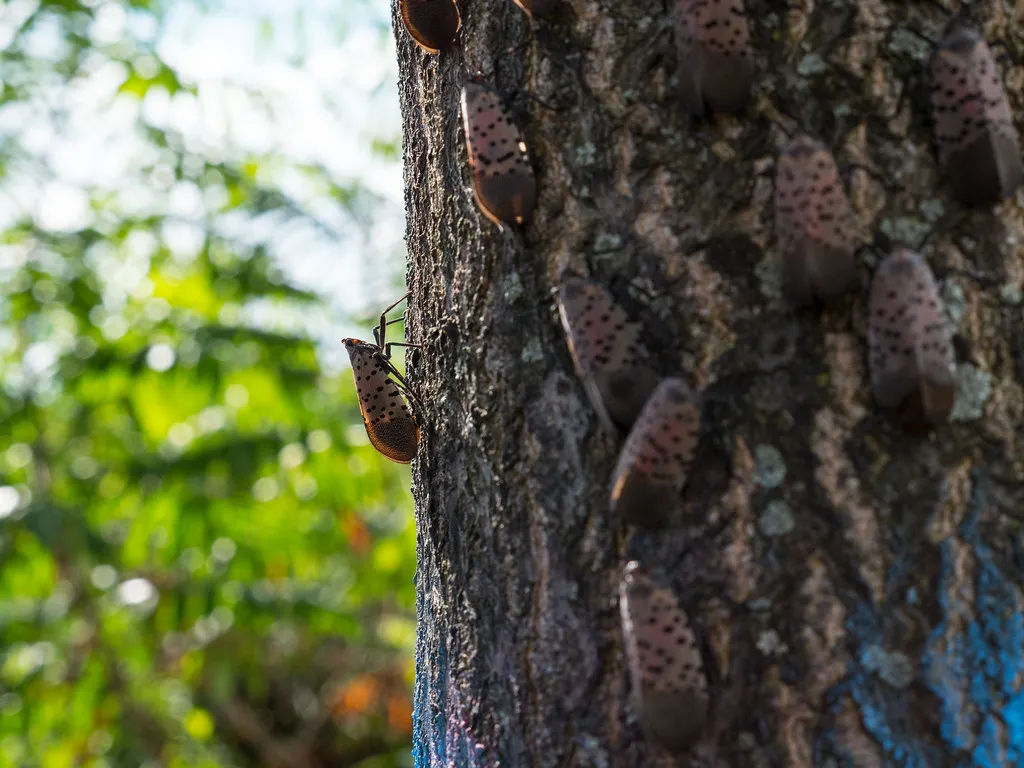
Restoring the half-acre was no easy task. It started with volunteers from the Lenape cultural mapping project based at the cemetery at the village of Fork Branch. They worked little by little to restore the property. More volunteers became interested in this restoration project, including students and professors from the University of Delaware. People worked together to restore the land. First, by getting rid of all the garbage, including some two hundred tires that were pulled out from the property’s river bank. Then, by removing invasive species so that native plants could have an opportunity to grow. Just because something is green doesn’t mean that it’s good: the half acre was infested with ailanthus, or tree of heaven, trees that are the host plant for the destructive spotted lantern flies. Uprooting these ailanthus trees and other invasives is an ongoing effort.
The hard work did pay off and the property even has a woodland story circle for everyone to enjoy. The LITD has worked for three years with University of Delaware landscape architecture students to create an edible garden of native plants. These plants are planted in guilds, so that they can work symbiotically to grow and support each other. This half acre is proof that land restoration, community engagement, and collaboration between organizations are all possible. And this half acre is only the beginning of something much bigger.
The LITD has received another donation of eleven acres of land from the Conservation Fund. However, this larger property is a brownfield, meaning that it is contaminated with toxic chemicals, in this case heavy metals. In order to restore this property and make it into a place where food can be grown or children can play, the toxic chemicals need to be taken out of the soil. It is now the responsibility of the Tribe to clean up property they did not pollute in order to continue to prove that they are capable stewards of their ancestral lands.
“Giving land back is complicated. And it feels overwhelming to people. So how does the Tribe prepare to receive land back? And how do good citizens help?” RuthAnn Purchase, LITD Cultural Mapping Program Manager, said.
Restoring degraded lands is challenging for environmental scientists, let alone for people who historically have had less access to resources like higher education and generational wealth. The local Tribe is now building capacity for stewardship so that they can take on the challenges of restoring this larger degraded property, despite a lack of resources.
Why do the Lenape not have as many resources if this is their homeland? Colonization. Europeans arrived and brought the Doctrine of Discovery with them. This doctrine gave the Church’s blessing to international corporations wishing to claim the “New World” as their own by any means necessary, including extermination. In 1823, the United States Supreme Court used language from this doctrine to set a precedent that Native Americans could not own land, only occupy land, since they were not European males. Colonizers were able to profit from buying and selling property, while many Natives were pushed to reservations on arid or cold lands. Many Lenape Tribal groups are scattered across the diaspora especially in Oklahoma, Wisconsin, and Ontario Canada. But the Lenape Indian Tribe of Delaware is still here.
Native American past has been filled with adversity, but the future doesn’t have to be that way. Through public education, we can acknowledge the wrongdoings of the past. For instance, the Lenape who believed all life is sacred were persecuted for that belief and not given religious freedom until 1978. We must give people opportunities to work together with the local people for our planet’s future. The health of native biodiversity is intrinsically related to the health of native people’s communities, and this must be considered as biodiversity continues to be threatened on a global scale. Humanity has a long way to go in order to restore our lands and solve the problems we have caused for ourselves. We can learn from the Lenape and take this daunting task on humbly, one half-acre at a time.
“There is a lot of work to do in helping Mother Earth cleanse herself. Because I think she's going to do that regardless of how much help we give her. But, if we leave it up to her we may not be very happy with the outcome because she could shake us off like water off a dog. Humans could be gone, but the Earth will continue” Chief Coker said.