By: Marissa McClenton
This week is Delaware’s first Heat Awareness Week, and what better way to celebrate than learning about the ways that we can build our future’s to protect our most vulnerable communities from a warming world.
Like many of the impacts of climate change, extreme heat puts a huge magnifying glass on our society, amplifying the issues that already exist and metaphorically burning us to a crisp if we don’t act accordingly. The good news is, we have decades of climate science and environmental justice advocacy that show us what we have to do to address extreme heat in a way that doesn’t repeat the harms of today into the future.
The Delaware Climate Action Plan, released in December of 2025, is a great resource for understanding what a hotter Delaware looks like. With annual temperatures already 3 degrees higher than in 1895, and an anticipated 35 more days a year reaching temperatures over 90 degrees by the end of the century, it is crucial that we pay attention.
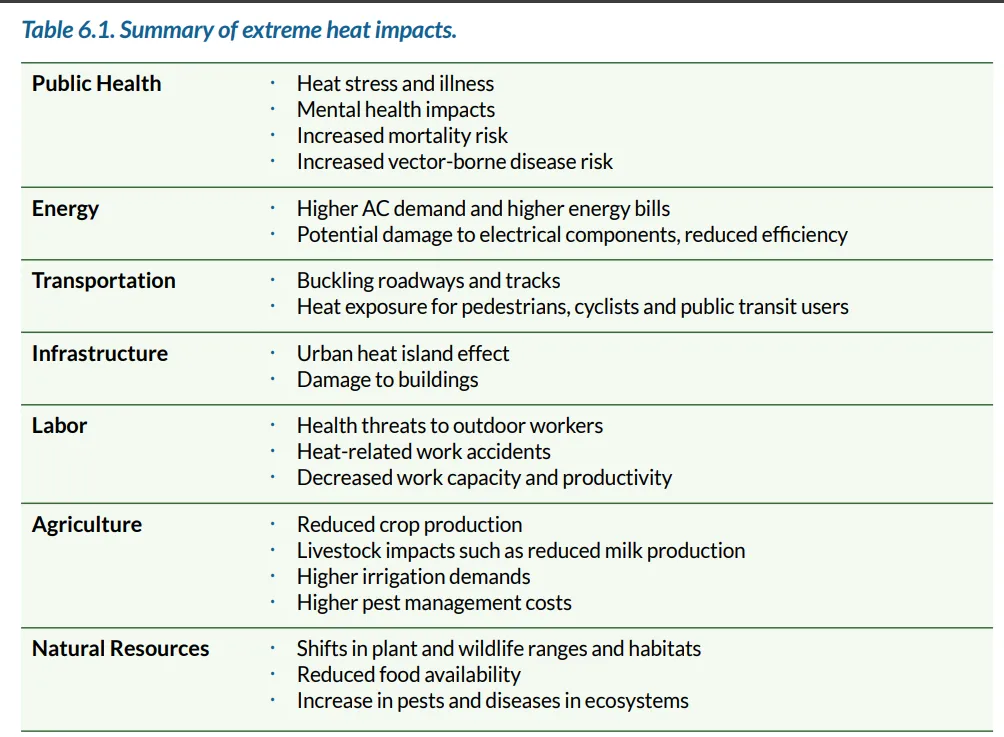
We know that this heat is more likely to negatively impact communities that are already overburdened. The Climate Action Plan highlights “Black, Indigenous and other people of color,
as well as low-income households, are more likely to live near sources of air pollution or in
flood-prone areas and to have less access to amenities such as urban green space.” This lack of green space also includes shade trees along sidewalks in downtown areas and where people gather. A walk through town on a hot day shows you quickly the cost of not investing in green space, urban tree cover, and the maintenance and community involvement required to make these pleasant experiences for everybody.
In addition to this, our unhoused neighbors are some of the most vulnerable, so it is crucial that cooling centers are located near where they gather and that they are offered wraparound services. We also need real investment in housing that is safe and dignified to give folks real relief and support.
For elderly residents and households with small children, this means strengthening protections from utility shutoffs and programs that provide air conditioning. It means advertising these programs where they already receive help and tying eligibility to existing social support programs like SNAP and LIHEAP. Last year, the Delaware legislature took several steps towards this end, but there is still lots of opportunity to perfect it.
Planning for a hotter Delaware means baking heat awareness into how we plan where we live and how we get around. This can look like programs that provide green or white roofs, guaranteed air conditioning, and tightening up requirements for rental housing to have functioning AC leading up to the summertime. When we look at our transportation system and housing patterns, shorter commutes through denser, more connected housing means less exposure to extreme temperatures as folks make their way through their day. Amenities that are otherwise seen as luxuries or “nice to haves" like bus benches, water fountains, public restrooms, bus shelters, or electronic signage can go a long way in sweltering heat and make our lives more enjoyable when temperatures rise.
During this Heat Awareness Week, it also feels important to highlight the role that relationships, or social capital, play in how folks survive extreme heat events. Caring for one another, checking in on elderly neighbors of your community member with young kids, is a simple way to catch signs of heat related illness before it is too late.
You can check out the types of heat related illnesses and the signs to help recognize them here on the CDC’s website. By familiarizing ourselves with these symptoms, we can be more effective and caring citizens, which is one of the best ways to beat the heat.
Delaware Heat Awareness Week comes out of a collaboration between Senior Capstone students at the University of Delaware, Shweta Arya, Vice President of the Mid-Atlantic Alliance for Climate and Health, and Dr. Vaishnavi Tripuraneni, the instructor for the course who gathered community partners to work with students on meaningful community projects. You can learn more about DE Heat Awareness Week on their website here.