by Denise Yaffe, PhD, P.E
Introduction
California has implemented various recycling and waste reduction initiatives to achieve ambitious goals for reducing landfill waste and promoting resource recovery. Recycling waste plays a crucial role in preserving the environment, reducing landfill usage, and supporting a sustainable economy. This guide provides information on how to manage the recycling practices of waste generated in California, specifically in San Luis Obispo County. It outlines best practices, relevant regulations, and practical steps for effective recycling.
California’s Waste Streams
California generates millions of tons of waste annually, much of which can be diverted from landfills through recycling, composting, and reuse. In 2022, California generated approximately 76 million tons of waste, with 59% (45 million tons) being disposed of and 41% (31 million tons) being recycled. Of the waste disposed of, 53% (40.5 million tons) was landfilled, with 7.8 million tons or 19.6%, representing single-use plastic packaging and single-use plastic food service ware. (CalRecycle 2022 State of Disposal and Recycling Report 2/8/2024)
The state’s waste streams typically consist of:
- Beverage containers (glass, plastic, aluminum)
- Paper products (newspapers, office paper, cardboard)
- Plastics (bottles, packaging, bags)
- Organic waste (food scraps, yard trimmings)
- Electronics (computers, phones, batteries)
- Household hazardous waste (paints, chemicals, fluorescent bulbs)
- Textiles (clothing, linens)
Recycling Laws and Programs in California
California’s recycling laws and programs are reducing the amount of waste disposed of in landfills.
- Bottle Bill (AB 2020): This act incentivizes the recycling of beverage containers through a redemption program, making recycling accessible for consumers. It created the California Redemption Program
- California Redemption Value (CRV): Consumers pay a small deposit on most beverage containers, which are refunded when the container is recycled at a certified center.
- Mandatory Commercial Recycling (AB 341): Businesses and public entities must separate recyclables from their trash and ensure proper recycling.
- Organics Recycling State Laws (AB 1826 and SB 1383): These laws address organic waste, requiring commercial entities and local governments to separate food scraps and yard trimmings from regular trash. SB 1383 sets aggressive targets for reducing methane emissions by requiring the recovery of edible food and the recycling of organic waste.
- Responsible Textile Recovery Act of 2024: This law holds the apparel and textile industry responsible for making sure their products get collected, repaired, reused, and recycled.
- Plastic Pollution Prevention and Packaging Producer Responsibility Act SB 54. This law addresses plastic pollution at the source. It requires all single-use packaging and foodware to be recyclable or compostable by 2032. The law also mandates a 25% reduction in single-use plastic packaging and shifts responsibility for managing plastic waste to producers, incentivizing companies to redesign products and packaging for sustainability.
- This law creates an extended producer responsibility (EPR) program to reduce single-use packaging and plastic single-use food serviceware in California, while ensuring the covered material is recyclable or compostable and that it meets certain recycling rates.
- Electronic Waste (E-waste) Recycling: E-waste is banned from landfills. Special drop-off sites collect electronics for safe recycling. It ensures items like computers, televisions, and cell phones are properly recycled, preventing hazardous materials from contaminating soil and water.
- Household Hazardous Waste Collection: Counties and cities operate collection days for items like batteries, paint, and chemicals.
Benefits of Recycling
The benefits of recycling are listed below.
- Environmental Protection: Recycling conserves natural resources, reduces pollution, and helps mitigate climate change.
- Landfill Diversion: By recycling, we reduce the amount of waste sent to landfills, preserving space and minimizing environmental impact.
- Economic Benefits: Recycling supports local jobs and industries that process reusable materials.
- Community Well-being: Cleaner neighborhoods and public spaces enhance the quality of life for all residents.
Understanding Recycling in San Luis Obispo County
Recycling in San Luis Obispo County is overseen by CalRecycle (California Department of Resources, Recycling, and Recovery), San Luis Obispo County Integrated Waste Management Authority, and private service providers. The county’s goal is to divert as much material as possible from landfills by encouraging residents to recycle, compost, and safely dispose of hazardous items.
San Luis Obispo County hosts regular workshops, school programs, and public outreach events to promote recycling and sustainability. Residents are encouraged to participate, learn, and share best practices.
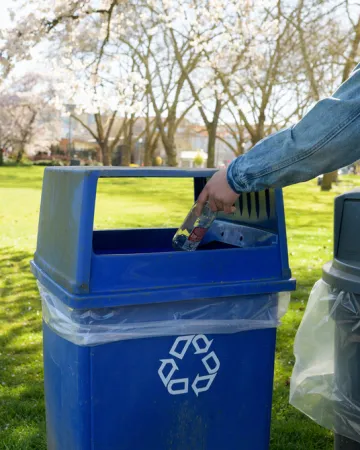
What Materials Can be Recycled?
Most curbside recycling programs in San Luis Obispo County accept the following items:
- Paper: Newspapers, magazines, office paper, cardboard, paperboard boxes.
- Plastics: Bottles, jugs, tubs, containers labeled with recycling codes #1, #2, #5, and #7 (check local guidelines).
- Glass: Clear, brown, and green glass bottles and jars (rinse before recycling).
- Metals: Aluminum cans, tin and steel cans, empty aerosol cans.
It is important to note that recycling guidelines may vary between municipalities. Always check with your local waste management provider for specific instructions.
What cannot be recycled?
- Plastic bags and wrappers
- Take plastic bags to the designated drop-off locations: Target Store, Ralphs, and other grocery stores.
- Cereal bags and box liners, popcorn bags, chip & snack bags
- Single-use plastics (containers, utensils, cups, straws)
- Coffee bags, frozen food bags, frozen food boxes, frozen food trays
- Juice boxes, Milk/juice cartons, Paper cups, nut cans, meat packaging
- Waxed cardboard, Takeout containers (wax or plastic-lined paperboard)
- Tetra-Pak Cartons,
- Styrofoam and Polystyrene products
- PVC Plastic #3, LDPE Plastic #4, plastic coat hangers, Rigid Plastic #6, diapers
- Food-soiled paper (see section on green waste and composting)
- Broken glass or ceramics
- Electronics and batteries (see section on e-waste recycling)
- Household Hazardous Waste (see section on household hazardous waste disposal)
Curbside Collection Services
Most residents in San Luis Obispo County have access to curbside collection services for recycling, trash, and green waste, using a three-bin system: blue for recyclables, green for organics, and black or gray for landfill. Check with your local waste hauler or municipal website for specific details about what is accepted, pickup schedules, and sorting requirements. The county is served by providers such as San Luis Garbage, South County Sanitary, and Paso Robles Waste & Recycle.
How to Prepare Recyclables:
- Empty and Clean: Rinse containers to remove food or liquids.
- Separate: Place recyclables in your designated recycling bin, keeping them loose (not bagged).
- Shredded paper must be packaged in a clear plastic bag.
- Flatten: Collapse cardboard boxes to save space.
- Review: Check for non-recyclable items and remove them.
Green Waste and Composting
San Luis Obispo County strongly encourages composting of organic waste to reduce landfill disposal and produce valuable soil amendments. Use the green bin for the following:
- Yard trimmings, grass, leaves, and small branches.
- Food scraps, coffee grounds, and pet food
- Food-Soiled paper (coffee filters, pizza boxes, paper napkins, paper towels, paper tea bags, paper bags)
- Bones, wood chopsticks and skewers, fresh flowers, pumpkins
- Avoid placing plastics, pet waste, or non-organic materials in the green bin.
Electronic Waste (e-waste) Recycling Program
California, which generates 550,000 to 700,000 tons of electronic waste annually, prohibits the disposal of e-waste in landfills. Electronics recycling reduces hazardous waste by preventing toxic metals like lead, mercury, and cadmium from contaminating landfills and recovering valuable materials that can be reused in manufacturing.
CalRecycle reported that about 344,000 tons of e-waste generated in 2021 were disposed of in landfills. Currently, monitors, TVs, and laptops have a recycling rate of 70-80%, while cell phones and other electronic devices have recycling rates estimated at 13% (2024 data) and 30-40%, respectively.
According to CalRecycle, recycling one million laptops saves enough energy to power over 3,000 homes in California for a year.
- Electronic Waste (E-Waste): Computers, TVs, cell phones, office equipment, DVDs, LCDs, VCRs, and stereo equipment, small appliances, and other electronics contain hazardous materials and must be dropped off at designated e-waste centers.
- Electronics retailers in SLO County accept e-waste, like Best Buy, Staples, Target Store, and Office Max/Office Depot.
- Batteries and Light Bulbs: Look for retailer drop-off bins or hazardous waste events. Retailers like Home Depot and Miner’s Ace Hardware will accept spent batteries and light bulbs.
Household Hazardous Waste Disposal
Certain items pose environmental and health risks if not properly handled. The Integrated Waste Management Authority (IWMA) runs regular collection events for these items—never place them in regular trash or recycling bins. Never pour hazardous chemicals down drains or throw them in trash bins.
Residents should use hazardous waste collection events and facilities for:
- Pesticides, herbicides, fertilizers
- Motor oil and automotive fluids
- Paints, solvents, and cleaning chemicals
- Old medications (take to pharmacies)
Locations of facilities for household hazardous waste and e-waste drop-off are listed below. Drop-off hours are usually Saturday, 11 am – 3 pm.
- Morro Bay Household Hazardous Waste Facility – 160 Atascadero Road, Morro Bay.
- Nipomo Household Hazardous Waste Facility – 509 Southland Street, Nipomo.
- Paso Robles Landfill – 9000 CA Hwy. 46 East, Paso Robles
- Cold Canyon Landfill Household Hazardous Waste Collection Facility – Hwy 227 San Luis Obispo (for extended hours, call 805-549-8332)
Waste Reduction – Reduce, Reuse, and Donate
Recycling is not the solution to reducing waste. First, it is best to reduce waste by using reusable items and donating usable goods. Donating items extends their life and benefits the community. Consider giving furniture, clothing, books, and appliances to local charities or thrift stores. Many organizations offer free pickup or convenient drop-off locations.
Substitute single-use plastic items, which are designed to be used once and then discarded, with reusable products, such as grocery bags, water bottles, stainless steel straws, and utensils. Take your own containers to restaurants for leftovers. Single-use plastics are used for packaging food items and consumer goods. Products with minimal packaging and bulk purchase options tend to reduce overall waste.
Tips for Effective Recycling
- Stay informed: Recycling rules can change; check your provider’s website regularly.
- When in doubt, throw it out: Non-recyclable items in the blue bin can contaminate the recycling stream.
- Keep recyclables clean and dry.
- Except for shredded paper, don’t bag your recyclables—place them loose in the bin.
- Shredded paper must be packaged in a clear plastic bag.
- Educate your household members about proper recycling practices.
- Reduce first, reuse second, recycle third—minimizing waste generation has the greatest impact.
Recycling Contacts and Resources
- Integrated Waste Management Authority (IWMA): Provides comprehensive county-wide guidance and event calendars. They provide a recycling guide and information on managing green (organic) and hazardous waste, including e-waste, for residents and businesses. Their website is San Luis Obispo County Integrated Waste Management Authority (https://www.iwma.com).
- San Luis Garbage Company (Residential Trash, Recycling and Organics | San Luis Garbage) and other local haulers: Offer service details and recycling tips.
- City and County Websites: List locations, hours, and accepted materials for recycling centers and hazardous waste events.
- CalRecycle: The state’s official resource for recycling information, facility locators, and program updates. Their website is CalRecycle Home Page (https://calrecycle.ca.gov)
- Earth911: Provides a search tool for recycling centers by zip code. Their website is Earth911 - More Ideas, Less Waste (https://earth911.com)
Retailers: Many stores accept electronics, plastic bags, and batteries for recycling.
Conclusion
Recycling waste in San Luis Obispo County is a collaborative community effort, founded on clear guidelines and a commitment to environmental stewardship. The goal is to minimize waste sent to landfills and prevent pollution to the environment by improper disposal. Recycling is the best resource recovery option when items can’t be reused or donated. By correctly sorting materials, using local services, and participating in community programs, residents can contribute to maintaining the county’s environment and supporting sustainability efforts. Whether you are a longtime local or a newcomer, embracing responsible recycling ensures that San Luis Obispo remains a model of environmental consciousness for generations to come.