By Coco Jimenez
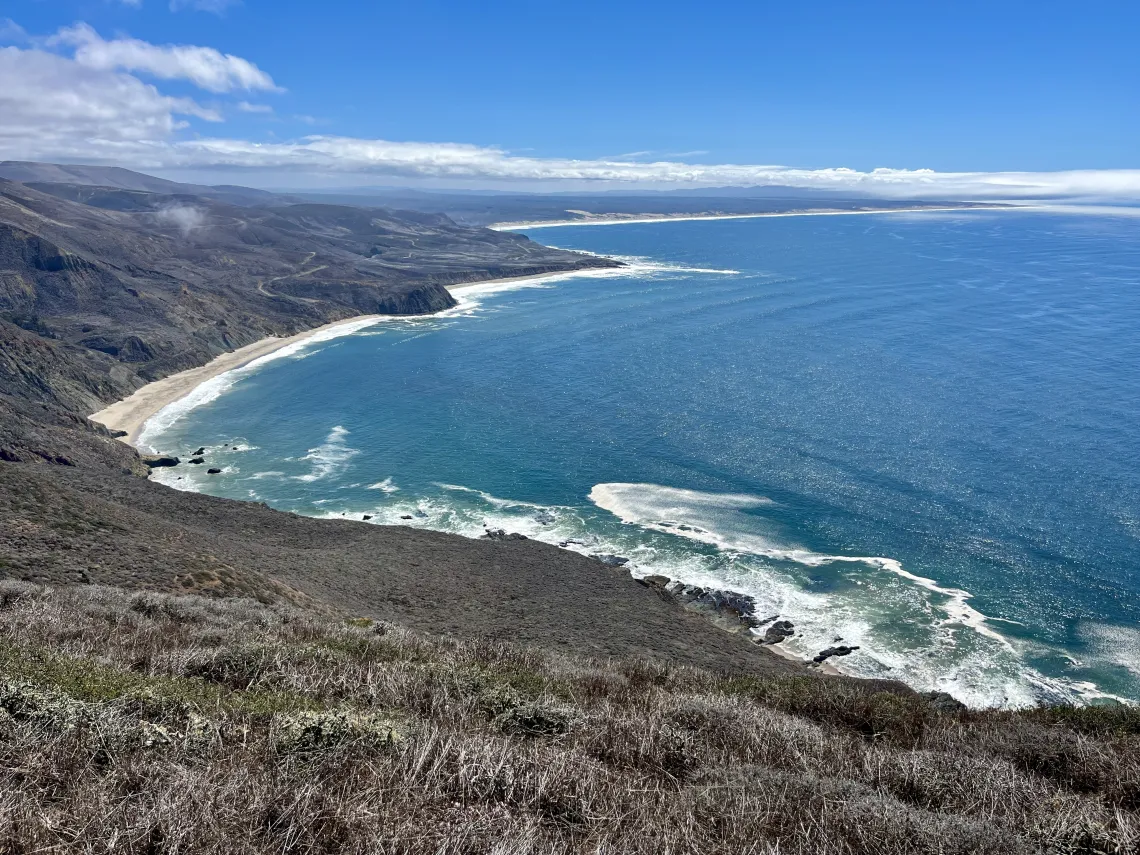
I first learned about the effort to protect Point Sal in a place I never expected: my job at the UPS Store in Nipomo.
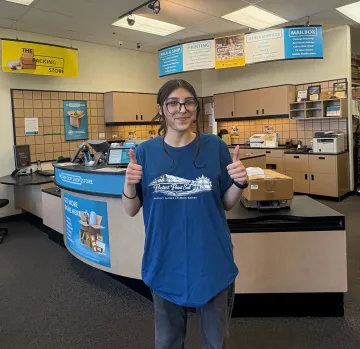
Herb Kandel, who is deeply involved in our local Nipomo and Santa Maria communities, was printing flyers about the proposal to establish Point Sal as a State Marine Conservation Area. I recognized the place immediately because I had hiked at Point Sal before, and seeing the flyer made me curious about what was happening. Herb explained that the Northern Chumash Tribal Council and community members were working to protect the waters around Point Sal and that there would be an opportunity for members of the public to testify before the California Fish and Game Commission. For me, it was a meaningful opportunity to support a place close to home.
I felt an obligation to get involved because Point Sal is more than a beautiful place to hike, fish or visit. The area supports an ecologically rich coastal environment, including rocky reef habitats and marine wildlife. The proposal also recognized the cultural importance of the area to the Chumash people and would strengthen Chumash stewardship of their ancestral waters. Point Sal was one of several tribally-led marine protected area proposals considered as part of California's first-ever decadal review of its Marine Protected Area network.
As the October 2026 Fish and Game Commission meeting approached, one of the most difficult challenges was getting people to testify at the hearing. Gianna Patchen and the Sierra Club organized community members who wanted to participate in person and helped them get all the way to Sacramento. The Natural Resources Defense Council (NRDC) supported travel and lodging for community members who drove 5-7 hours to be there.
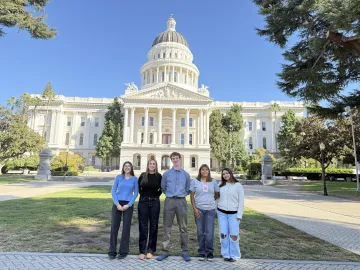
Seeing the dedication from the community leaders and other participants, I wanted to help bring more people from my own community to participate, especially students. I shared this incredible opportunity with my Allan Hancock College Student Body Government and talked about why it is important for students to get involved in public policy and environmental protections here in our community. I wasn't sure if any other students would know Point Sal or even sign up for the trip. I was hoping other students would also recognize this unique opportunity – and to my surprise, they did!
I was amazed that eight Allen Hancock students signed up, and most gave public comment. Seeing so many people from our community show up was one of the most meaningful parts of the experience.
Testifying in person before the Fish and Game Commission on decision day was a very different type of public speaking experience than anything I had done before. The night before, I wrote down what I wanted to say and practiced it out loud in front of my fellow classmates. I was nervous about standing in front of the commissioners, but I kept thinking about why I was there. Point Sal is a place that I had personally visited, and I wanted to help protect it alongside almost every single person in that room.
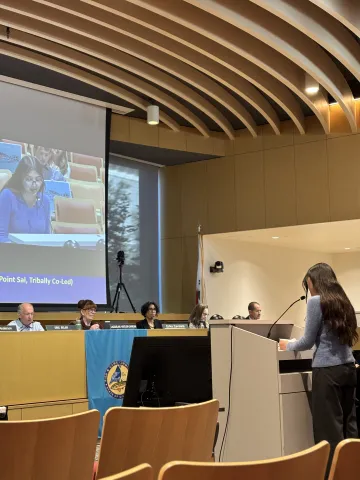
When I finally gave my testimony, I spoke about the beauty of Point Sal and how meaningful it was to see so many community members come together to protect it. I was one voice among many, but hearing testimony after testimony made it clear that I was part of something much bigger than myself.
The trip to Sacramento was long, but by the end, it was completely worth it.
On October 15, the California Fish and Game Commission unanimously voted to approve not only the Point Sal State Marine Conservation Area. We celebrated alongside Santa Barbara activists who advocated for the Mishopshno State Marine Conservation Area that also passed. NRDC described the two areas as the first new Marine Protected Areas approved by the state since 2012 and the first successful proposals in California's MPA network put forward by California Tribes.
I remember how happy everyone was when the decision came, applause filling the room. After spending so much time traveling, preparing testimony, recruiting students, and listening to hours of public comment, it was incredible to finally see the proposal move forward. Personally, the experience also changed what community involvement means to me. Before this, I might have thought that making a difference required being an expert or having an official position. Instead, I learned that sometimes it starts with simply seeing a flyer, asking a question, and deciding to show up.
And the story doesn't end with the vote.
After returning home, some of the friends who made the trip and I started talking about going back to Point Sal together, not for a hearing this time, but for a hike. We want to experience the place again, knowing that we helped play a small part in protecting its waters.
I first learned about Point Sal because I saw a flyer at work, but I ended up traveling to Sacramento to speak about why it mattered. Now, I am planning to return there with friends and that might be my favorite part of this whole experience.
Point Sal was already a place close to home. Now it is also a reminder to me of what can happen when people in a community decide to show up.