By Woody Smeck, Santa Lucia Chapter Wilderness Coordinator
When the U.S. Forest Service (USFS) proposed rescinding the 2001 Roadless Area Conservation Rule, Americans responded in extraordinary numbers. By the close of the public comment period on October 6, more than one million comments had been submitted, making this one of the largest public responses to a federal public lands proposal in recent history. The message was unmistakable: the overwhelming majority of commenters want the Roadless Rule kept in place.
The Roadless Rule currently protects approximately 45 million acres of national forest lands from most road construction, motorized travel, and commercial timber harvesting. These remaining roadless areas provide critical wildlife habitat, protect drinking water supplies, offer outstanding recreation opportunities, and preserve some of the nation’s last intact forest ecosystems.
What Did the Public Say?
Analysis of the public record by Center for Western Priorities found that more than 99% of comments opposed repealing the Roadless Rule. One review counted 1,197,510 comments, letters, and signatures submitted during the comment period. Of those, 1,190,695 opposed repeal, while only 2,137 supported it.
Comment themes reflected why people value roadless forests. Wildlife and habitat protection appeared in 85% of comments containing text. Drinking water and watershed protection appeared in 78%, recreation in 57%, logging and timber issues in 48%, and wildfire concerns in 44%.
Who Supported Repeal?
The relatively small number of organizations supporting repeal came primarily from extractive industries and allied trade associations. Of the 95 organizations and government entities supporting rescission, many represented timber, mining, energy, grazing, and motorized recreation interests. Counties and local governments seeking fewer restrictions on development also comprised a significant share of repeal supporters.
A Grassroots Movement
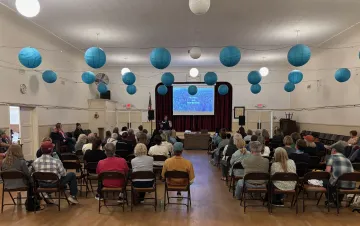
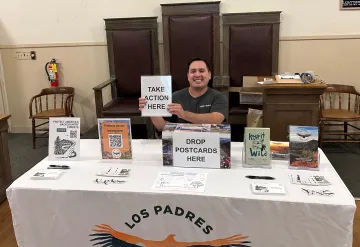
The campaign to defend roadless forests was driven by local organizing across the country. Sierra Club chapters, public lands advocates, outdoor recreation groups, and community organizations hosted town halls, distributed educational materials, organized letter-writing campaigns, and encouraged public participation. Sierra Club leaders noted that participation reached or exceeded levels seen during adoption of the original rule in 2001.
Here on the Central Coast, the Santa Lucia Chapter contributed through public outreach, a Roadless Rule town hall attended by more than 60 people, comment-writing events, and advocacy with elected officials.
What Happens Next?
With the public comment period now closed, the Forest Service must review comments and prepare a Final Environmental Impact Statement and final rule decision. The agency has not announced a specific publication date for the final rule. Based on the normal federal rulemaking process, a final decision is expected only after review of comments and completion of environmental analysis. A decision will likely not be issued until Summer 2027 at the earliest.
How Will Sierra Club Respond?
Sierra Club and partner organizations have emphasized that public comments are only one step in protecting roadless forests. Conservation groups will continue public education, advocacy, and monitoring of the rulemaking process. If the Forest Service ultimately rescinds the rule, organizations including Sierra Club, Earthjustice, The Wilderness Society, National Audubon Society, Tribal organizations, and recreation groups are expected to evaluate legal, administrative, and legislative responses.
For now, supporters of roadless forests can celebrate an extraordinary demonstration of public engagement. Twenty-five years after its adoption, the Roadless Rule continues to enjoy overwhelming public support. More than one million comments have reaffirmed that Americans believe some of our most important national forests are worth keeping wild.