By James Powers
Our poor little hybrid had given it all. It had survived 15 years of marginal roads, muddy dogs and two teenagers with learner's permits. After nearly 200,000 miles, it was donated to charity. We were retired and it was time to head to sunny CA! We decided we would downsize to just one car, so it had to be versatile. First and foremost, it would have to be comfortable and fun to drive. It would mostly be used for knocking around town, although we would occasionally take it out for long trips down the coast. We wanted to be able to make "big" trips to Costco and still fit everything inside. Lastly, we wanted to minimize our carbon footprint. When we considered all the options, we knew it was time for us to go electric!
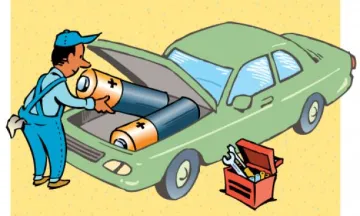
It was a difficult choice since there are numerous, well-reviewed EV models. We finally settled on the Subaru Trailseeker. It’s fantastic; fast, easy to drive and it contains all the newest technology. After several months of enjoyment, however, we found it dead in front of our house. We had parked it with 100+ miles left in the batteries, so what happened? Little did we know we would soon be reaching for some jumper cables…
Electric vehicles have two separate electrical systems. The primary is the high voltage system, which provides power to the electric motors. This high voltage is produced by the large battery pack in the vehicle and typically runs in the 400-900 volt range. Given the large amount of power contained in the battery pack, numerous safety systems are in place to protect the passengers and anybody who works on the vehicle. The secondary system is a low voltage set up, which utilizes a 12V battery. This 12V system powers such things as door locks, electric windows, defrosters and electrical control units throughout the car. However, the 12V system provides one critical function unique to EV. The 12V battery powers the relays that allow the high voltage system to deliver the power to the motors. If the 12V signal is removed, power is cut to the motors and the car becomes inoperable. This is a safety feature that reduces the chances a person will encounter high voltage.
The high voltage battery pack and the 12V battery are both charged simultaneously when the EV is plugged in. However, each car is unique when it comes to its behavior when it is sitting and not plugged in. If the 12V battery drains down for some reason, your EV acts just like a gasoline car. After all, it doesn’t matter how much gasoline is in the tank if the battery is dead and you can’t start it!
Once we understood the two electrical systems, we grabbed some jumper cables and jumped our EV just like we would a regular gasoline car. This is why I highly recommend you always carry a portable car battery jump starter in your EV. If not, you may find yourself on the side of the road, waiting for roadside assistance, or hoping for someone to come along with a pair of jumper cables...