Water is life, but not all water is safe for life. Right now, the Texas Commission on Environmental Quality (TCEQ) is revising the state’s Surface Water Quality Standards (SWQS), and this could determine how we protect water for us and for future generations.
Last summer, TCEQ started the SWQS revision process, which will result in the new 2026 SWQS. This is a somewhat long process, but here’s a quick rundown of what’s been happening so far: TCEQ collected public input through a preliminary comment period (read Sierra Club’s comments here) and held a stakeholder meeting on March 27 to update everyone on where things stand. The meeting had some important takeaways - let’s dive into it.
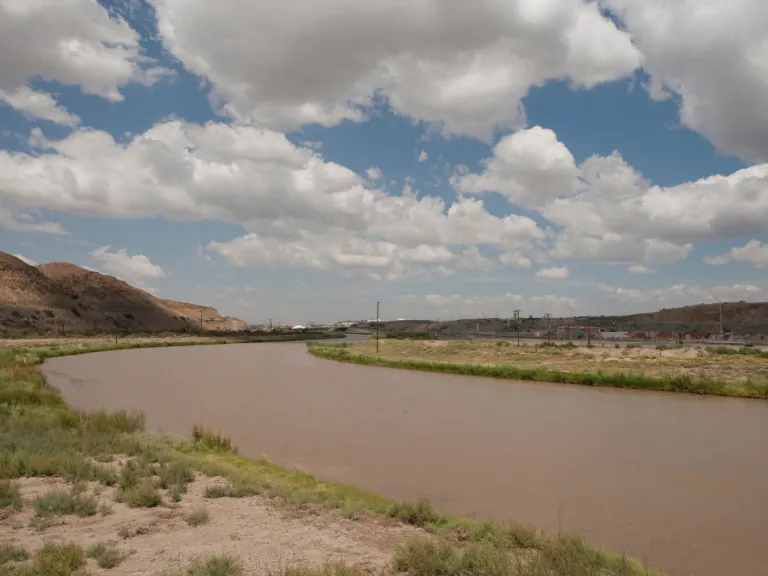
What’s Changing in the 2026 SWQS?
At the meeting, TCEQ shared several updates, including changes to toxic criteria, nutrient criteria, and recreational use standards, and representatives from various organizations along with concerned individuals got the chance to ask questions. One issue that took center stage - and one that’s been on many Texans’ minds recently - is standards for salinity.
Salinity Standards in Texas: Desalination Plants, Brine Discharges, and Coastal Ecosystem Risks
Texas is facing a growing water deficit, and to address this, seawater desalination is becoming an increasingly important solution. However, the byproduct of desalination - highly saline brine - poses a serious threat to our coastal ecosystems. The first large-scale desalination plant in Texas is being developed in Corpus Christi and will discharge 51.5 million gallons of brine daily into the Inner Harbor Ship Channel, which is hydrologically connected to Corpus Christi Bay and Nueces Bay. The concern is that changes in salinity caused by brine discharges in the channel can directly affect the health of these sensitive and very productive bays.
Unfortunately, the current standards for salinity in Texas are far from sufficient to protect our coastal ecosystems from the impact of the seawater desalination industry. At the meeting, TCEQ acknowledged the need for salinity criteria but stated that these will not be included in the current revision cycle. Instead, we can expect to see updated salinity criteria in the 2030 SWQS. In other words, while desalination plants are being approved and built right now, the regulatory framework to keep our coastal waters safe will be at least five years behind. On a positive note, some progress is being made, and sometime this summer TCEQ is planning to hold a stakeholder meeting specifically dedicated to the development of salinity standards.
If you’re concerned about the health of our bays and estuaries, you can take action by supporting HB 3728, a bill that would require TCEQ to prioritize the establishment of salinity standards. Learn more and take action here.
Oil & Gas Wastewater: A Toxic Gamble Without Standards
Another issue discussed at the meeting was related to oil & gas wastewater (produced water) discharges into Texas waterways. Produced water is wastewater from oil and gas operations. It is highly toxic, and we still don’t fully know what’s in it. TCEQ currently has six applications pending to discharge treated produced water into the Pecos watershed. Proponents argue that this will help maintain flows in rivers and streams, but we at Sierra Club strongly believe that we need more scientifically-backed information before we can determine if such discharges are safe.
While TCEQ is working on compiling a database of constituents in produced water, no standards for treated produced water discharges will be included in the 2026 SWQS revision. Meanwhile, there are bills in the legislature aimed at the reuse of treated produced water for agriculture (SB 1145 / HB 2584) and discharge into Texas waterways (HB 1808).
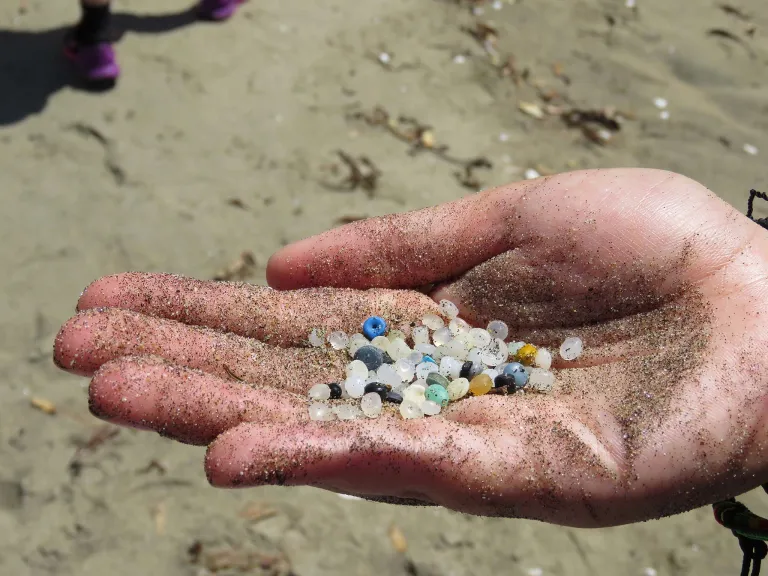
Plastic Pellet Pollution in Texas Waterways
Pre-production plastics - think of the tiny plastic pellets that are used to make everything from your shampoo bottle to your computer - are also a significant concern. There are at least 35 plastic production plants in Texas, and these facilities often accidentally spill plastic pellets into the environment during production and transportation. Once they make it into the environment, pre-production plastics are dangerous for wildlife and can even end up in our food chain.
While TCEQ proposed regulations for pre-production plastic pollution during the last SWQS revision cycle, industry pressure led to their removal. Fast forward to today, and no new standards to regulate pre-production plastic pollution are expected in the 2026 SWQS. However, this issue is on the table at the legislature, with HB 4028 / SB 2441 - two companion bills - that were filed to direct TCEQ to take action. You can read more about the plastic pollution problem in Texas here.
How to Take Action on Texas Water Quality Issues
So, what’s next? Sometime later this year or early next year, TCEQ will publish its proposed revisions to the SWQS in the Texas Register, opening a final public comment period. Following that, the new standards should be published in spring 2026.
The good news is, there are actions we can take today that can make a difference tomorrow. So, get involved, stay informed, and let’s protect our waters together! Sign the petition to urge TCEQ to better protect our rivers, lakes, and estuaries and the unique ecosystems that they support!