When we think about water pollution, we often picture a pipe dumping wastewater into a river. That’s called point source pollution, or pollution that comes from a source that is easy to identify, such as a wastewater treatment plant. The “point source discharges" are regulated through permits that limit what can be released and in what amounts.
But pollution doesn’t always have an obvious source that we can easily identify.
Sometimes, it starts with things we do every day. Fertilizer washes off a lawn after a heavy rain. Pet waste left on the ground ends up in a storm drain. Soil runs off a construction site or an eroding streambank. Oil and other pollutants from roads and parking lots get swept into nearby creeks with rainwater. On farms and ranches, runoff can carry sediment, nutrients, bacteria, and other pollutants into waterways.
All of that is called nonpoint source pollution (NPS pollution). After rainfall, water moves across the landscape as runoff, picks up pollutants along the way, and carries them into creeks, rivers, lakes, and eventually our bays and estuaries. Unlike pollution coming from a single pipe, NPS pollution can come from hundreds or thousands of small sources across an entire watershed, the area of land that drains into the same river, lake, or other body of water.
NPS pollution is known or suspected to contribute to 81% of water quality impairments in Texas, affecting thousands of miles of rivers and streams, along with lakes, reservoirs, wetlands, bays, and estuaries across Texas. And when water quality suffers, it can affect whether it's safe to swim in a creek, whether we can eat the fish we catch, whether aquatic life can survive, and the quality of water that communities depend on everyday.
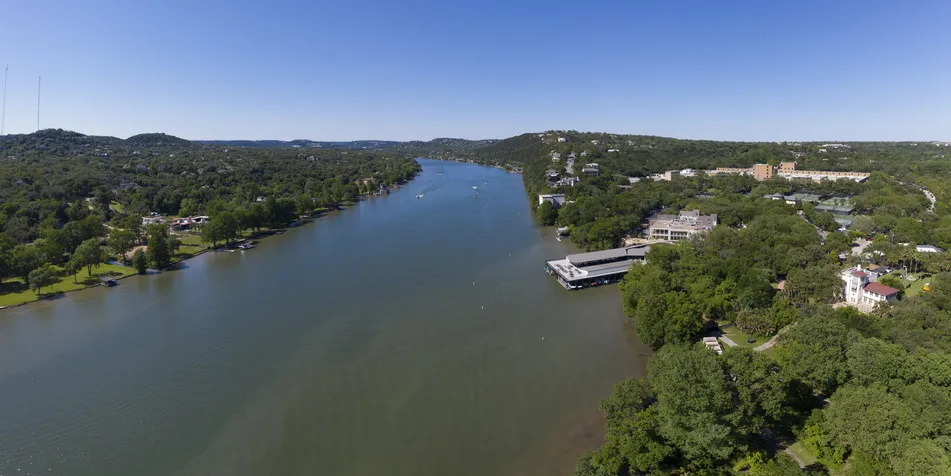
How Is NPS Pollution Managed In Texas?
NPS pollution in Texas is regulated through the Texas Nonpoint Source Management Program jointly administered by the Texas Commission on Environmental Quality (TCEQ) and Texas State Soil and Water Conservation Board (TSSWCB). TCEQ is responsible for urban and other non-agricultural NPS pollution, while TSSWCB leads efforts related to agricultural and forestry-related NPS pollution. Much of this work is supported by federal funding Texas receives through Section 319(h) of the Clean Water Act.
TCEQ also sets the Texas Surface Water Quality Standards, which establish how clean our waters need to be to support uses such as swimming, fishing, aquatic life, and drinking water supply. TCEQ assesses whether those standards are being met and publishes the Texas Integrated Report every two years. Waters that don’t meet applicable standards are placed on the 303(d) List of Impaired Waters, including those affected by NPS pollution. You can check the water quality status of rivers, lakes, and other waters near you using TCEQ’s Surface Water Quality Viewer.
Part of what makes NPS pollution difficult to manage is that there’s usually no identified discharge or polluter to regulate. Instead, much of the work relies on voluntary, locally driven projects such as:
- Watershed Protection Plans (WPPs), which bring local stakeholders together to identify pollution sources and ways to address them, and
- Total Maximum Daily Load (TMDL) projects, which establish how much pollution an already damaged water body can receive before it’s unable to meet water quality standards, while stakeholder-driven implementation plans lay out how those pollution reductions can be achieved.
Behind much of this work are voluntary best management practices (BMPs), like repairing failing septic systems, controlling erosion at construction sites, restoring vegetation along creeks and rivers, improving fertilizer and manure management, keeping livestock away from creeks, or reducing polluted stormwater runoff. You can see some of this work through TCEQ’s Nonpoint Source Project Viewer, which maps WPPs and other NPS projects across Texas.
Texas Just Reviewed Its NPS Pollution Program
States develop their nonpoint source management programs under Environmental Protection Agency (EPA) Section 319 Guidelines, and having an EPA-approved NPS program is important for remaining eligible for federal Section 319 funding. The state recently updated its 2027 NPS Management Program, and the Lone Star Chapter submitted comments on the draft of the program, highlighting several areas where we believe the draft fell short of EPA's updated guidance and could better address unique water quality challenges in Texas.
We also emphasized that this revision is an opportunity for Texas to improve its NPS program, not simply meet federal requirements. We focused our comments on three main issues: climate resilience, transparency, and the need to prioritize disadvantaged, underserved, and overburdened communities in NPS pollution management efforts. You can read our full comments here.
What Can You Do to Reduce NPS Pollution?
A lot of NPS pollution comes from everyday activities. Picking up pet waste, using fertilizer carefully, properly maintaining septic systems, keeping leaves and grass clippings out of storm drains, and preventing soil erosion are some of the ways to keep pollutants out of our waters. But Texas also needs more protective surface water quality standards, adequate funding to reduce NPS pollution, and more preventive efforts to protect clean waters before they become impaired.
Right now, TCEQ is revising the state’s Surface Water Quality Standards, and this is a great time for Texans to get involved! These standards affect how our waters are protected and how the state responds when water quality problems arise. If clean water matters to you, let TCEQ know you’re paying attention and want our rivers, lakes, and bays protected from pollution.