In 2025, the Texas Legislature passed Senate Bill 1145 which transferred permitting authority for land application of treated oil and gas wastewater (aka “produced water”) from the Railroad Commission (RRC) to the Texas Commission on Environmental Quality (TCEQ). The bill also directed TCEQ to develop implementation rules, including standards to ensure that land application is safe for surface water and groundwater. We wrote more about this issue here.
Earlier this year, TCEQ published proposed rules to implement SB 1145 and held a 30-day public comment period followed by a public hearing. The agency received 617 public comments from environmental organizations, oil and gas industry representatives, treatment companies, and individual Texans. According to TCEQ, commenters "expressed mixed support, requested further changes to the proposed rules, and recommended the commission limit the rulemaking to statutorily required changes."
The Lone Star Chapter participated in the public hearing and submitted written comments, along with individual comments from more than 170 Texans. We also worked with other environmental organizations through the Texas Living Waters coalition to prepare joint comments. Our main concern is that TCEQ is relying on rules originally designed for more familiar types of wastewater, such as sewage from homes and businesses, instead of developing standards that address the unique contaminants and risks associated with produced water. We also called for stronger monitoring, greater protections for nearby wells and waterways, clear definitions, and more opportunities for potentially affected communities to participate in the permitting process. You can read the Lone Star Chapter’s comments here and the Texas Living Waters comments here.
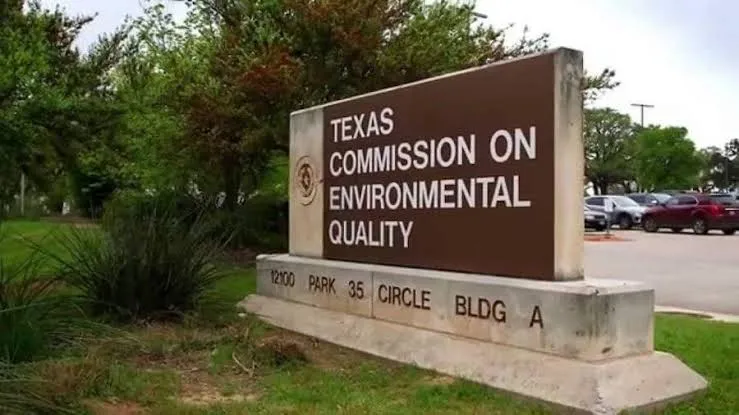
What Did TCEQ Say?
TCEQ recently published its responses to public comments along with a revised version of the rules. While the agency made several changes, most addressed the wording and applicability of existing regulations rather than the environmental and public health-related concerns that were raised in the public comments.
For example, we asked TCEQ to establish specific standards for contaminants that make produced water different from domestic wastewater, including heavy metals, radioactive materials, and other potentially toxic chemicals. We also raised concerns about contaminants accumulating in soil or reaching groundwater after repeated applications. In response, the agency pointed to its existing permitting process stating that it’s sufficient. TCEQ also mentioned that it can require testing, establish limits on pollutants, and impose additional monitoring requirements when reviewing individual permits.
We also questioned the proposed distances between land application sites and nearby water resources, including a 100-foot setback from surface waters and 150 feet from private water wells. We specifically asked how those distances were determined and why TCEQ considered them protective of the environment and public health. TCEQ explained that greater distances could be required depending on the site and retained those setbacks in the rules. However, the rules don’t address how TCEQ will determine when greater distances are needed.
We also asked TCEQ to define “treated produced water”, because the word "treated" tells us little about which contaminants have been removed or whether the water is suitable for a particular use. In other words, what contaminants must be removed for this toxic wastewater to qualify as treated? If only salts are removed, is it considered treated? TCEQ's entire response was: "The executive director declines to include a definition for produced water that is treated for beneficial use and land applied." No further explanation was provided.
Changes TCEQ Made In Response to Public Comment
TCEQ made several changes to the proposed rules, mostly related to consistent use of terminology. One of the more substantive changes was the addition of the following provision: "Additional site-specific requirements for the treatment and disposal of industrial wastewater, including disposal of produced water... may be established on a case-by-case basis." In other words, TCEQ may require additional protections when reviewing individual permit applications. This flexibility is useful especially since the chemicals found in produced water can vary considerably. However, the rules ultimately leave it up to TCEQ to determine when additional protections may be required and don’t prescribe any clear criteria for how the agency should make those determinations. TCEQ also acknowledged that it may develop additional standards through future rulemaking but offered no details or commitment.
Where Do We Go From Here?
The TCEQ’s responses overwhelmingly seemed to defend the agency’s draft rules or point to some protections that TCEQ might decide to require later on a case-by-case basis. Even our request to define “treated produced water” – the very wastewater TCEQ was given authority to regulate – was rejected without an explanation. This leaves us wondering whether this public comment period was a genuine opportunity to improve the rules or simply another box to check before moving ahead with a proposal TCEQ had already settled on.
We recognize that regulating treated produced water is complicated, especially while research on its treatment and reuse is still incomplete. That's why we asked TCEQ to pause the rulemaking, bring stakeholders together, and take more time to develop stronger rules. TCEQ declined to extend the public comment period and is moving forward with adoption, which is currently set for November 4. If adopted, the rules will provide the framework for reviewing and issuing permits to apply treated produced water on land for such purposes as agricultural irrigation or rangeland restoration.
None of this means that the public should stop speaking up.
The concerns raised by Sierra Club, other organizations, and hundreds of Texans are now part of the public record. While we didn't get the changes we hoped for, public participation remains important, especially when we're dealing with a new and complex issue like reuse of treated produced water outside the oilfield. Sierra Club will continue following how these rules are implemented, participating in permitting processes, and pushing TCEQ to address the concerns raised during this rulemaking. If you'd like to support our continued work to protect Texans and the environment, please consider making a donation to the Sierra Club Lone Star Chapter.