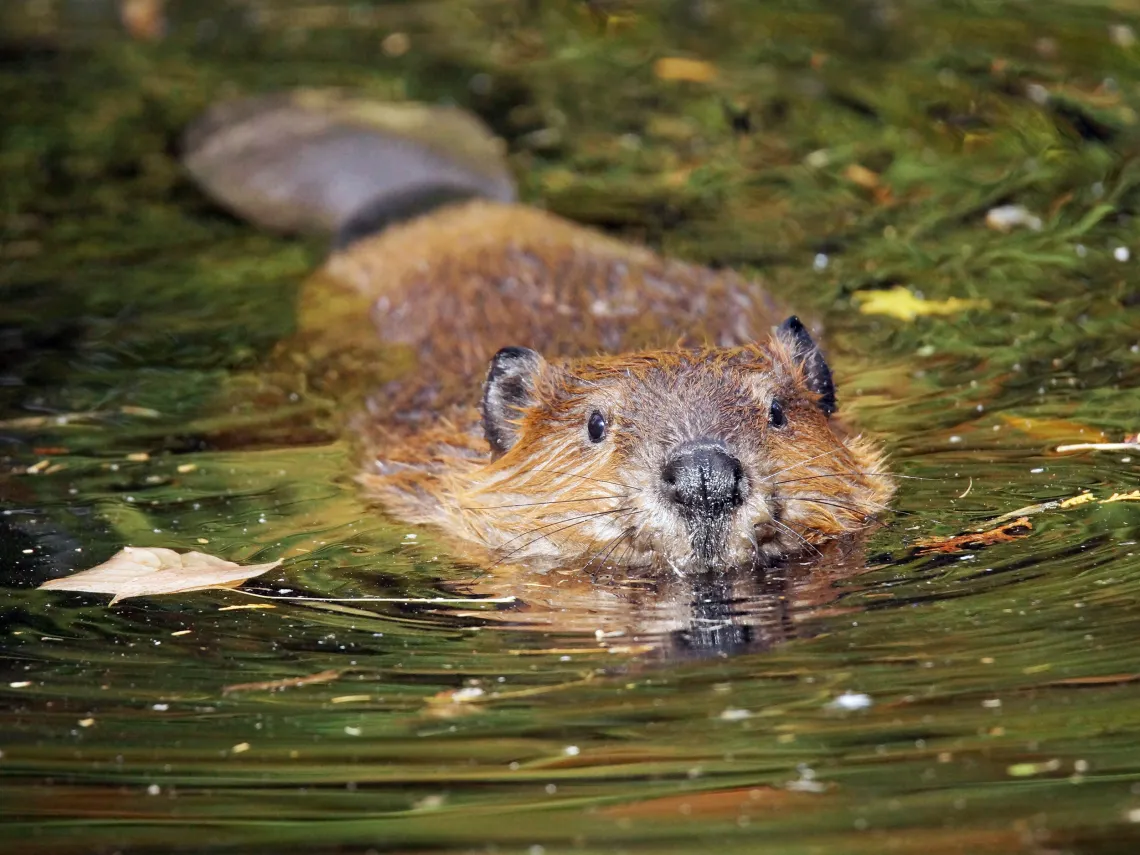
Background:
The Department of Natural Resources (DNR) is looking for input as it creates the next 10-year beaver management plan. The creation of the plan will take most of the year and will be a critical component in ensuring that we address conflicts in ways that allow us to continue to benefit from beavers' wetland creation.
As a member of the Wisconsin Department of Natural Resources Beaver Management Plan Committee, Sierra Club Wisconsin has helped identify and support action items that will provide robust and healthy future beaver populations and natural wetland ecosystems, carefully considering human needs.
The most important priorities for beaver management in Wisconsin are:
- We need more beaver research & data: Currently, the DNR has no beaver population estimate, and no reporting on the number of beavers removed each year. This could include beaver survey techniques and citizen science opportunities for accurate beaver population management.
- Wisconsin should use Adaptive Management for beavers, including science-based, peer-reviewed research and management techniques as new information becomes available. We do know that the government has contracted to kill 12,011 beavers and destroy 7,670 dams in Wisconsin over the last 10 years, but we do not know what the impact has been on their population or the ecosystems.
- The plan should improve informal resources & outreach: Proactively helping people understand beaver benefits and what to do in case of conflict would be incredibly helpful for coexistence efforts.
- The plan must recognize the beneficial impacts of beavers on wetland ecosystems and the species richness of these systems as a result. With floods, and other ecosystem changes from climate change, beavers are critical to protect us from some of these impacts.
Beavers in Wisconsin
While there is growing interest and research into the benefits of beavers for our waterways and their ability to help mitigate flooding and other climate impacts, much of this remains unknown to many Wisconsinites.
Some key facts about beavers in Wisconsin:
- Beavers are true ecosystem engineers, and are integral in creating and maintaining wetland complexes which support biodiversity, build climate resilience by sequestering carbon, slowing flood waters, and creating wildfire breaks on the landscape.
- Transparent science-based management of Wisconsin beavers is critical to protect Wisconsin’s ecosystems, especially as we face a biodiversity crisis.
- According to the Wisconsin Wetlands Association, beavers create highly complex wetland ecosystems that provide habitat for 75% of Wisconsin’s wildlife that spend all or part of their life cycle in wetlands, including 30% of all Wisconsin’s threatened and endangered species
- Beaver created wetlands improve water retention, which is beneficial during droughts, provide groundwater recharge and improve water quality.
- Additional beaver information is available on our website
Weigh in on Beaver Management in Wisconsin
Consider taking 5 minutes to complete the DNR survey. It’s critical that the DNR hear calls for science, more research, and a plan that protects the ecosystem benefits of beavers.
We’ve created this walkthrough to make it easier for you:
- Go to the form here
- Page 1 asks about your personal opinions; fill them out as you would normally. Feel free to skip any questions you don’t want to answer
- Page 2 asks about the goals for beaver management. We recommend marking the following as “extremely important”
- Maintain stable beaver populations in suitable habitats across Wisconsin
- Improve informational resources and outreach on beavers in Wisconsin
- Enhance research to inform beaver management (e.g., beaver harvest, population status, ecological impacts, and public opinions)
- Pages 3 and 4 ask about zones in Wisconsin. We believe the zones should be based on watershed, not arbitrary lines.
- We recommend choosing “needs major changes” on page 3 and writing “Zones should be based on ecological features, like watersheds” on the following page.
- The next page asks about beaver abundance in the management zones. Indicate any personal feelings or “not sure” because we need more research before this can be answered.
- Answer how you feel or skip the rest of the questions on that page
- Page 5 asks about lethal and non-lethal solutions for “human-beaver conflict” and we recommend prioritizing non-lethal options until we have a better understanding of the impacts of lethal removal.
- We recommend indicating “Strongly support” non-lethal management suggestions for all three options in the second section
- The following pages just ask about your demographics, and you can answer whatever you’d like on those pages, or skip them.
Thank you for taking the survey and being part of wetland protection and climate mitigation in Wisconsin.