In 2025, our outdoor way of life was tested by the Trump administration like never before. Whether from the forced firings of national park stewards, efforts to sell off public lands, elimination of funding for environmental justice and outdoor equity projects, or inhumane immigration enforcement tactics preventing families from getting outside — our connection to nature and public lands has never faced a greater threat.
While the Trump administration tries to weaponize our government to sever our connections to the outdoors, we grow stronger. Communities across America are rising up to meet the moment and fight for people and parks with grace, love, and tenacity. The Sierra Club’s Outdoors for All campaign remains steadfast in our efforts to close the nature gap by defending our progress at the federal level, advancing opportunities in the states, and building the power to win across our movement by connecting people to nature — and to each other. We have never been more resilient.
Here’s how we’ve been meeting the moment.
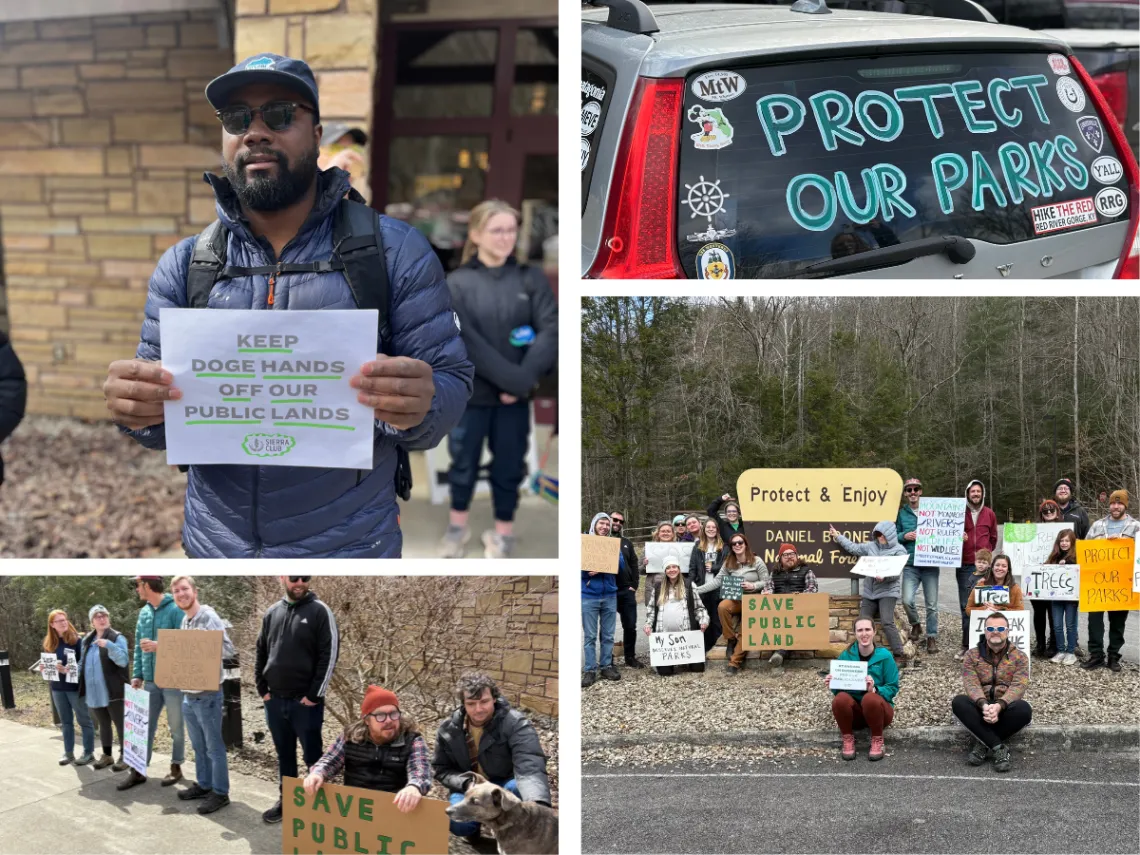
We spoke up for the stewards of our national parks, forests, and public lands.
As part of ongoing efforts to hollow out our federal government, Trump and the Department of Government Efficiency (DOGE) took aim at America’s public lands within his first 100 days in office. We took DOGE to court to halt the unlawful mass firings of National Park Service and Forest Service employees. We held a month of action and showed up at dozens of rallies across the U.S., and our members sent more than 40,000 messages to Congress. We spoke up about Trump’s efforts to use the government shutdown to further gut our public lands. We celebrated the National Park Service’s 109th birthday with events, postcards, and a Thank a Ranger video. We leveraged comment periods to drive thousands of messages to support visitors services at national parks. Thanks to advocates like you, Congress has temporarily blocked the Trump administration from furthering his “reduction in force” mass layoff agenda through January 2026. We remain vigilant and prepared.
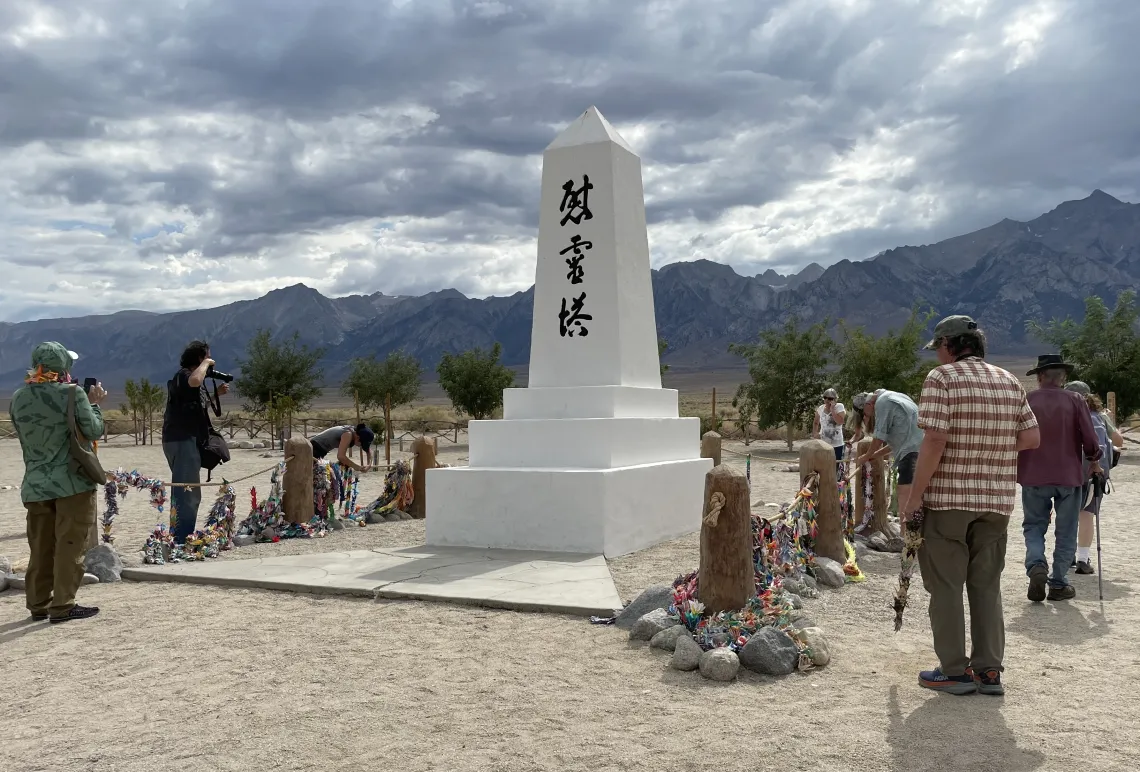
We delayed efforts to rewrite history in our national parks, monuments, and historic sites.
Our national parks, monuments, and historic sites protect our air, water, and wildlife habitat. They also preserve our uniquely American history. As part of Trump’s broader efforts to whitewash history, our national parks and public lands have come under attack. Under an order by Interior Secretary Doug Burgum, visitors to public lands have been asked to submit information about any “descriptions, depictions, or other content that inappropriately disparage Americans past or living.” Alongside our partners in the Coalition For Outdoor Renaming and Education (CORE) we organized more than 100 partners and mobilized the public to push back on these efforts to change history. Using the Freedom of Information Act, our lawyers obtained official documents that demonstrated the majority of submissions rejected Trump’s agenda.
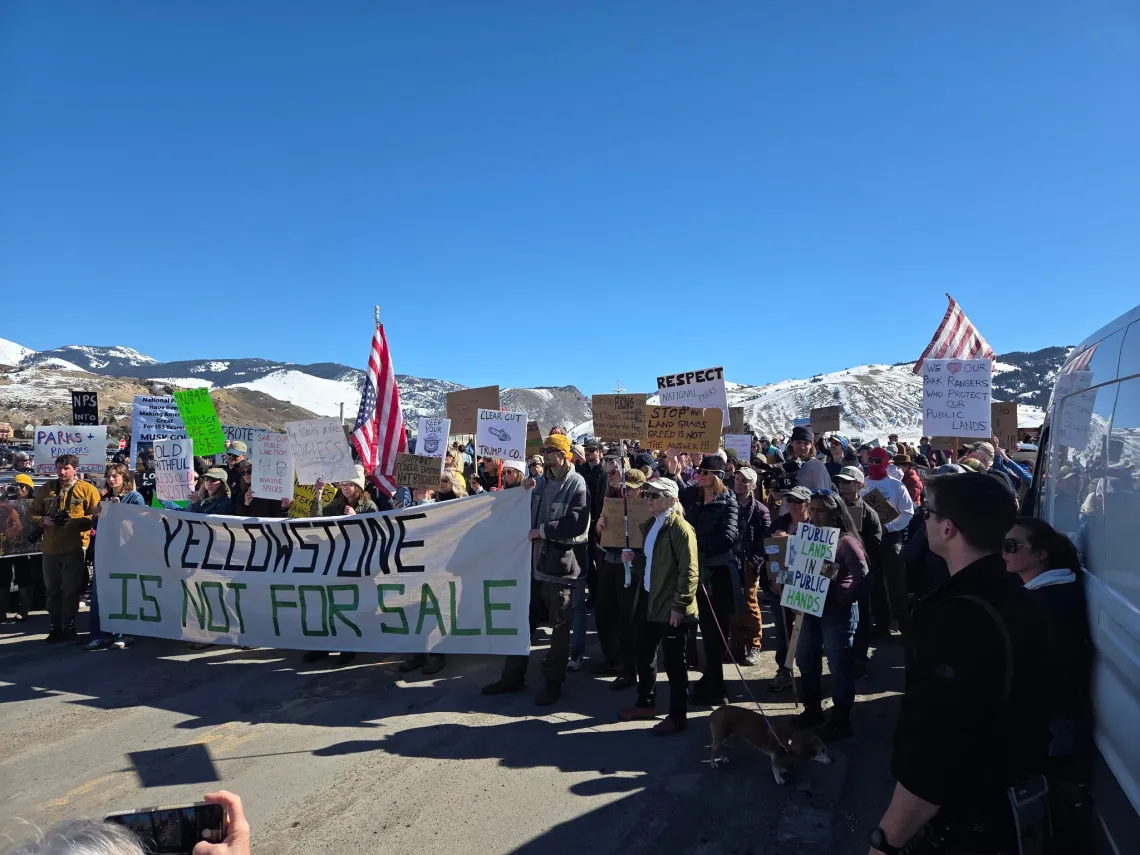
We called for an end to inhumane immigration enforcement tactics harming kids, communities, and public lands.
Trump’s efforts to sell off America's national parks and public lands have converged with his inhumane anti-immigrant agenda, causing cascading impacts. We spoke up when eight parks, including MacArthur Park in Los Angeles, were used as immigration enforcement staging grounds, and we joined 140+ organizations in calling on the Trump administration to end immigration enforcement actions at schools and parks. Working with our chapters, we pushed back on the militarization of parks and public lands, from the deployment of troops and combat vehicles in Big Bend National Park, to the blasting of mountain tops in Coronado National Monument for border wall construction in Arizona, to the building of the sprawling immigration detention center in the Florida Everglades. Our Florida Chapter, working with local partners, succeeded in interrupting operations at “Alligator Alcatraz” in Big Cypress National Reserve by building public opposition to the project, waging a strong legal challenge and mobilizing 6,000+ action-takers.
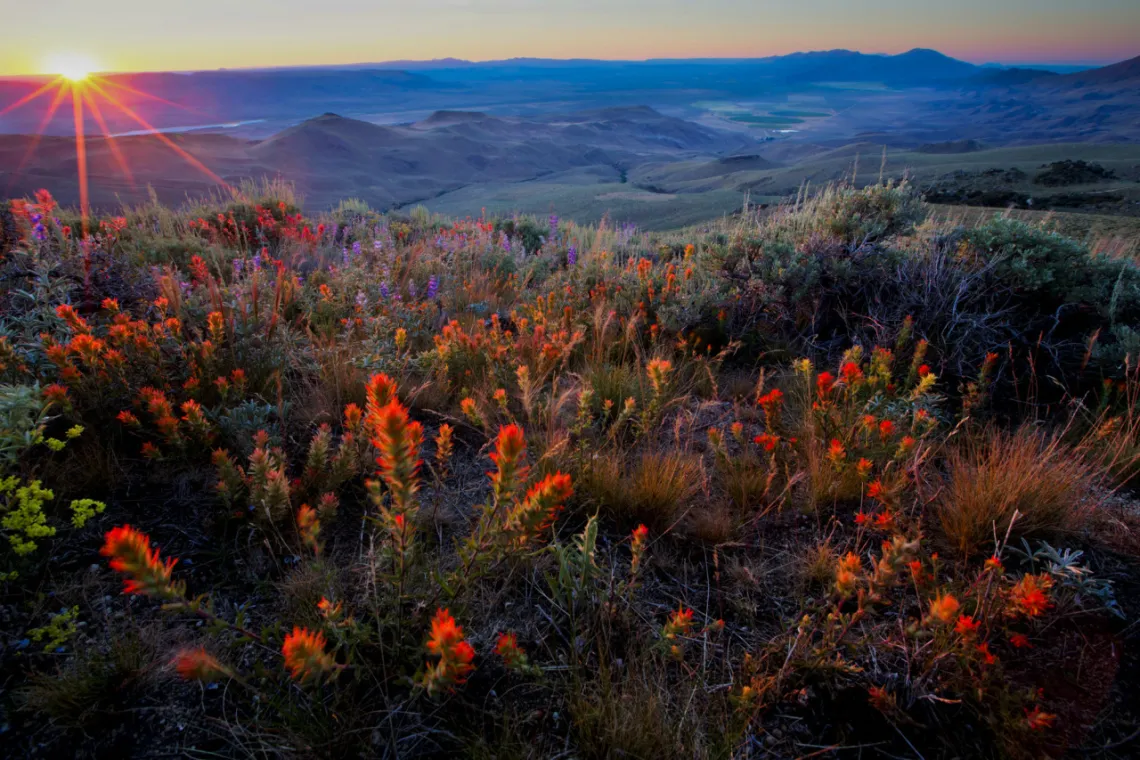
We protected parks in Florida and Los Angeles, and passed Transit to Trails legislation in Nevada and Illinois.
Advocates stopped a plan to sell Florida's 175 state parks to the highest bidder and turn them into private hotels and golf courses. In Los Angeles County, advocates expanded local park access and worked to secure more green space in low-income communities. Nevada's Transit to Trails bill brings the state closer to ensuring everyone can reach its iconic landscapes without needing a car, and Illinois’s Transit to Trails bill strengthens services and supports riders statewide to ensure more communities can directly reach public lands. Across the country, we're winning lasting land protections and increasing outdoor access for all.
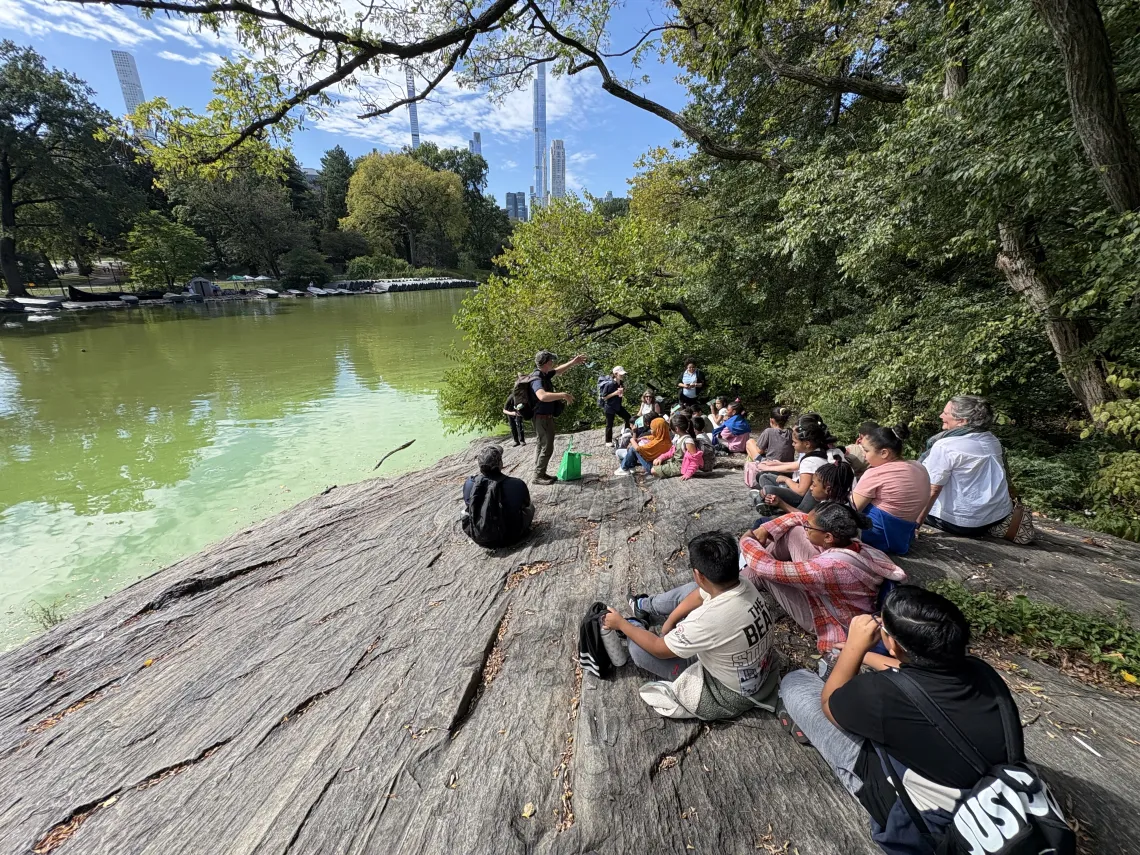
We connected thousands of kids to parks and public lands.
With safety top of mind, we continued to make sure kids — especially those with limited access and opportunity — found joy in the outdoors. With each new school year, fourth graders become eligible to receive their Every Kid Outdoors free entry pass to visit America’s national parks, public lands, and waters. At our last count, more than 150,000 fourth graders had used their pass to explore and enjoy the outdoors. Along with our friends in the Outdoors Alliance for Kids, we hosted several events to welcome the school year and make sure fourth graders received their passes and got outdoors. We partnered with our New York City Inspiring Connections Outdoors group to host an event in Central Park, and held other events in Washington, D.C. and Wisconsin. Thanks to my son Dylan, our family benefitted from the program in 2025, too!
We continue efforts to make the program permanent and helped introduce the Every Kid Outdoors Reauthorization Act in Congress. Our Wisconsin Chapter is also making progress on legislation to adopt the federal Every Kid Outdoors pass in Wisconsin state parks. In Pennsylvania, our team supported Philadelphia’s Inspiring Connections Outdoors group to connect kids with nature all year long, including an Every Kid Outdoors hike for fourth graders in the Wissahickon.
Across the Sierra Club, staff and volunteers continue to do the important work of getting young people of all ages and backgrounds outdoors. In Minneapolis-St. Paul, our North Star Chapter teaches kids how to sail on Lake Bde Maka Ska. In Detroit, we connect thousands of youth to nearby nature in the heart of the city. From ice climbing in Pictured Rocks National Lakeshore in Michigan’s Upper Peninsula, to camping in Yosemite National Park, to floating on the Grand Canyon, our team ensures Detroit youth get to experience some of the most beautiful places Sierra Club has worked to protect for more than 100 years.
We ensured thousands of veterans had the chance to experience the lands and waters they served to defend.
The military community was hit hard this year by drastic cuts to critical services by the Trump administration. Strong and deep relationships in communities across the U.S. enabled our Military Outdoors program to continue impactful programming that supported thousands of veterans seeking the positive physical and mental health benefits of spending time outside.
Outings highlights included ice fishing on frozen lakes of Minnesota with veterans and partners like Wounded Warrior Project and 23rd Veteran; a trip to the Mojave Desert led by veterans supporting California biodiversity monitoring initiatives; a Memorial Day outing at the Chattanooga and Chickamauga National Battlefield park with military families celebrating the long heritage of veterans championing national parks; a Veterans Day outing paddling the Black River in North Carolina with veterans from the Coharie Tribe; and a multi-day whitewater rafting trip down the Deschutes River in Oregon. A transformational experience for first-time participant Anthony Pasquale, who shared these thoughts in his essay “Ripples of Belonging:” :
“After a while, I realized something bigger…this land sees me. Not the broken version of me, the brown boy from the city who didn’t speak Spanish due to generational fears of oppression, not the outcast or the soldier or someone who dreamed of wild places but never thought he belonged in them. But the land saw the real me, the full version, the US Army Combat Veteran who was brown and proud, a culture-carrying man I’d tried for so long to quiet down to fit in. Not just the guy with stories he never tells and words that are never spoken.”