Denver, COLORADO – Today, the White House announced its newest protected public land, the Camp Hale-Continental Divide National Monument, along with a 20-year mineral withdrawal for approximately 225,000 acres of the Thompson Divide to ensure the land remains protected. The monument would encompass 53,804 acres, including the historic Camp Hale and Tenmile Range.
National Monuments
National Monuments
Protecting existing monuments, expanding these cherished spaces, and fighting for new monuments is an important piece of Sierra Club's conservation work.

Berryessa Snow Mountain National Monument
What is a national monument?
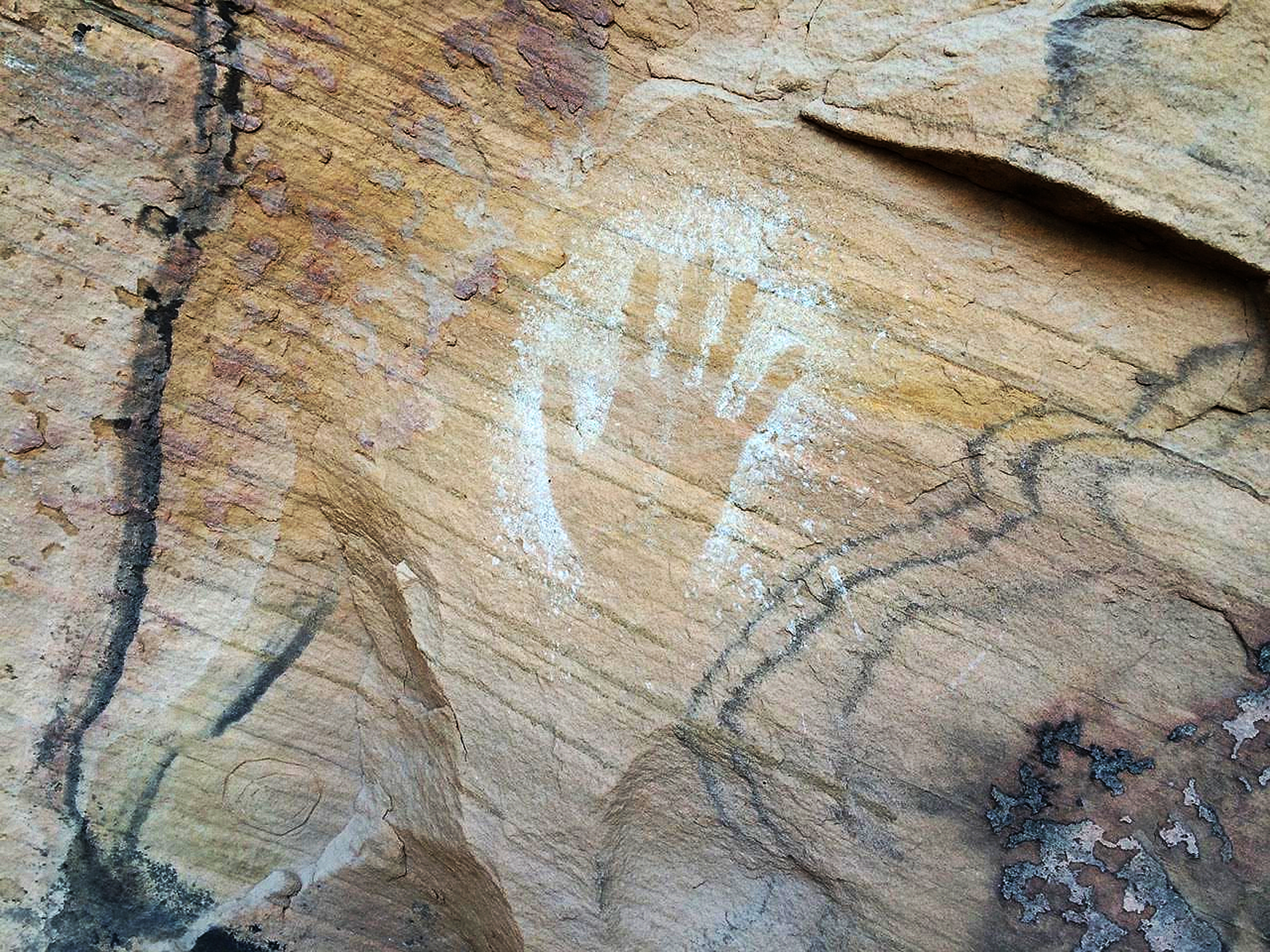
National monuments are lands and waters designated for permanent protection by the federal government. They include areas of important natural, cultural, and historic resources, from geological wonders to sacred Indigenous landscapes to sites that have shaped the history of the United States.
Unlike national parks, which only Congress can designate, national monuments can either be established by the President under the authority of the 1906 Antiquities Act or by an act of Congress.
The United States has over 130 national monuments that are managed by federal agencies. While most are managed by the National Park Service, some are managed by other agencies like the US Forest Service, the US Fish and Wildlife Service, and the Bureau of Land Management.
Canyon of the Ancients National Monument
Why are monuments important?
National monuments are protected lands, waters, or historic sites that safeguard our natural, cultural, scientific, and historic resources and legacies. They are an important tool for protecting public lands and waters for generations to come.
National monuments are also part of our response to the climate crisis. Conserving 30 percent of US lands and waters by 2030 will protect the air we breathe, water we drink, and provide a powerful climate solution. Preserving wildlands will protect vital habitats for imperiled species and save more places to connect with nature. Safeguarding places of cultural and historical significance will help honor the stories, sites, and landscapes that make us who we are.
33
18
presidents have designated monuments
National monuments protect geologic, marine, archaeological, and cultural sites
Protecting wild places will keep drilling and logging from polluting our air and water, and suck existing climate pollution out of the air. Creating national monuments is one of the best ways to protect public lands and preserve homes for wildlife and opportunities for people to enjoy the outdoors together.
What We Are Doing
Paria Rimrocks, Grand Staircase-Escalante National Monument, Utah
The Sierra Club has been pivotal in the conservation and expansion of national monuments for more than a century, reflecting a broader commitment to preserving natural landscapes, combating climate change, and ensuring everyone’s history and connections to US lands are honored and celebrated.
Right now, Donald Trump, the billionaires who bought access to him, and their allies in Congress are waging an all-out assault on our parks and public lands, firing thousands of federal workers who steward these landscapes, shredding conservation protections for fragile ecosystems and places, and seeking to overturn more than a century's worth of conservation history. Their goal is to give public lands to corporate polluters and billionaires to mine, drill, log, and pollute as they please — activities that effectively block access to public lands for everyday people.
We must use every tool at our disposal, from the courts to pressuring our leaders to collective action, to stop this polluter giveaway. Every victory we've won to protect the places we hold dear has been thanks to the grassroots support of advocates like you who have written a letter, called your legislators, attended an event, posted on social media, talked to friends and family, donated, and so much more.
What You Can Do
Congress: Urge the Trump Admin to Protect Existing National Monuments
10% complete
Send My Message
Press Releases
La Corte Suprema escuchó hoy argumentos orales del caso Sackett vs Environmental Protection Agency (EPA), un intento de la industria de combustibles fósiles de desmantelar la Ley de Agua Limpia.
Today, the Energy and Mineral Resources Subcommittee will hold a legislative hearing on the Public Lands and Waters Climate Leadership Act. This bill was introduced last week by Natural Resources Committee Chair Raúl M. Grijalva (D-Ariz.) and other members of the Committee.
LAS VEGAS -- Today, Secretary of the Interior Deb Haaland traveled to southern Nevada to meet with the Tribal Council of the Mojave Tribe and local community leaders, including stops at sites considered sacred by several Tribes. One of the sites visited by Secretary Haaland, Rep. Susie Lee, Principal Deputy Assistant Secretary for Land and Minerals Laura Daniels-Davis, and Bureau of Land Management (BLM) Nevada State Director Jon Raby, was Spirit Mountain, which is called Avi Kwa Ame by the Mojave Tribe.
Great Falls, MT—Conservation groups and the Bureau of Land Management (BLM) yesterday reached a settlement agreement that will prevent new oil and gas drilling on 58,000 acres of public lands in Montana and the Dakotas pending a new analysis of it
WASHINGTON, DC — A federal judge in Wyoming
Conservation groups and the U.S. Bureau of Land Management have finalized a legal agreement that will prevent new oil and gas leasing across 2.2 million acres of southwestern Colorado until the agency supplements its environmental analysis and releases an amended plan for lands in the area.
El Servicio Forestal del Departamento de Agricultura inició hoy un acto de emergencia para proteger las secoyas gigantes en un área de 13.000 acres.
Today, the Senate Committee on Energy and Natural Resources moved forward Laura Daniel-Davis’ nomination to serve as the U.S. Department of the Interior’s assistant secretary for land and minerals management. Her confirmation will now be voted on by the full Senate.
Today, the Senate Committee on Energy and Natural Resources (SENR) will consider several important bills that impact public lands and waters and conservation efforts. Senior Sierra Club policy staff are available to speak about individual bills listed below.