“Transportation Equity is the goal of ensuring that all community members have their needs met by the transportation systems available to them.” Harvard Kennedy School
Creating equity in transportation includes
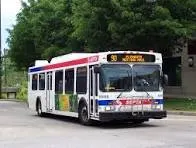
Public Transit (buses, rail, subway, shuttle services, air)
Alternatives to personal vehicles (safe walking and biking, ride sharing and taxis (for the last mile))

Electrification of all types of vehicles all help in the effort to reduce our carbon emissions and improve the air that we all breath.
CONTACT INFO
To ask a question or learn how you can contribute to improving Transit Equity, use the SPG Volunteer Interest Form. A volunteer leader will get back to you.
IMPACT OF TRANSPORTATION ON OUR LIVES
Transit Equity is generally perceived as an urban issue. This is a false perception. Transit Equity effects all communities rural and urban. As an example the APTA (American Public Transportation Association) 2023 Fact Book states there are 1281 rural and 929 urban transportation agencies.
Transit Equity effects all segments (rural, suburban and urban). Improvements in Public Transportation, Alternative personal vehicles and Vehicle electrification will have positive effects for all areas.
Tailpipe pollution contributes to asthma, heart disease, COPD in Philadelphia area residents. [Amer Lung Assoc]
IMPACT OF PUBLIC TRANSPORTATION
Transit Equity results in improvements in the reduction of gasoline usage. The APTA Fact Book from 2023 states that use of Public Transportation results in 55% less Carbon Emissions and over 6 billion gallon reduction in gasoline usage.
From the SEPTA Website
“DYK American households that produce the least amount of carbon emissions are located near a bus or rail line. The people in those households drive an average of 4,400 fewer miles annually compared to similar households with no access to public transit.
The answer is clear – public transportation saves fuel, reduces an individual’s carbon footprint, and reduces congestion. Public transportation use by a solo commuter switching his/her commute from a private vehicle can reduce CO2 emissions by 20 pounds per day—more than 4,800 pounds in a year.”
The New Urban Agenda was endorsed by the UN General Assembly in 2016.
The New Urban Agenda represents a shared vision for a better and more sustainable future. If well-planned and well-managed, urbanization can be a powerful tool for sustainable development for both developing and developed countries.
Public Transportation is seen as a key component in building the New Urban Agenda
Rapid Transit is key to building Sustainable Cities
Rural Public Transit spending per capita lags well behind Public Transit spending in Urban areas.
Public Transportation Impact on Small and Rural Towns
Pennsylvania has some level of Public Transit in all counties
IMPACT OF ALTERNATIVE PERSONAL VEHICLES (Biking, Walking, Ride Sharing)
“According to a recent study by Portland State University, if we convert just 15% of car trips to trips made by electric bicycle, we could reduce transportation-related carbon emissions by 12%. We don’t need everyone to ride a bike — just a small portion can achieve huge carbon reduction goals. “ People for Bikes Website
BIKING PHILADELPHIA
The following link shows a map of the bike lanes and paths in Philadelphia
Bike sharing is another alternative to driving in Philadelphia. The Indego Bike share network started in 2015.
BIKING MONTGOMERY COUNTY
Bike Montco is a plan for Montgomery County to advance bicycle mobility
BIKING DELAWARE COUNTY
Delaware County has created a Master Plan for Biking
Delaware County Biking Master Plan
BIKING CHESTER COUNTY
Bike Chester County is a volunteer driven bicycle advocacy group in Chester County
Chester County Planning Commission Complete Streets Bicycle and Pedestrian Plans
BIKING BUCKS COUNTY
Bucks county individual townships have biking plans. Some examples below.
IMPACT OF ELECTRIFIED VEHICLES
Electric cars can advance Environmental Justice
How Electric Cars can Advance Environmental Justice
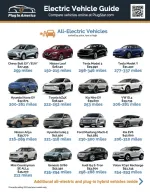
There are many myths around electric vehicles. The US Department of Transportation debunks many of these myths.
ACTIONS WE CAN ALL TAKE
- Reduce single passenger vehicle trips
- When it's time for a new car, consider an EV
- Take public transit when available - SEPTA map
- Support public transit - Follow up with your local State Representative and State Senator and push them to support SEPTA Funding
- Dust off that bike in the garage - See County Links above
- Advocate for more mulit-use trails and protected bike lanes