It's crucial that we, as environmental advocates, keep a close watch on the water quality standards in the United States. We cannot afford to reverse fifty-two years of environmental progress. Our involvement is not just significant, it's necessary to prevent this from happening. We have a role, and our collective efforts can bring about considerable change.
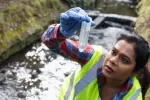
Water quality standards are used to assess whether Pennsylvania's rivers and lakes are clean and pure enough to support fish and other aquatic life, recreation, water supply for drinking, agriculture, and industry, and other protected uses. In addition, the water standards are implemented by other BCW programs as regulatory tools to prevent pollution of the Commonwealth's waters.
Water Quality | Department of Environmental Protection | Commonwealth of Pennsylvania
To ask a question or learn how you can contribute to Water Quality solutions, use the SPG Volunteer Interest Form. A volunteer leader will get back to you.
HOW CAN I HELP?
We need an educated and well-informed populace who understand what needs to be done to ensure that a precious resource like water is protected from polluters. We need to be the caretakers of our water.
WHAT NEEDS TO BE DONE?
- Commit to quality water and determine what you can do to help, then volunteer!
- Contact your elected officials
- Participate in EACs (Environmental Action Committees).
- Promote stories/case studies of what people are doing
- Set up a plan of action for you and your community
BACKGROUND
A summary of the major achievements since the Clean Water Act was enacted in 1972 can be viewed here: 50 Years after Clean Water Act Gauging Progress
Annual Tributary Survey
State of Pennsylvania
The Clean Water Plan for Pennsylvania focuses on preserving and improving water quality while safeguarding public health and the environment. This plan aims to promote water sustainability across the state through proactive, responsible management, enhancing water infrastructure, and addressing challenges related to contamination. By taking a non-deregulatory approach, strategic investments, and collaboration with stakeholders, all while ensuring long-term benefits to communities and ecosystems.
The 2022 Pennsylvania State Water Plan is intended to inform leaders' decision making and educate all Pennsylvanians on sustainable use and stewardship of our lakes, rivers, streams, and groundwater1.
The Pennsylvania Clean Water Blueprint, also known as the Phase III Watershed Implementation Plan, is the Commonwealth's framework for restoring its rivers and streams and meeting its pollution reduction goals2.
The Phase 3 WIP focuses on local solutions for nutrient pollution reduction to local waterways in 43 Pennsylvania counties that run to the Chesapeake Bay3.
The Blueprint requires pollution limits allocated to each jurisdiction and specific plans to meet those limits with reasonable assurance of success
PA DEP
Clean Water | Department of Environmental Protection | Commonwealth of Pennsylvania
The Bureau of Clean Water oversees the statewide Clean Water Program in DEP's six regional offices and is responsible for protecting and preserving the waters of Pennsylvania, including 86,000 miles of streams and lakes, through the implementation of the following program activities:
- Establishment of water quality standards;
- Water quality monitoring and assessments;
- Municipal sewage management and planning (Act 537);
- National Pollutant Discharge Elimination System (NPDES) permitting and inspection of point source discharges;
- Water Quality Management (WQM) permitting and inspection of land discharges and facility construction;
- Technical outreach for wastewater treatment facilities and wastewater operators, and licensing for Sewage Enforcement Officers (SEOs);
- Administration of the nutrient trading program;
- Permitting and inspection of biosolids treatment/processing facilities and residential septage management
- Coordination between associated federal, interstate, and intrastate agencies
EPA
Water quality and agriculture | Environmental Protection Agency
The EPA's purpose is to protect, improve and restore the environment through regulation, scientific knowledge and working with others. For water quality, the EPA's responsibilities include:
- monitoring and assessing the impact of human activities and pressures
- providing advice to the Minister on objectives and measures
- regulation of wastewater, industrial and waste activities and oversight of local authority performance of their statutory environmental functions
- reporting to the Commission under a range of directives including the Water Framework Directive, Nitrates Directive and the Bathing Water Directive
The EPA oversees and implements the national water quality monitoring programme. The programme is designed to assess the overall condition of our rivers, lakes, canals, estuaries, coastal waters and groundwaters and to meet the requirements of the Water Framework Directive and Nitrates Directive.
Full details of the monitoring programme is available on our website Water Quality Monitoring Programme for the period 2022-2027.
Bucks County
Clean water plans for Bucks County, PA include updates to the Act 167 (countywide watershed-based stormwater management plan) and the 2026 Hazard Mitigation Plan1. Clean water is critical for human health, and various programs and investments aim to protect and improve water quality in the region.
Stormwater, Flooding, and Green Infrastructure | Bucks County, PA
Chester County
Chester County has recently adopted a new County-wide integrated water resources plan called Watersheds 2045. The plan highlights seven goals to achieve a vision of clean water, healthy habitats, thriving communities, and accessible recreation for all. It also includes locally-specific goals and strategies for each of the County's 21 watersheds.
Chester County's Comprehensive Water Resource Plan | Chester County, PA - Official Website
Delaware County
Delaware County, PA has been actively working on improving its water quality through various initiatives, including compliance with state and federal regulations such as the Clean Water Act, MS4 (Municipal Separate Storm Sewer System) Program, and the Chesapeake Bay Cleanup Plan for areas that fall within that watershed.
Montgomery County
The water cycle is a natural process that is profoundly affected by people and development. Over the past few decades, the human impact on water has been recognized and addressed with various regulations, including requirements for storm water control, discharges into streams, and withdrawals from groundwater supplies. In addition, substantial public and private investment has successfully been made to improve water. Nevertheless, the county still experiences flooding, water shortages, and pollution in some locations. The Water Resources Plan shows how government, developers, businesses, and resident can work together to better manage water resources. The plan focuses on providing adequate supply of water, improving water quality and reducing water pollution, limiting the impact of flooding, and promoting better storm water management practices. Overall, this plan, if fully implemented, will create a more harmonious relationship between county residents, businesses, and the natural water cycle that affects everyone.
Water Resources Plan | Montgomery County, PA - Official Website
City of Philadelphia
Green City, Clean Waters is Philadelphia County's 25-year plan to reduce the volume of stormwater entering combined sewers using green infrastructure and to expand stormwater treatment capacity with traditional infrastructure improvements.
DVRPC (Delaware Valley Regional Planning Commission)
DVRPC Water Quality | DVRPC has included water quality and quantity in its comprehensive planning for almost the Commission's entire existence. In the 1970s, DVRPC carried out 208 Plans, so named for Section 208 of the Clean Water Act, which required water quality management plans where there were complex water pollution problems. In the 1980s, DVRPC assumed responsibility for administering Pennsylvania's Coastal Zone Management Program in the Delaware Estuary. In 1995, DVRPC's long-range plan for the Year 2020 contained, for the first time, a detailed proposed open space network that was largely based on the stream corridors throughout the region. And throughout the last 15 years, DVRPC engaged in watershed management planning efforts in New Jersey and conducted over 50 municipal-based environmental planning projects, most of which focus on understanding environmental resources, protecting open space, and improving environmental protection ordinances. All of these past and present activities have the potential to improve water quality, reduce flooding, and provide stormwater management benefits in communities and throughout the region.
Implementing Municipal Water Quality is the implementation phase of a research and convening project that DVRPC led between 2015 and 2017. Through the research project, DVRPC worked with a panel of content experts and technical assistance providers to identify the types of support most effective in helping municipalities protect water quality across the Delaware River Watershed. A result was a set of 15 action plans: specific strategies that were identified as high-priority for helping municipalities with their water quality work. Beginning in 2018, DVRPC began the process of implementing some of these action plans. DVRPC > Water Quality > Implementing Municipal Actions
DVRPC maintains a calendar of outside events related to the planning community for the benefit of our partners and website visitors. To have your event added to this calendar, please contact the Office of Communications and Engagement.