One of the most amazing aspects of the plastics crisis is how recent it is.
Of the nearly 10 billion tons of plastic in existence today, approximately half was manufactured in the last 18 years.
This crisis is happening in our lifetime
To ask a question or learn how you can contribute to Plastic Pollution solutions, use the SPG Volunteer Interest Form. A volunteer leader will get back to you.
PLASTIC IS UBIQUITOUS
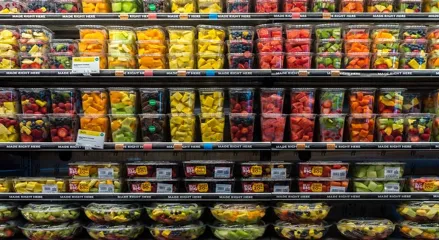
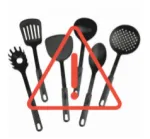
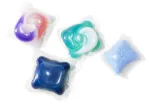
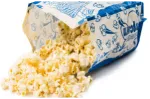
You cannot avoid plastic in your daily life. Even if you are super-careful about your consumer choices, you cannot avoid the packaging.
Did you know that 42-44% of current plastic production is for packaging – like you see here. The majority of what we’re making isn’t necessary.
PLASTIC MANUFACTURING
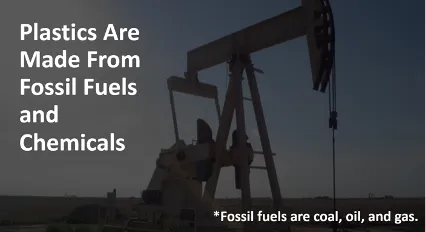
Today almost all plastics are made from ethane, which is a by-product of hydro fracked gas.
Turning petroleum or ethane into a plastic fork - or any plastic item – won’t just happen through temperature or pressure. That takes chemicals – and a lot of them.
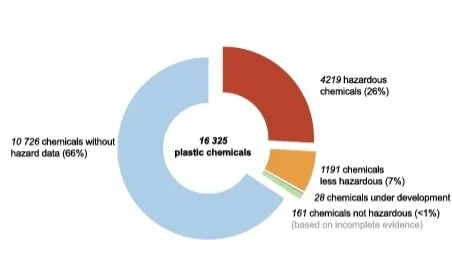
Additives are required to give plastics their stability, color and flexibility (known as plasticizers). Plastic contains more than 16,000 chemicals. Over 4200 are considered hazardous - meaning they are known carcinogens or known to disrupt brain development or hijack hormonal signals.
66% of plasticizers – more than half – are entirely unstudied. No one knows what they do to humans, or whether they are safe.
https://plastchem-project.org/
Here is a very important thing to remember – these chemicals are not bonded to the plastic molecule. They sit within it, and they leach out at every stage of plastics’ use and lifecycle – including when they are used as food packaging or otherwise in contact with food.
PLASTICS AND HEALTH
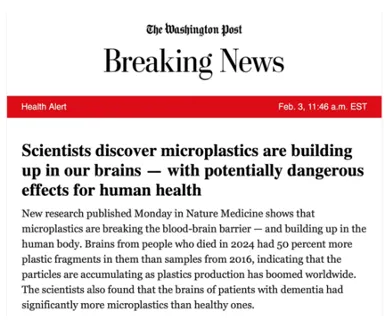
We are continuing to learn about the health impacts of plastic when it breaks apart into micro and nano plastics. Microplastics are plastic particles smaller than 5 millimeters, while nanoplastics are even smaller, typically considered to be less than 1 micrometer (1000 nanometers) in size.
Impact of Microplastics and Nanoplastics on Human Health
PLASTIC AND OUR OCEANS
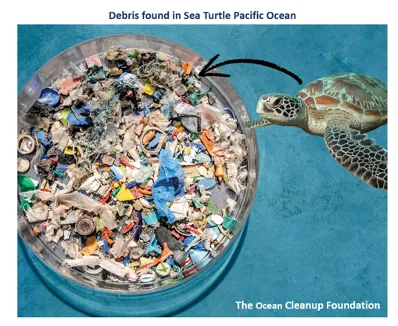
About 80% of the plastic in the ocean comes from the land. It’s plastic litter. That litter gets into streams and rivers and then enters the ocean.
8-15 million tons of plastics enter our oceans every year. This is the equivalent of two garbage trucks every minute backing up to the shore and dumping its contents into the ocean. We are turning our oceans into unpermitted landfills.
And we know that the plastic Will. Not. Break. Down. It is not biodegradable.
Plastic is a threat to fish and turtles. And birds. And us.
RECYCLING
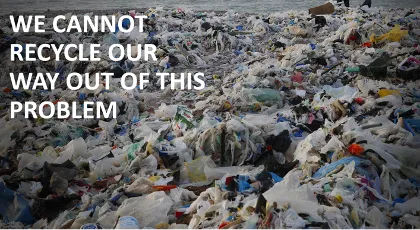
Recycling Plastic has never-ever hit double digits!
Americans discarded 51 million metric tons of plastic in 2021 and less than 6% of all plastic was recycled.
85% of plastic waste in the U.S is land-filled.
ENVIRONMENTAL JUSTICE
Plastic pollution is a growing global environmental crisis that disproportionately burdens people of color around the world in a variety of ways.
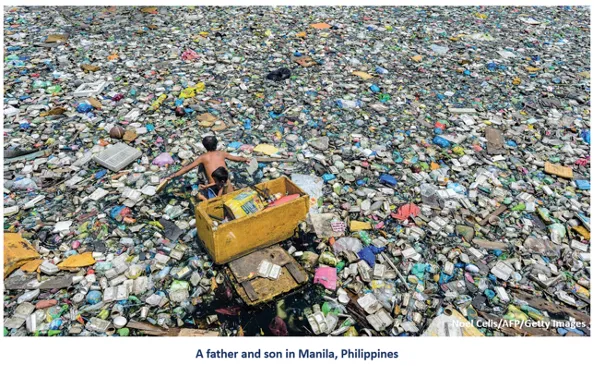
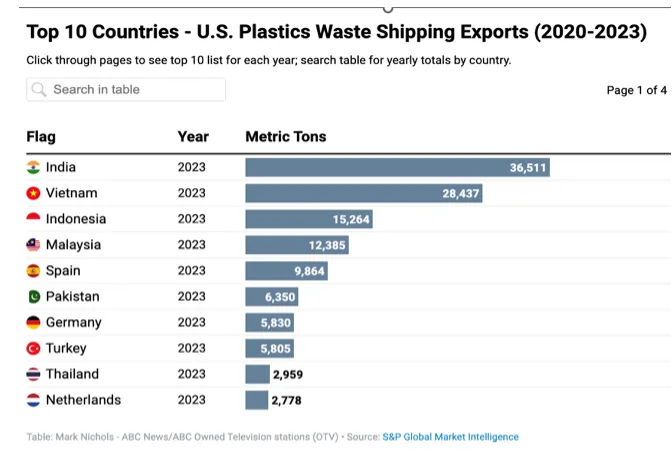
Plastic waste is also a global economic, environmental and social issue. In addition to the plastic pollution problems in the United States, the US, like many wealthier countries, is exporting plastic waste, often under the guise of recycling, to countries unable to safely manage it.
PLASTIC POLLUTION ACTION IN OUR COMMUNITIES
One in five PA residents are currently covered by a single-use plastic bag ban!
There is no PA legislative support for passing single-use plastic reduction legislation at this point. The greater the number of townships with bans the greater the momentum at the state level. This strategy worked in California where 151 CA cities and counties adopted plastic bag ban ordinances prior to upholding its first statewide SUP bag ban in 2014. NJ also: 60 municipal bans led to the 2020 statewide ban.
Already there are 30+ PA townships (20% of the population) with bans in place. With this local momentum and your support, we will achieve a statewide ban in PA!
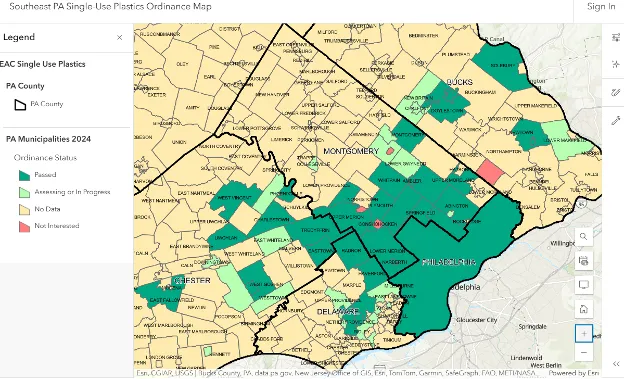
MAP OF PLASTIC BAG BANS IN PENNSYLVANIA
Looking for residents of the following communities:
Anyone from Montgomery, Chester, Bucks or Delaware County interested in reducing plastic pollution in their community please contact: Sue Munley
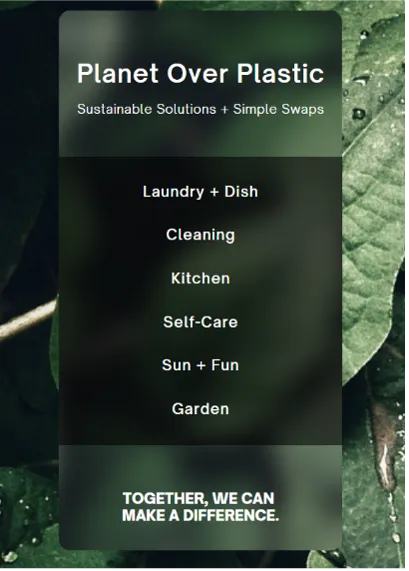
HOW TO REDUCE PLASTIC IN YOUR LIFE
MORE RESOURCES
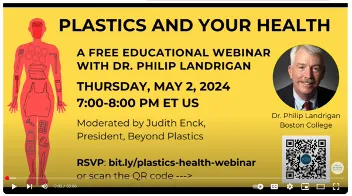
Dr. Philip Landrigan, Boston College: Plastics and Your Health
Plastics and Your Health - YouTube
A Poison Like No Other" - Matt Simon on Microplastics - Mar 6, 2025
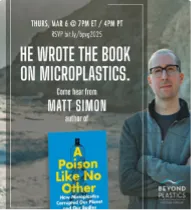
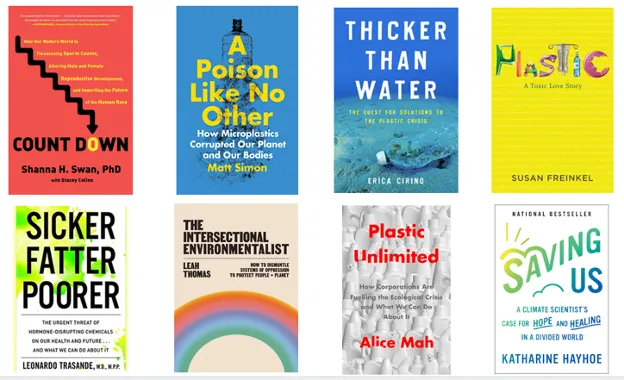
Books