Most recent update:
Speak up for national forests
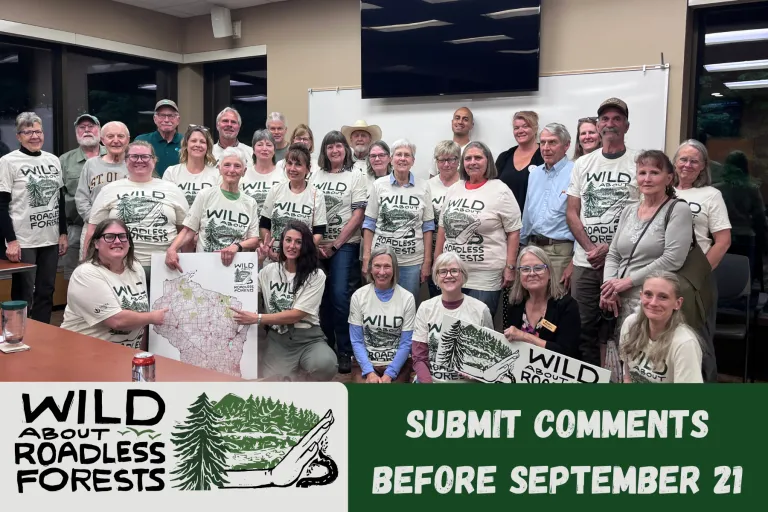
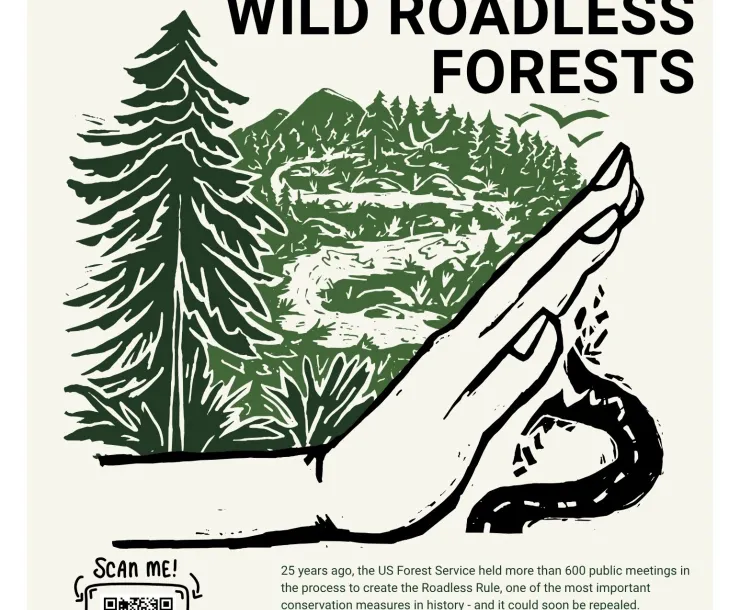
Our undeveloped national forests are the heart of our public land. But now one of the most important -- and most underappreciated -- conservation policies is on the verge of being cut by the Trump Administration. If the Roadless Area Conservation Rule is repealed, 45 million acres of pristine national forests across the country would be opened up for the first time in over 20 years to road building and the logging, mining, and extractive industries that come with that.
The policy was created by the Forest Service because it was ecologically critical, fiscally responsible, and overwhelmingly popular. Now the administration is repealing it citing fire concerns and timber value - but neither of those justifications stands up to scrutiny.
Last year, over 600,000 people voiced their support for this rule, but the Trump administration is steamrolling ahead and ignoring the American public. Thanks to everyone who came out to the Roadless Rule Town Hall earlier this month. We were honored to be joined by Roadless Rule author, Mike Dombeck, who spoke about the rule, ahead of testimony dozens of people who support the Roadless Rule. As Mike said, "There are currently more miles of roads in our national forests than there are miles between Earth and the moon!"
Yet,the Trump Administration wants to pave through the the .02% of Wisconsin that is left without roads. 📣 Join your voice with thousands of others by submitting your comment today! Comments are due September 21.

Tell Michigan Regulators: Make Data Centers Pay Upfront
22% complete
Send My MessageOutings
Various dates and locations
Connect with the outdoors! Find a hike, clean up, paddle, or other outdoor event near you!
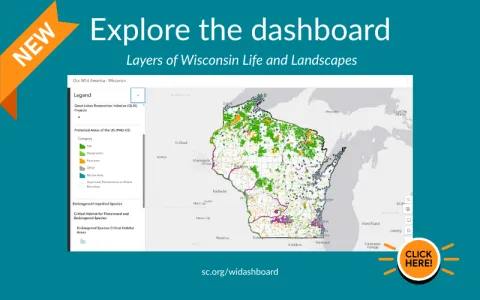
Discover Wisconsin’s Natural Wonders with Our New Interactive Dashboard!
We’re thrilled to launch our new dashboard and interactive map, a powerful tool to explore Wisconsin’s lands and waters through the lens of the global 30x30 initiative—the ambitious goal to protect 30% of lands and waters by 2030. From forests and wetlands to prairies and culturally important sites, this tool lets you see the diversity of habitats across the state, understand their crucial roles in climate mitigation, biodiversity, and human well-being, and even discover what’s thriving right in your own backyard.
Learn about keystone species like beavers, wolves, and rusty-patched bumblebees, explore old-growth forests and prairie remnants, and see how protected lands—from state parks to land trust preserves—contribute to healthy ecosystems, clean water, and carbon storage. You can also explore areas of cultural significance, including tribal lands, wild rice habitats, effigy mounds, and historic settlements, honoring the deep connections between people and the land.
This interactive dashboard makes it easy to explore, learn, and get inspired to protect Wisconsin’s natural heritage for future generations.
Discover Wisconsin’s Natural Wonders with Our New Interactive Dashboard!
32% complete
Take me to the DashboardWhy it Matters
Public lands help protect this sense of place that is critical for sustaining the identities of local communities. By preserving the landscape and keeping it open to the public, communities are also able to foster and strengthen social ties.
In addition to this important benefit, public lands also provide both health and economic benefits. For the National Parks in Wisconsin alone, visitor spending in 2018 totaled over $56M and created at least 800 jobs. That’s not even including all the other state parks and public recreation areas!
While the health benefits are slightly harder to monetize, conserving land helps clean the air and can even reduce stress and anxiety.
However, for many the dream of visiting public lands remains elusive, particularly for Communities of Color and low-income communities. An analysis by the Center of American Progress and Conservation Science Partners discovered that these communities have less access to open space and natural areas than the rest of the population. Key barriers that exist include lack of information or gear, and financial or transportation difficulties.
We are working hard to diminish these barriers to access while also protecting the public lands and forests that we do have. With your help, the outdoors can be accessible to all!
Blog Posts
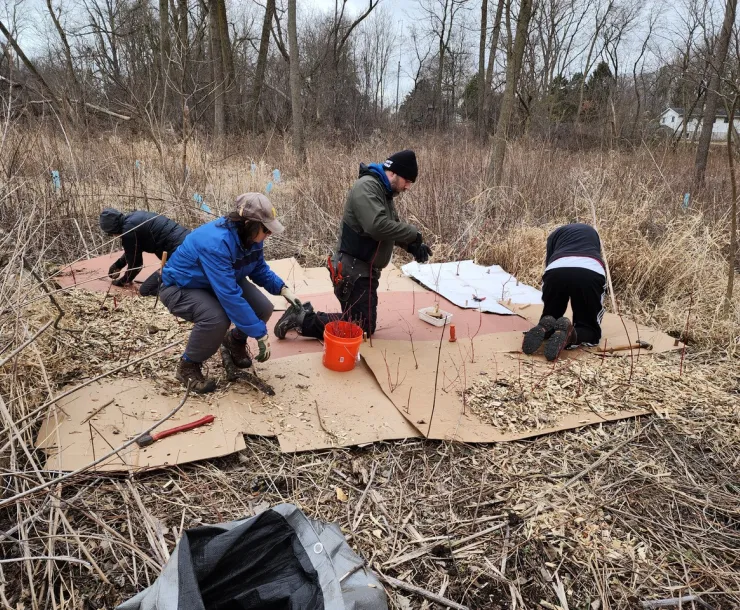
Invasive Reed Canary Grass Removal
ICYMI: Committee Republicans Vote to Sell Off and Sell Out Our Public Lands, Including the Chequamegon-Nicolet National Forest