National Monuments

National Monuments

National Monuments

Protecting existing monuments, expanding these cherished spaces, and fighting for new monuments is an important piece of Sierra Club's conservation work.


Berryessa Snow Mountain National Monument

What is a national monument?

National monuments are lands and waters designated for permanent protection by the federal government. They include areas of important natural, cultural, and historic resources, from geological wonders to sacred Indigenous landscapes to sites that have shaped the history of the United States.

Unlike national parks, which only Congress can designate, national monuments can either be established by the President under the authority of the 1906 Antiquities Act or by an act of Congress.

The United States has over 130 national monuments that are managed by federal agencies. While most are managed by the National Park Service, some are managed by other agencies like the US Forest Service, the US Fish and Wildlife Service, and the Bureau of Land Management.

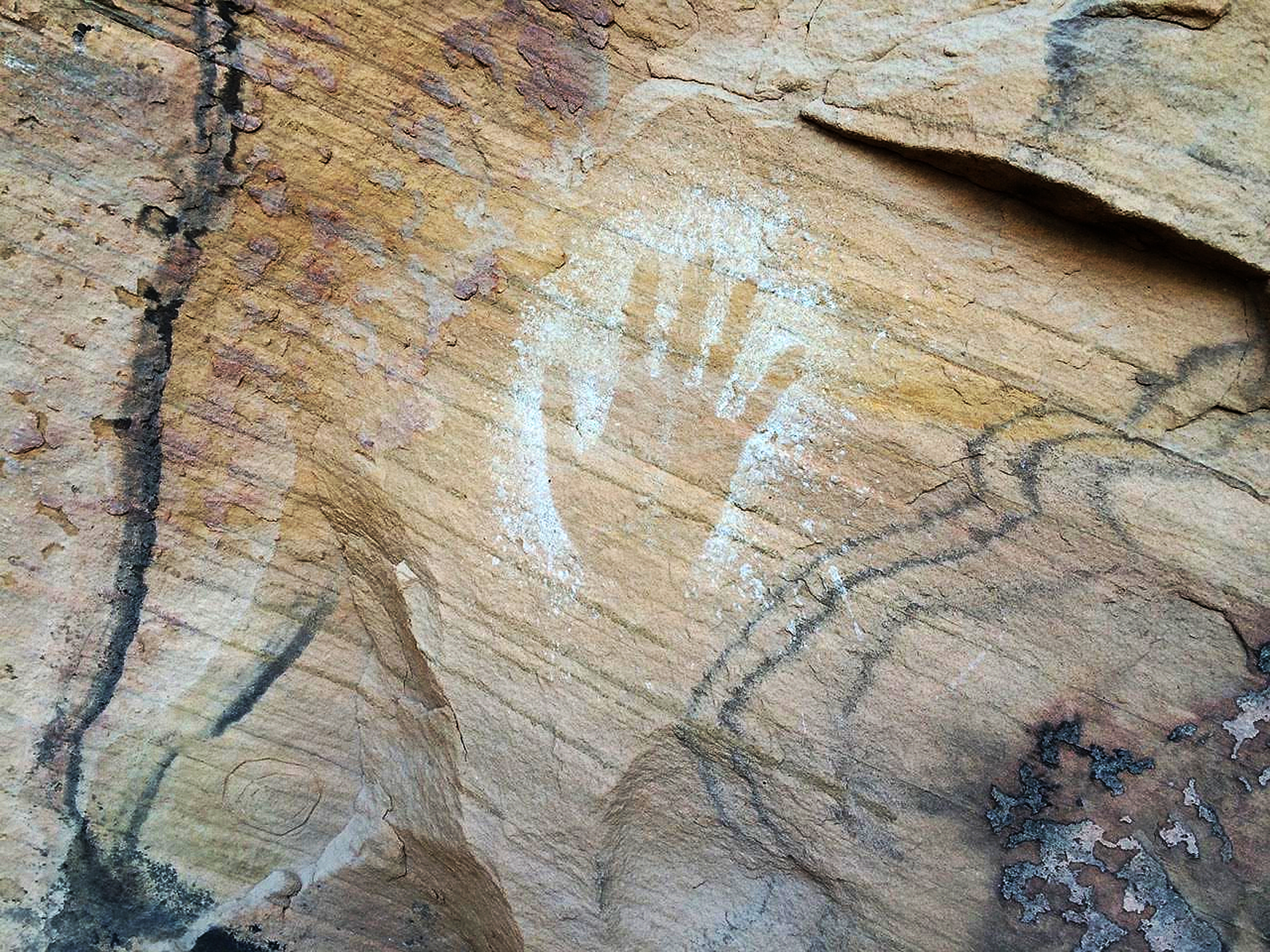
Canyon of the Ancients National Monument

Why are monuments important?

National monuments are protected lands, waters, or historic sites that safeguard our natural, cultural, scientific, and historic resources and legacies. They are an important tool for protecting public lands and waters for generations to come.

National monuments are also part of our response to the climate crisis. Conserving 30 percent of US lands and waters by 2030 will protect the air we breathe, water we drink, and provide a powerful climate solution. Preserving wildlands will protect vital habitats for imperiled species and save more places to connect with nature. Safeguarding places of cultural and historical significance will help honor the stories, sites, and landscapes that make us who we are.

What We Are Doing

Paria Rimrocks, Grand Staircase-Escalante National Monument, Utah

The Sierra Club has been pivotal in the conservation and expansion of national monuments for more than a century, reflecting a broader commitment to preserving natural landscapes, combating climate change, and ensuring everyone’s history and connections to US lands are honored and celebrated.

Right now, Donald Trump, the billionaires who bought access to him, and their allies in Congress are waging an all-out assault on our parks and public lands, firing thousands of federal workers who steward these landscapes, shredding conservation protections for fragile ecosystems and places, and seeking to overturn more than a century's worth of conservation history. Their goal is to give public lands to corporate polluters and billionaires to mine, drill, log, and pollute as they please — activities that effectively block access to public lands for everyday people.

We must use every tool at our disposal, from the courts to pressuring our leaders to collective action, to stop this polluter giveaway. Every victory we've won to protect the places we hold dear has been thanks to the grassroots support of advocates like you who have written a letter, called your legislators, attended an event, posted on social media, talked to friends and family, donated, and so much more.

What You Can Do

April 11, 2022

Today, the Biden Administration announced the America the Beautiful Challenge, a $1 billion initiative to accelerate land, water, and wildlife conservation efforts across the United States. The initiative will be based on a public-private partnership to be administered by the National Fish and Wildlife Foundation, supported by an initial commitment of $440 million of federal funding.

April 7, 2022

Today, the Recovering America's Wildlife Act (RAWA) passed out of the Senate Environment and Public Works Committee with a 15-5 vote. This historic bipartisan bill would invest nearly $1.4 billion for states, territories, and Tribes to amplify their work in recovering, conserving, and protecting at-risk wildlife and habitat.

March 30, 2022

We must protect 30% of lands and waters in the United States by 2030, also known as ‘America the Beautiful.’ In addition to fighting the climate crisis, conserving more nature provides a myriad of health benefits, protections for vulnerable wildlife and plant species, diversification and growth of local economies, and communities’ increased access to nature. The Sierra Club calls on the Department of the Interior (DOI) to act quickly and protect 30% of this nation's lands by 2030.

March 30, 2022

New Mexico is seeing record-breaking heat, drought and water insecurity, and more frequent and intense wildfires. From wilderness to local parks, safeguarding more greenspace and water will help us fight these effects of climate change. In New Mexico, that means protecting 30% of lands and waters by 2030, also known as ‘America the Beautiful.’ In addition to taking on the climate crisis, conserving more nature provides a myriad of health benefits, protections for vulnerable wildlife and plant species, diversification and growth of local economies, and increased access to nature for…

March 26, 2022

Today, Secretary of the Interior Deb Haaland visited Castner Range, where she was invited by local community groups belonging to the Castner Range Coalition, as they continue their 50 year campaign to permanently protect the site and advocate for its designation as a national monument.

15 de febrero de 2022

Una coalición de más de 70 grupos ambientales lanzó la llamada Campaña de Bosques Climáticos (Climate Forest Campaign), instando a la administración Biden a que actúe ejecutivamente para proteger los bosques ancestrales y árboles maduros, los cuales son cruciales en la lucha contra el cambio climático.

January 31, 2022

Today, the Department of the Interior announced $1.15 billion in funding from the Bipartisan Infrastructure Law for states to clean up inactive oil and gas wells on federal lands.

28 de enero de 2022

La Corte de Distrito de DC invalidó anoche la decisión del Departamento del Interior (DI) de ofrecer 80 millones de acres del Golfo de México para arrendamientos petroleros y gasíferos, una victoria crucial en la defensa de las comunidades de la región y del planeta contra el empeoramiento de la crisis climática.

January 18, 2022

Today, the House Natural Resources Committee is taking up the Recovering America's Wildlife Act. This bill would invest nearly $1.4 billion for states, territories, and tribes to amplify their work in recovering, conserving, and protecting at-risk wildlife and habitat.

January 10, 2022

In a filing late Friday, the Biden administration's U.S. Bureau of Land Management (BLM) defended two Trump-era resource management plans (RMPs) that failed to comply with a court order to account for impacts from burning publicly-owned coal, including on public health, and to consider alternatives that limit coal leasing on public lands in the Powder River Basin – the largest coal-producing region in the country.