As climate change intensifies, marked by record-breaking heat domes, deadly floods, and destructive wildfires, it’s increasingly clear that local decisions are connected to global results. Reducing plastic use, for example in municipal infrastructure, is such a decision. Plastic turf, which is made from fossil fuels and contributes to pollution and climate change, is a prime candidate for leaving behind.
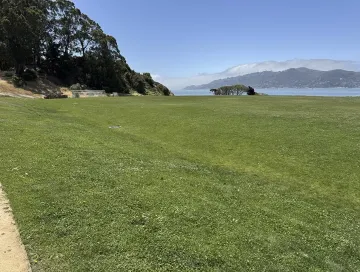
Its replacement? Sustainable, pesticide-free, drought-tolerant natural grass fields. McKegney Green in Tiburon, CA, offers a successful example. This three-acre sand-capped field, managed without synthetic chemicals and maintained at low cost, supports year-round sports while promoting biodiversity, soil health, and community use.
A recent event we hosted highlighted practical methods for sustainable grass field installation and care, drawing officials from multiple Bay Area cities and counties. Other models, such as Ragle Ranch Field #1 in Sebastopol, further demonstrate that communities can implement custom, low-impact alternatives to plastic turf. Sustainable sports fields aren’t just feasible, they’re an opportunity to align public health, fiscal responsibility, and environmental resilience.
Join the SCLP Plastic Pollution Prevention Committee as we educate ourselves and others on how to replace unnecessary plastic products with non-plastic sustainable alternatives.