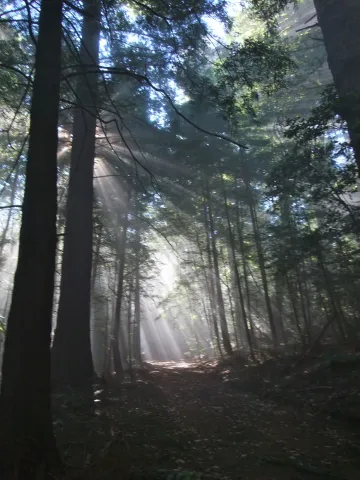
Forests are often called the lungs of the earth. They breathe in carbon dioxide and breathe out oxygen. In doing so, they sequester carbon keeping it safely out of the atmosphere, help regulate worldwide climate and enable the existence of other life forms, including ourselves. Forests also filter water, create precipitation, support soil health and stability, provide habitat and promote biodiversity. They provide raw materials for wood products, and abundant recreation opportunities. They inspire with their beauty and grandeur and have immense cultural significance to many Native American tribes.
Egregious forest management and logging practices are devastating intact forestlands worldwide. These practices are contributing to climate change, degraded water supplies and soil, a decrease in biodiversity, and an increase in frequency and severity of wildfires. Let's do something about it!
Contact the Forest Protection Committee
Defend the Roadless Rule!
Submit a public comment in defense of the Roadless Rule! Sign Sierra Club’s letter and add your own personal comment here.
To learn more, click here!
Oppose the Fix Our Forests Act!
In 2025, shortly after the reins of power shifted to Donald Trump and the Republican Party, the Fix Our Forests Act (FOFA) passed the U.S. House of Representatives and was later advanced by the Senate Agriculture Committee. The bill will likely be up for a Senate floor vote this year. The Sierra Club, along with countless other environmental groups oppose the bill.
If passed, FOFA could open millions of acres of federal public forestland to virtually unchecked logging. This will degrade watersheds, deplete biodiversity, destroy habitat, exacerbate climate instability, and in many instances, increase wildfire risks.
To learn more, click here!
Call Senator Adam Schiff at (202) 224-3121 and ask him to continue his stated opposition to the bill, or click here to tell the Senate to vote NO on this misdirected bill. Senator Padilla is a co-sponsor of the bill.
Who We Are
The Sierra Club Loma Prieta Chapter Forest Protection Committee (LPFPC) believes that our forests need protection more than ever. Our team monitors forest management projects and timber harvest plans within the range of the Chapter and provides comments and recommendations to help ensure these projects are performed in an environmentally responsible manner. We attend local FireSafe meetings, meet with our local, state and federal legislators, and educate the public about important forest and wildfire safety issues through letters to the editor, opinion pieces and promotion of StopClearcuttingCA’s Forest Protection Forum.
Our deep love for forests and an appreciation of their importance to the well-being of the planet motivates us to take action to protect them. We strive to educate ourselves, other chapter members, the public, and local politicians about the environmental value of forests and the issues that threaten them. Relying on the best available science to inform our views, we promote healthier forest management practices.
If you love forests and are an activist or want to be, join us! The Loma Prieta Forest Protection Committee hosts educational events and takes action to help protect forests in the Santa Cruz Mountains and throughout California. The committee also promotes home hardening and community planning to help communities be safer from fire. To learn more, click here!
Our virtual Zoom meetings take place
on the 4th Thursday of the month from 4pm to 6pm
Loma Prieta Calendar
To contact the Forest Protection committee, fill out the form at the bottom of this page!
Our Mission
To preserve and protect the forests of California in order to mitigate climate change, protect ecosystems, promote biodiversity, and safeguard existing recreational opportunities. Forests sequester and store carbon, and they support biodiverse native habitats and species, clean water resources, as well as soil health and stability.
Our tools include education, advocacy, and political action.
| 2026 Strategies
Learn more about the 2026 committee strategies! |

| What We've Done, What We DoFor many years, we've engaged with public officials, prepared summaries of talking points about important forest protection issues. Learn more about the Forest Committee work!
|
Forest Protection Forum
Adam Bronstein and Jennifer Mamola
Introducing the New Direction for Public Lands
June 22, 2026, 4:00 pm (PST)
Register here to join!
Public lands, watersheds, and wildlife are currently under attack—and have been for decades—due to ineffectual laws, legal loopholes, and agency mismanagement. Industry controls the levers of power and has an iron grip on Congress. It’s time to reimagine a future where public lands are managed for their ecological integrity and public benefit, not private industry exploitation. The New Direction for Public Lands is a shared vision for protecting, rewilding, and reimagining our nation’s public lands through federal legislative solutions. Our collection of impactful policies points the way towards the future we envision for public lands and wildlife. Our movement of advocates, scientists, recreationists, and concerned citizens is united to end the exploitation of these lands and ensure they serve the public good. Inspired by the generations before us who rose to safeguard America’s natural heritage, we call for a new era of responsible stewardship and conservation that reflects the values of everyday Americans nationwide.
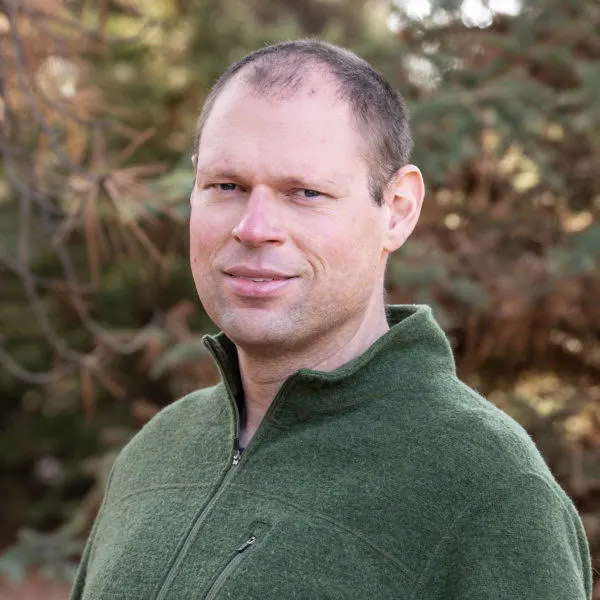
| Adam Bronstein (Western Watersheds Project) grew up exploring the Adirondack Mountains of upstate New York and knew from a young age that he wanted to work to protect wild places. He received a BS from SUNY College of Environmental Science & Forestry in Environmental Studies and Geographic Information Technologies. Adam first joined the WWP staff in 2020. Outside his capacity at WWP, Adam hosts and produces the Our Public Lands podcast, advocates for Wilderness, and is a dedicated public-lands hunter and angler—always looking for that elusive cow-free habitat. | |
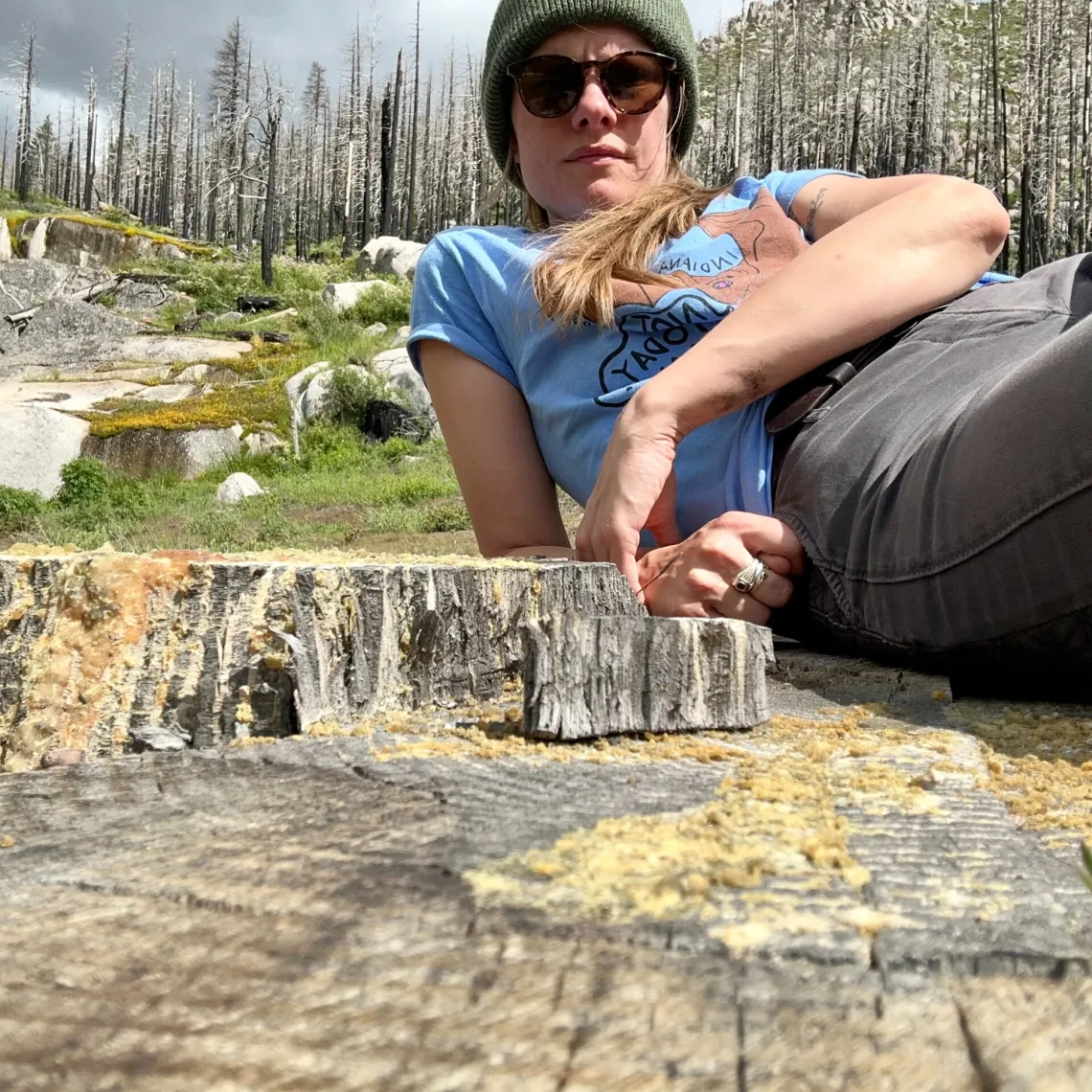
| Jennifer Mamola (The John Muir Project) joined the John Muir Project's Washington, D.C., office in Fall 2019 as its Forest Protection Advocate and now serves as Policy and Advocacy Director, working to defend America's forests at the federal level. Before joining JMP, she spent five years on Capitol Hill advocating for the health, safety, and security of Peace Corps Volunteers. Jenn serves on the boards of Wilderness Watch and Fund for Wild Nature. A Southern California native, Jenn headed north to St. Mary's in the Bay Area for college, where she put down roots for nearly a decade before her Peace Corps assignment. When a life-altering auto accident cut her service short, she turned to the outdoors to heal, and never really left. That chapter sparked a passion for wild places that has since taken her through all 48 contiguous states and more than half of America's National Parks. She's happiest somewhere without cell service. |
Recordings of past Forest Protection Forums on the Forest Protection Forums YouTube channel.
Allies and Partners
Here are some of our allies and partners: |
|