
Sudden Oak Death (SOD) is a tree disease caused by the invasive, fungus-like pathogen Phytophthora ramorum, which was first described in the mid-1990s. SOD primarily affects specific species, and especially the coast live oak (Quercus agrifolia), canyon live oak (Quercus chrysolepis), California black oak (Quercus kelloggii), Shreve’s oak (Quercus parvula shrevei), and a related species known as tanoak (Notholithocarpus densiflorus). It has had devastating impacts in the coastal area within the Sierra Club Loma Prieta Chapter, as well as other coastal areas throughout Northern California and Southern Oregon.
Phytophthora ramorum is a water mold (oomycete) that thrives in cool, wet climates of California’s coastal evergreen forests and the tanoak/redwood forests found within the fog belt. The organism was unintentionally introduced and sold by nurseries as ornamentals for landscaping. Attempts to quarantine it have resulted in restrictions on the shipment of nursery stock and other host plant materials in over 60 countries.

Research indicates that the coexistence of vulnerable oaks in landscapes that also contain California bay laurel (Umbellularia californica) is the strongest predictor of P. ramorum occurrence, as laurels serve as a foliar host for the mold. Bay laurel infection doesn’t kill the trees, but instead, they serve as a breeding ground for the inoculum. This inoculum can be dispersed through wind-driven rain, water, plant material, or human activities. Other foliar hosts include rhododendron, camellias, poison oak, Japanese larch, and coastal redwoods. Tanoaks, which suffer from high mortality rates after infection with P. ramosum, can also serve as a breeding ground and play a significant role in the spread of Phytophthora ramorum..
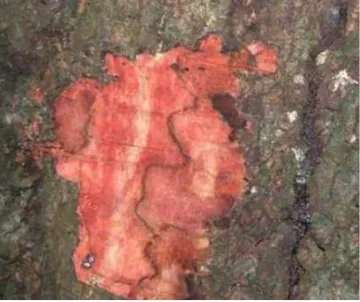
When spread to the bark of nearby oak trees, bleeding trunk cankers develop, which disrupts the trees' ability to absorb water and transport sugars. This leads to the rapid browning of leaves over a period of 2 to 4 weeks, occurring without a noticeable extended decline, which is why the disease is called "sudden oak death." Another name used is "Ramorum canker and blight”
Since 1994, more than one million trees have died from SOD in California. Santa Clara and San Mateo are two of 15 counties in California where the disease is widespread, having been first detected in the Long Ridge Open Space Preserve in La Honda in 2000. According to the Midpeninsula Regional Open Space District, it currently poses a serious threat to countless trees in the Santa Cruz Mountains and foothills.e Santa Cruz Mountains and foothills. Additionally, a concerning new variant called NA2, has been found in San Mateo County. This lineage flourishes in drier, warmer conditions. Experts are concerned that as the climate continues to warm, the impacts of the new form could potentially lead to even more tree deaths throughout the state. While there's no cure for SOD, several proactive steps can be taken to prevent its spread. If you have vulnerable oaks on your property, stay informed and up-to-date about SOD outbreaks in your area. Have your trees regularly inspected for early signs of infection, such as bleeding trunk cankers, distinct leaf spots, and canopy dieback. Chemical treatments can play a crucial role in preventing SOD by acting as a barrier against P. ramorum. They are primarily used preventatively on high-value oak trees and to prevent disease progression in early infections. The most effective treatment is the application of Agri-Fos, a phosphonate fungicide that can be injected into a tree or sprayed on the trunk for absorption through the bark. Its use is not without controversy, however. There are concerns that over-implementation will lead to increased tolerance levels over time, toxicity risks, radioactive byproducts, and other unknown environmental and health impacts.
Additional recommendations to protect trees include having samples tested by your county agriculture department or a University of California Extension office. Remove foliar hosts that are less than 30 feet away from vulnerable trees, preferably during drier times of the year. Prune vegetation surrounding vulnerable trees to reduce humidity and improve air circulation around them. Always be careful about moving infected plant material. Clean tools and equipment are used in areas that are infected or potentially infected.
After visiting any areas where P. ramosum infection may be an issue, for example, while hiking, thoroughly clean your shoes and pets as well to remove soil and plant debris that may carry spores. Also, avoid infected wildlands during rainy seasons when the pathogen spreads more easily.
To help efforts to protect oaks in Chapter wildlands, attend webinars and seminars about SOD. Volunteer for the SOD Blitz Project, a citizen science initiative led by UC Berkeley. This program trains volunteers to collect leaf samples from bay laurel and tanoak trees that assist researchers in tracking the spread of the pathogen. Also consider volunteering with local park and environmental programs, or with local conservation groups like the Peninsula Open Space Trust (POST) and the Midpeninsula Regional Open Space District. Opportunities may include habitat restoration, invasive species removal, and monitoring forest health.
While there is currently no cure for SOD, promising research directions are underway. For example, scientists at UC Davis have been studying how the pathogen sporulates on different plant hosts. Their result may help land managers target high-risk areas more effectively. Research in California forests indicates that thinning vegetation around oak woodlands and removing infected host plants can help reduce the spread of disease while also enhancing forest resiliency. Despite the dire prognosis for oaks susceptible to sudden death, there is reason for hope.
Resources:
What is Sudden Oak Death? - Sudden Oak Death
Sudden Oak Death | Midpeninsula Regional Open Space District
A new form of sudden oak death takes root in San Mateo County - The Almanac
Forest Protection Forums | Stop Clearcutting CA | Dr. Matteo Gabrelotto