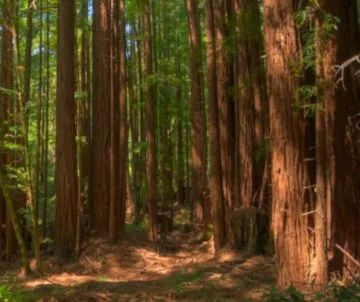
Pescadero Creek County Park is a 5,943-acre park located in the Pescadero Creek Watershed near the town of Loma Mar, CA. The characteristics of the park are largely shaped by a history of extensive logging, especially during the mid-20th century, when much of its land was actively harvested for, primarily, redwood and Douglas fir. By the time San Mateo County purchased land for the park from the now-defunct Santa Cruz Lumber Company in the 1970s, most of the property had already been logged over. Today, the redwoods in the park are overwhelmingly second-growth, a testament to its logging past.
In addition to logging-related degradation, Pescadero Creek Park has faced other ecological challenges. These include extended periods of drought, overly aggressive land development, misguided wildfire management practices, diseases, and the impacts of climate change. Consequently, the park’s ecosystems’ health and resilience have diminished. The forest areas have become excessively dense, and invasive plant species have outcompeted and replaced beneficial native species.
In response to the 2020 CZU Lightning Complex Fire, which burned over 2,800 acres of the park, the Pescadero Creek Climate & Habitat Resiliency Plan was developed. The plan “focuses on nurturing Pescadero Creek Park’s native species, habitats, and ecosystems to cultivate a forest that is more resilient to climate change and landscape events, such as disease and fire.”
The plan aims to treat 541 acres of State Responsibility Area (SRA) by reducing tree density from 300 to 100-150 trees per acre through selective removal. It also focuses on thinning overgrown vegetation, removing unsafe dead trees, and creating fuel breaks near trails and roads to assist firefighting. Additional goals include reducing fire fuel levels, enhancing forest resilience against wildfires, protecting sensitive resources, and maintaining park infrastructure.
The Pescadero Creek County Park Climate & Habitat Resiliency Plan received positive feedback after its release for its proactive approach to climate resilience and its efforts to address the aftermath of the devastating 2020 fire. However, it also faced opposition, primarily due to concerns about ecological disruption, transparency, and long-term effectiveness.
The ecological aspects of the plan faced significant scrutiny, particularly regarding its proposed thinning practices and tree removal. Environmental advocates expressed concerns that reducing forest density could harm habitats for native wildlife and disrupt the ecosystem's balance. They also pointed out that removing trees would lead to a substantial loss of carbon, which helps mitigate climate change. Additionally, selling any removed trees to offset project costs could create potential conflicts of interest. Instead, these advocates suggested retaining logged trees as wildlife habitats, chipping them for mulch, or repurposing them for benches, bridges, and similar uses. Additional concerns were expressed about the use of herbicides and pesticides.
The goal of achieving old-growth conditions was deemed unrealistic given past logging and fire damage, with critics arguing that artificial interventions can't replicate the true complexity of old-growth forests. The fire management strategy, including fuel-reduction treatments such as mechanical thinning and prescribed burns, also sparked concern that these methods could lead to erosion or fail to prevent wildfires. Additionally, the lack of detailed monitoring plans raised doubts about assessing success and implementing adaptive management. Critics were also sceptical about the plan's long-term viability, as dependence on external funding from CalFire could jeopardize restoration efforts. Some advocated for a cautious, site-specific restoration approach to prevent the spread of invasive species and protect the ecosystem.
The differing opinions on the plan were mainly communicated during a virtual meeting and a guided hike, both held in 2022 and open to anyone interested. However, since the virtual meeting attracted only nine attendees and the guided hike drew only sixteen, there were additional questions about whether the plan truly reflected broad community input and received widespread support. Concerned residents requested a more inclusive approach to shaping the future of their park.
Amid the clamor of voices, one thing became apparent: community members were deeply invested in the future of Pescadero Creek County Park. The debate highlighted the complexities of balancing ecological restoration, community engagement, and long-term sustainability. As stakeholders navigated this delicate terrain, the plan's outcome would not only shape the landscape but also define the relationship between the park and the people who cherish it.
To address public concerns, comply with the environmental review requirements established by the San Mateo County Parks Commission, and adhere to the California Environmental Quality Act (CEQA), revisions to the plan were made. Despite ongoing concerns regarding the extent of these modifications, the plan was formally adopted by the San Mateo County Supervisors in July 2025.
This past August, members of the Loma Prieta Forest Protection Committee joined Hannah Ormshaw, Assistant Parks Director, San Mateo County Parks, and Steve Auten, registered Professional Forester, and founder of Auten Resource Consulting, on a private guided informational hike in Pescadero Creek. The purpose of the hike was to gain a better understanding of the finalized Climate & Habitat Resiliency Plan and to see the actual areas to be treated.
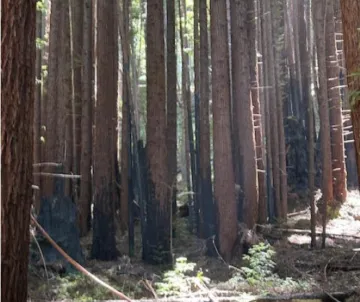
To Forest Protection Committee participants, it was immediately apparent that the organizers and leaders of the hike are dedicated to being responsible stewards of the land and are genuinely committed to seeing the vision of a truly healthy forest ecosystem in Pescadero Creek come to fruition. They truly believe the goals will be achieved through careful, adaptive management strategies and that a landscape will be created that is resilient to large-scale disturbances, such as wildfires and climate change.
After a detailed overview and discussion about the plan's rationale, Forest Protection Committee participants learned the specific criteria for selecting trees to retain or remove to reduce competition and promote growth. The discussion also provided insights into the thinning methods.
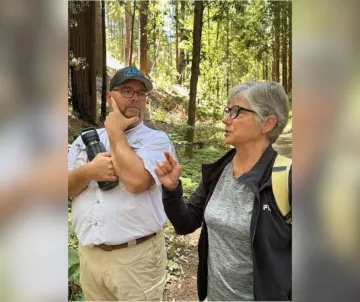
The subjects debated were the fate of the removed wood and the size of trees designated for removal, which could reach up to 32 inches in diameter — quite substantial. Also, a conversation took place on the importance of monitoring sequestered carbon as the plan progresses, with a goal of increasing it.
While not dispelling concerns about potential unintended consequences, the information presented to the Forest Protection Committee provided a better understanding of the depth and scope of the treatments outlined in the plan and an appreciation of its goals.
The hike proved memorable for the park's beauty, the joy of spending time in nature, the valuable insights gained by participants, the opportunity to exchange ideas and opinions, and the shared passion for forests and healthy forest ecosystems.