The risk of severe and destructive wildfires is increasingly real for many, if not most, Californians. In recent newsletters, we have detailed the specifics of home hardening and creating defensible space to reduce the risk of property loss from wildfires. In this edition, we will focus on community preparedness and explore additional ways individuals can enhance their chances of escaping the dangers of an uncontrolled wildfire.
Although preparing for these emergencies can be challenging, effective community preparedness is essential. This preparation requires collaboration among local government officials, residents, and emergency agencies. Additionally, state officials and legislators must ensure that resources are available to enable successful coordination and implementation.

The responsibilities of local governments and emergency response agencies for various preparedness and safety initiatives include developing and regularly updating evacuation plans, conducting frequent training sessions for the Emergency Operations Center (EOC), implementing community outreach programs, such as Public Safety and Preparedness Fairs, and providing fire season outlooks through multiple communication channels, including mailers, social media, and advertisements.
Additionally, local governments should conduct home wildfire assessments, assist neighborhoods in achieving Firewise Community status, and coordinate planning with County Fire and Sheriff's Departments.
Regularly clearing flammable brush from city-owned properties is also a crucial function, as are preparing for Public Safety Power Shutoffs (PSPS) and potential communication outages, and working on developing efficient emergency alert systems.

Community members share the responsibility with local governments for ensuring personal safety and property protection in a wildfire. Residents should develop emergency and evacuation plans and review and update these plans regularly. This ensures a prompt and safe evacuation during uncontrolled, wind-driven fires.
Staying informed is also key. Ways to do so include monitoring news and weather forecasts for fire conditions, and using platforms like Watch Duty and Genasys Protect to receive alerts and updates via their websites and mobile apps.
Emergency supplies should be prepared in advance and stored in accessible locations.
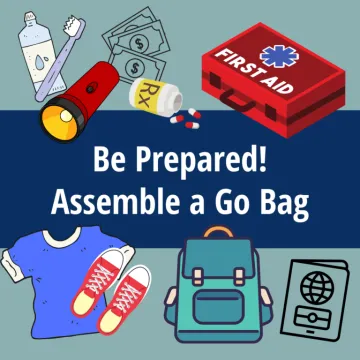
Understanding evacuation zones is also essential. Maps are available on Genasys Protect, and residents should familiarize themselves with the layout, identify their location, plan safe routes, and stay informed about local fire conditions and evacuation orders. Regular evacuation drills help ensure readiness, as does maintaining communication with emergency services. Following instructions from local authorities during emergencies can save lives and support community resilience.
Communication between neighbors—especially elderly or disabled individuals—facilitates safe evacuation for all.

A valuable resource for evacuation planning is the Essential Guide for Wildfire Evacuation Safety by CAL FIRE.
To stay prepared for Public Safety Power Shutoff (PSPS) power outages, residents should utilize their county emergency alert systems. In San Mateo County, the SMC Alert System provides official notifications via text, email, and voice messages about outages, evacuations, and other emergencies. San Benito County residents can register for Nixle Alerts through the Sheriff’s Office and Office of Emergency Services, which also shares updates through social media and email during storms or emergencies. In Santa Clara County, AlertSCC offers warnings about outages, wildfires, and other critical events. At the same time, residents of the City of Santa Clara can find outage updates through Silicon Valley Power’s “Current Outages” page.
Additionally, Pacific Gas and Electric (PG&E) offers real-time outage maps, status updates by address, and information about their power outage strategies through their Community Resource Centers.
As discussed in prior blog articles this year, actions such as home hardening to render homes less flammable and routine brush clearance to create defensible space not only protect property but also assist firefighters in protecting people, as they reduce the overall burden on their vital services. Taking advantage of wildfire assessments can help guide these efforts.
To further protect constituents from the hazards of destructive wildfires, the involvement of state and county government officials and legislators is necessary to provide resources for individual communities, create resources for property owners to afford costly retrofits, and provide education on all of the various aspects of wildfire preparedness.
Preparing for wildfires and other natural disasters takes time, money, and coordination. However, in areas prone to wildfires, preparation is essential, and shared responsibility is key to saving lives and protecting property.