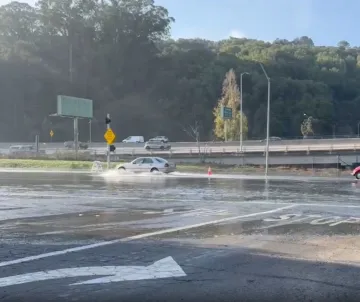
This winter, unusually high tides are giving Bay Area residents a glimpse of what rising seas could mean for our shorelines. As king tides combine with elevated ocean levels associated with El Niño and Kelvin waves, we're seeing just how vulnerable some of our communities already are to flooding.
But the most important lesson isn't simply how high the water gets this winter. It's that today's exceptional high tides offer a preview of tomorrow's ordinary conditions, while some of the greatest threats from sea level rise remain hidden from view.
Understanding both the visible and invisible threats is essential to making good decisions about how we protect our communities and the Bay's precious ecosystems.
Today's King Tides Will Become Tomorrow's Everyday High Tides
King tides typically reach roughly one to two feet higher than ordinary high tides. As permanent sea level rise advances, water levels that are exceptional today will become increasingly common.
Consider a simple example. If a king tide today reaches one foot above the usual high-tide baseline, then one foot of permanent sea level rise will bring ordinary high tides to approximately that same elevation on a nearly daily basis.
That change has profound implications.
A trail or roadway that floods for a few hours during today's king tides could eventually flood regularly, remain inundated longer, or become permanently submerged. Drainage systems will have fewer opportunities to empty, increasing the potential for flooding when heavy rains arrive.
And king tides won't disappear. They'll continue to occur on top of the new, permanently higher baseline, pushing water even farther inland. Storm surge and heavy rainfall will compound those higher water levels.
Today's extreme conditions are a preview of future routine conditions, while tomorrow's extremes will reach even higher.
Hidden Threats: What King Tides Don't Show Us
King tides make an otherwise gradual threat visible. They show us where water can overtop shorelines, overwhelm drainage systems, inundate trails and roads, and threaten homes and businesses.
But some of the most consequential impacts of sea level rise aren't readily visible when we observe a king tide.
Flooding from below. As Bay waters rise, they can also push groundwater levels higher, even inland of levees and floodwalls. Rising groundwater can damage foundations and underground infrastructure, reduce the ability of soils to absorb stormwater, and eventually emerge at the surface, causing flooding from below.
In areas with contaminated soils, landfills, or buried industrial waste, groundwater rise can also mobilize pollutants and create new exposure risks. These are especially troubling threats for communities already burdened by pollution. Simply building higher levees or seawalls won't solve these problems. Learn more about rising groundwater, contamination, and environmental justice.
Disappearing habitats and natural flood protection. The Bay's tidal marshes, mudflats, and other shoreline ecosystems provide essential wildlife habitat and help protect our communities from flooding. As seas rise, these habitats need space to grow and migrate inland. Without it, they can become trapped between rising water and developed shorelines, threatening both biodiversity and the natural protection these ecosystems provide.
Unequal impacts. A snapshot of high water also doesn't reveal who will bear the greatest burden. Low-income communities and communities already coping with pollution, inadequate infrastructure, and limited resources for recovery may face disproportionate risks as flooding becomes more frequent and severe.
These less visible threats illustrate why protecting our shorelines requires a much broader approach than simply keeping Bay water out.
Planning for a Bay That Can Adapt
The growing threats to our communities and the natural systems that sustain and protect them are why Sierra Club's Bay Alive Campaign is working to shape how communities across the Bay Area prepare for rising seas.
Responding effectively requires more than flood barriers or isolated local projects. Sea level rise doesn't stop at city boundaries, and efforts to protect one area can affect neighboring communities and ecosystems. We need coordinated, science-based planning across the region, grounded in an understanding of how rising waters, groundwater, development, infrastructure, and natural systems interact over time.
That's the approach behind the Bay Conservation and Development Commission's Regional Shoreline Adaptation Plan (RSAP), which establishes standards for local sea level rise planning. Bay Alive and our partners helped shape those standards. Now we're organizing local volunteer teams to help ensure communities put them into practice.
We're advocating for plans that:
- Work with nature, protecting and expanding wetlands and incorporating natural and nature-based flood protection solutions.
- Address the full range of risks, including groundwater rise, contamination, stormwater flooding, and disproportionate impacts on vulnerable communities.
- Preserve future options, avoiding development and rigid shoreline infrastructure that could foreclose better adaptation strategies.
- Adapt over time, with clear pathways for responding as sea levels rise and conditions change.
These principles matter because decisions made today can make future adaptation more effective and affordable, or more difficult, expensive, and in some cases impossible.
Where we build, how we protect existing development, and whether we preserve space for wetlands to migrate and nature-based flood protection will determine the options available to future generations.
We can't prevent every high tide or storm. But we can influence how vulnerable our communities will be when they arrive.
See the Future. Help Shape It.
This winter's king tides offer a powerful opportunity to see the challenges ahead. Visit a familiar stretch of shoreline at high tide and notice how close the water comes to the places we live, work, and enjoy. For local viewing times along the Peninsula and South Bay, see our companion guide, King Tides Are Coming: When and Where to Watch Along the Peninsula and South Bay.
But don't stop at observing the changes. Help shape how your community responds.
Join a Bay Alive local team to help educate and engage your community and advocate for shoreline adaptation plans that protect people, wildlife, and the Bay's natural systems.
Together, we can protect the Bay we love while building a safer, healthier, and more resilient shoreline for generations to come.