Maryland's energy efficiency program, EmPOWER Maryland, helps us reduce energy use, save money and limit our climate impact. The Strategic Energy Investment Fund (SEIF) helps support clean energy and efficiency. Right now both of these programs are under attack and we need your help.
Ask your legislators to take action now
Maryland has adopted some of the most ambitious clean energy and climate resiliency goals in the country. Upgrading Maryland homes with clean energy efficient appliances will not only help us meet these goals, it will also help clean up our air and can deliver up to $1,000 in annual energy cost savings for Maryland ratepayers.
The Strategic Energy Investment Fund (SEIF) plays a critical role in making Maryland’s energy cleaner, more reliable and more affordable.
But now that progress is at risk.
This year, nearly $400 million in energy efficiency and clean energy funding from the SEIF may be diverted for other purposes.
It’s time to stand up for our families and our future by investing energy efficiency and clean energy.
An investment in greater energy efficiency and clean energy provides a lifetime of savings. Protect the SEIF. Invest in Maryland.
[UPDATE] On March 20, 2026, the House Appropriations Committee unveiled a proposed $73 million investment to create a rebate program for energy efficient heat pumps, to help families reduce energy, save on utility bills, and improve air quality in their homes. The proposal is included in the House budget, which now moves to the floor. This allocation was not part of the Senate budget package approved earlier this week. To become law the proposal must stay intact as the House and Senate negotiate differences. We will continue to advocate for this proposal to become law.
Maryland's energy efficiency program, EmPOWER Maryland, has helped saved ratepayers money, reduced pollution, and helped protect the environment.
The EmPOWER Maryland Energy Efficiency Act of 2008 created the EmPOWER program to incentivize energy efficiency and conservation efforts. EmPOWER Maryland has created lifetime savings of over $14 billion from an investment of $3.5 billion in energy efficiency. Now this critical program is at risk.
On Friday March 13th, 2026, Maryland leaders announced an energy package named the Utility Relief Act - HB1532, which, includes profound proposed changes to EmPOWER Maryland that would effectively eliminate most of the program for the next three years.
Cutting energy efficiency programs will increase our energy use, sending more profits into the pockets of our corporate utilities. Let’s really help Marylanders in the short and long term. Ask Maryland lawmakers to protect EmPOWER right now.
[UPDATE] The legislation was amended on March 17th, 2026 to limit the size of the cut to EmPOWER, but still includes significant changes to the program.
What is the Strategic Energy Investment Fund?
For nearly two decades, Maryland’s Strategic Energy Investment Fund (SEIF) has delivered savings for families and businesses, making energy more affordable while powering the expansion of clean energy.
The SEIF has funded programs including:
- local government clean energy projects
- programs to decarbonize public schools
- commercial and community solar programs
- energy efficiency measures for low to moderate income Marylanders

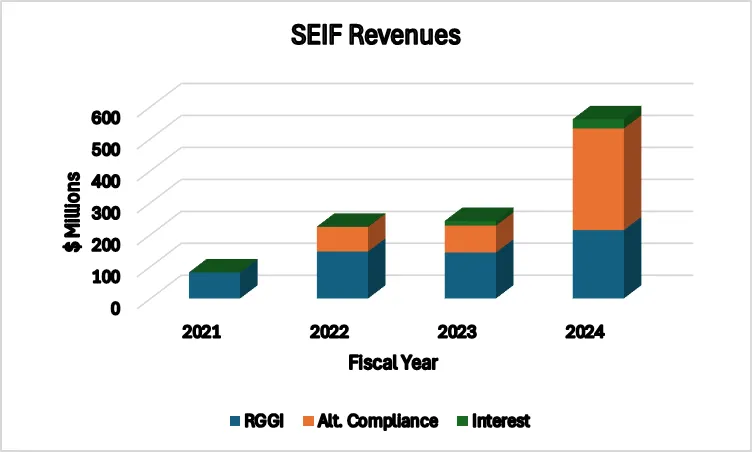
SEIF funding creates jobs, builds grid resilience, and expands clean energy through investments in residential and community solar, energy efficiency, school decarbonization, and much more. This critical work protects human health and supports households and communities across the state. Since SEIF is primarily funded by the Regional Greenhouse Gas Initiative (RGGI) and alternative compliance payments from utilities, Maryland can make these smart investments without drawing on taxpayer dollars.
The SEIF has been growing rapidly and it should be used to invest in and improve energy affordability, healthy air, and achieving our climate goals.
How Maryland households lose out when SEIF gets used for other purposes
Last year, there were $2 billion in cuts across state agencies and funds. The SEIF faced the largest cuts. $295 million from the SEIF was sent to the General Fund (including accumulated interest) to help fill the budget gap, and another $200 million was distributed to ratepayers as two $40 rebates.
This year the Governor's budget is proposing to divert nearly $400 million dollars from the SEIF for the general fund and one-time $40 dollar energy rebates for ratepayers. Instead of one-time bandaid solutions for an ongoing problem we are urging Maryland lawmakers to use the SEIF as intended, and invest in energy efficiency and clean energy for long-term energy cost savings.
How can SEIF funds be used?
SEIF plays a critical role in helping achieve long-term climate resiliency, energy affordability, pollution reduction, and public health benefits for Maryland. There are many ways SEIF can make an impact, for example by:
- Providing grants for community solar projects that provide low-income residents with access to clean, affordable electricity.
- Funding trials of heat pumps to lower bills for low-income families, including: window heat pumps, a Heat Pump First trial, and installing heat pumps and heat pump water heaters to replace electric resistance heat.
- Curtailing air pollution in low-income homes by replacing gas powered stoves with electric induction stoves.
- Delivering cleaner air for our children by funding more electric school buses for Maryland’s public schools.
- Building resilience hubs– community gathering places for people affected by climate emergencies– and providing other energy resilience resources to protect against extreme weather events.
These existing programs are currently supported by SEIF and should continue to be supported at current spending levels:
- Renewable community solar and offshore wind
- Energy efficiency and electrification for homes, businesses and schools
- Help for low-income families to pay their utility bills
- Electric vehicle charging
- Electric school buses
- Planning for school efficiency
At a time when Federal support for clean energy, energy efficiency and protecting our climate have largely disappeared, the SEIF is more important than ever.
Protecting the SEIF for years to come
We need to invest funds that flow to the SEIF in 2026 (through September) and ensure they are being used to invest in our future.
For Fiscal Year 2027, we urge a minimum of $365 million investment from SEIF into climate and energy programs, including:
- Low-income home energy efficiency pilot programs, including heat pumps, window heat pumps, and heat pump hot water heaters - $88 million
- Induction stove pilot program - $5 million
- Electric school buses - $20 million
- Residential, community and canopy solar - $50 million
What would these investments do?
- Lower electricity bills by delivering long-term savings to low-income families.
- Drive market transformation by building the pathway toward affordable, low-carbon, high-efficiency heating through several pilot programs.
- Reduce electricity demand across the state through climate friendly energy efficiency and electrification investments, with rapid paybacks.
- Make homes and neighborhoods healthier by reducing exposure to air pollutants from gas-burning stoves and diesel school buses.
- Increase clean energy generation and help improve Maryland’s air quality.
In addition, we urge lawmakers to support HB1040, which directs the Governor to set minimum funding levels for SEIF priorities in future years. This legislation would:
- Require that at least $365 million of SEIF funding be spent on intended programs
- Continue to require that at least 40% of the SEIF spending go to low-and-moderate income households and overburdened, underserved communities
- Send at least $50 million to the Maryland Clean Energy Center, a green bank, for fostering innovation and project development in clean energy
What you can do
- Ask your legislators to take action and protect the SEIF by sending them a message here.
- Join us at an upcoming rally to protect the SEIF on 02/26 at 11:30 AM. Register here.